REVIEW · NAPLES
Naples : Must-See Attractions Walking Tour
Book on GetYourGuide →Operated by Guydeez Tours · Bookable on GetYourGuide
Naples can feel like a lot at first. This 2-hour private walk is a fast way to get oriented and see the big icons close together, from the Duomo area to Santa Chiara’s calm cloisters. You’ll follow a local guide through the historic center, learning why these places matter and picking up practical pointers for the rest of your day.
I like two things most. First, you cover the must-see core without doing a marathon, which is ideal when your time is limited. Second, you get real city-use advice from your guide, not just dates and names—so you leave knowing what to do next.
The main drawback to consider: this is a general highlights route, so the tour can lean toward an overview rather than super detailed commentary on every single church stop. Guide style can also vary, so it helps to ask questions as you go and steer the conversation toward what you care about most.
In This Review
- Key highlights worth knowing
- A tight Naples hits-you-in-the-right-place plan
- Starting at Piazza Cavour: a practical Naples meeting point
- Naples Cathedral stop: Gothic grandeur without the overwhelm
- Spaccanapoli: the spine street you’ll recognize later
- Via Santa Patrizia and the Church of Saint Patricia
- Piazza del Gesù Nuovo: a square built around one imposing church
- Santa Chiara Monumental Complex: cloisters and calmer pacing
- Guide quality and how to make the 2 hours work for you
- Price and value: why $77 for a private 2-hour walk can make sense
- What this tour is best for (and what it isn’t)
- Quick practical tips before you go
- Should you book this Naples walking tour?
Key highlights worth knowing
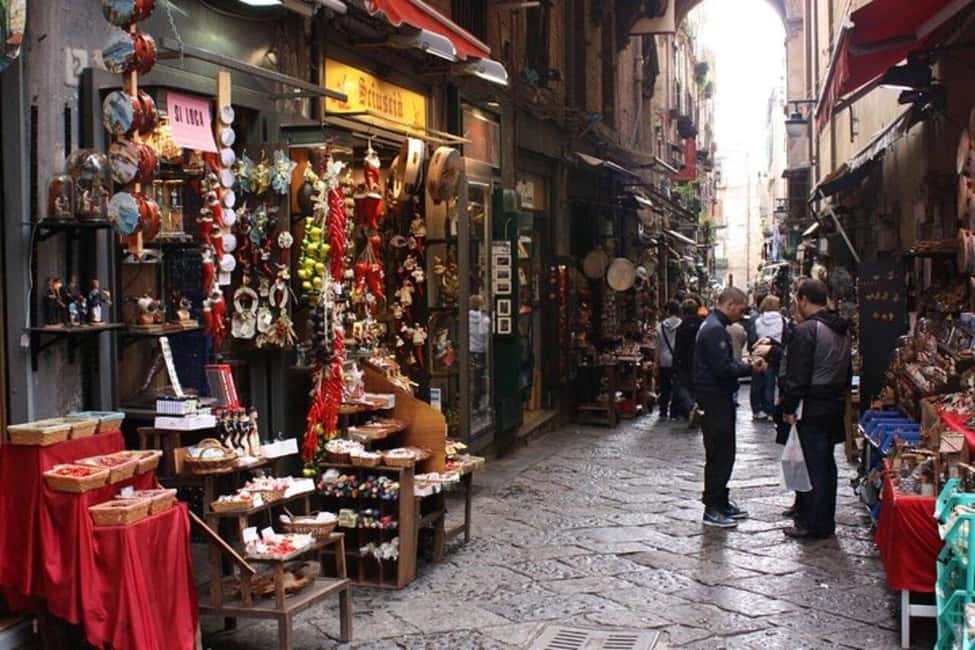
- Private, exclusive group so you won’t be sharing the walk with strangers
- Two-hour sampler of Naples Cathedral, Spaccanapoli, Gesù Nuovo, and Santa Chiara
- Customizable route so you can adjust what gets more time
- Guide helps with ticket booking for any visits that require tickets
- Runs in multiple languages (English, French, Italian, Spanish) and wheelchair accessible
A tight Naples hits-you-in-the-right-place plan

This tour works because it’s built around a simple idea: if it’s your first time in Naples, you don’t need to cover everything. You need to understand the layout and the main “anchors” of the city center. In two hours, you do exactly that—starting near Piazza Cavour and moving through the heart of the historic area.
What you get is a guided tour of landmark after landmark, but with a human explanation behind it. The Cathedral of Naples, Spaccanapoli, Piazza del Gesù Nuovo, and the Santa Chiara complex aren’t just pretty stops. They help you make sense of how Naples is put together: streets, squares, and religious architecture that shape daily life.
If you’re trying to decide between a do-it-yourself day and a guided orientation, this is the sweet spot. It’s structured enough to keep you from wandering in circles, but short enough that you can still keep your afternoon flexible.
You can also read our reviews of more tours and experiences in Naples.

Starting at Piazza Cavour: a practical Naples meeting point

You meet at P.za Cavour, 2 and return to the same place. That sounds minor, but it’s a real convenience in a city where directions can change fast once you’re walking.
The tour includes walking plus public transport as part of the route (unless a selected option changes that). That matters because Naples isn’t just compact in theory—it also has hills, crowds, and moving traffic. Having the plan mix walking with public transport can save your legs and keep you on schedule, especially if your energy level is already under pressure from travel days.
Pace-wise, you should think “steady overview.” It’s not the kind of tour where you linger for a long time in one doorway. The goal is to hit multiple sights with context.
Naples Cathedral stop: Gothic grandeur without the overwhelm
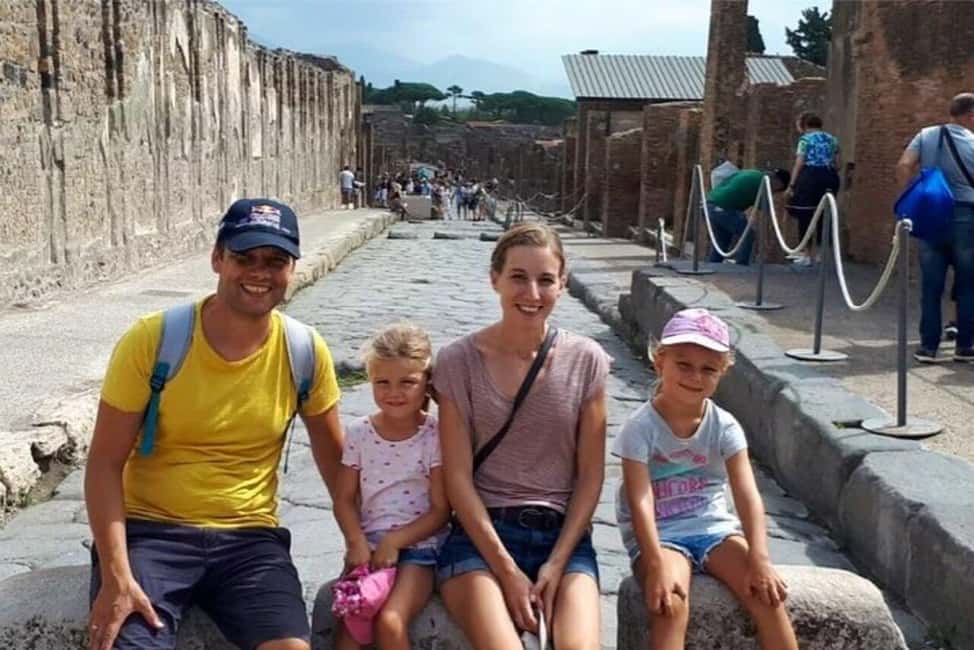
One of the first big wins is the Naples Cathedral (Duomo di Napoli). The tour focuses on its impressive Gothic architecture, which is exactly the kind of first wow-factor that helps you recalibrate your expectations of the city.
At this stop, your guide’s job is to put the building in plain context—what you’re seeing and why it’s worth pausing for. You’ll get a guided look rather than a quick glance. That’s important at a cathedral, because without a narrative you can end up staring at details without understanding what to notice.
The cathedral stop also sets the tone for the rest of the walk. By the time you’re moving toward Spaccanapoli, you’ve already started learning the visual language of the area: stone, faith, and street-level life all in the same frame.
A small consideration: since this tour is only 2 hours, you shouldn’t expect a slow, step-by-step architectural lecture here. If you want deep church-by-church history, you’ll likely want to ask targeted questions right on the spot.
Spaccanapoli: the spine street you’ll recognize later
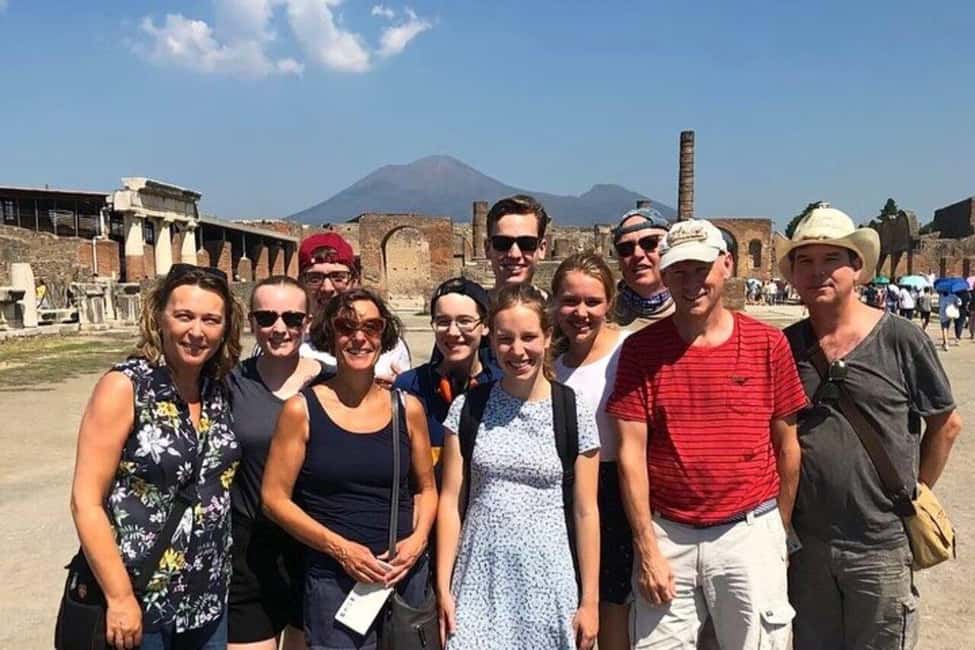
Next comes Spaccanapoli, one of Naples’ main thoroughfares. This is the point where the tour stops being only about buildings and becomes about how the city moves.
Your guide helps you see Spaccanapoli through local eyes: what the street connects, how it feels on foot, and how it functions as a central artery in the historic center. It’s the kind of route that becomes a reference point later—once you know it, future directions make more sense.
What I like about including Spaccanapoli in a highlights walk is that it’s not passive sightseeing. You’re actually walking a key street. That makes the information stick. Even if you don’t capture every detail in photos, you’ll remember the route shape.
Also, this stretch is where your guide’s personal style shows. Some guides lean more toward big-picture city history; others talk more about specific architectural moments. For example, one guide named Ilenia was praised for friendliness and covering overall history and Spaccanapoli well, even if individual church stops weren’t as detailed for that group.
Via Santa Patrizia and the Church of Saint Patricia
The itinerary then moves to Via Santa Patrizia and the Church of Saint Patricia. The tour highlights the church’s facade and intricate details, which is a good match for a short walking tour: you get a focused, visually strong stop without needing hours.
This is also where your guide’s commentary can make or break the experience. If your guide explains what to look for—texture, facade elements, and the logic of placement in the area—you’ll get a lot more out of the minute-to-minute walking than you would on your own.
If you’re the type who enjoys asking questions, this is a great moment to do it. You can ask, for instance, what makes this facade different from the cathedral area, or what role this church plays in the neighborhood feel. Since the tour is private and customizable, you’re not stuck with a fixed script.
One more thing to keep in mind: in the reviews, at least one group noted the guide was less specific about individual churches. So if church architecture details matter to you, ask directly for extra specifics during this segment.

Piazza del Gesù Nuovo: a square built around one imposing church
Then you arrive at Piazza del Gesù Nuovo, where the imposing church dominates the square. This stop works as a visual reset. Streets and facades are interesting, but squares help you understand the city’s social rhythm—where people gather, slow down, and orient themselves.
Your guide guides you through what you’re looking at and how the square’s presence shapes the surrounding area. You’ll also get context about Naples’ history and culture while you’re standing right where that history feels physical.
This stop tends to be a favorite type for many people because it’s photogenic in a practical way. You can take photos without getting lost, and you can usually see the main subject quickly. That makes it a good anchor when you’re trying to manage time and energy.
Santa Chiara Monumental Complex: cloisters and calmer pacing
The final major sightseeing stop is the Santa Chiara Monumental Complex, including the cloister area. The tour emphasizes the elegant cloister and stunning architecture, which gives you a tonal shift from the busier street segments.
This is where the route usually feels more “break time” even while you’re still on a schedule. A cloister creates a different kind of atmosphere—more pause, more looking upward, more time to notice stonework and layout. It’s a nice contrast that prevents the tour from feeling like a checklist.
Your guide’s story here is key: understanding what you’re seeing helps you slow down just enough to enjoy the architecture instead of rushing through photos.
Guide quality and how to make the 2 hours work for you
Because the group is private, your guide matters a lot. The tour runs with live guides in several languages—English, French, Italian, and Spanish—so language comfort is usually manageable.
From the feedback you should pay attention to the pattern: guides can be excellent on the big picture and personable on the streets, while giving less granular detail on every church.
Names you may hear include Ilenia, praised for friendliness and covering overall Naples history and Spaccanapoli, and Genaro, described as phenomenal, plus Grecia, praised for French and the different neighborhood perspective. Those details suggest the guide can influence how citywide the storytelling feels versus how much time each individual sight gets.
How you can control that (yes, you can): during the walk, ask at least two questions. Examples you can use immediately:
- Which stop should I prioritize if I only have time for one more visit later?
- What area should I walk next that’s not the standard route?
The tour’s promise includes lots of valuable advice beyond the landmarks, and you’ll get more of that if you actively prompt it.
Price and value: why $77 for a private 2-hour walk can make sense
At $77 per person for a 2-hour private tour, you’re paying for three things: time, access to a guide who handles the flow, and a route that hits multiple anchors without you stitching it together yourself.
Is it cheap? No. But for Naples, private guiding can be good value if:
- You want an orientation quickly before you start exploring on your own.
- You don’t want to waste time figuring out what connects where.
- You like the idea of getting recommendations for other things to do that fit your interests.
Also note what’s included: the tour includes walking and public transport (depending on your option), and there’s support from the team to book tickets for desired visits. That ticket-booking help can save time, especially when you’re balancing multiple places.
What’s not included is simple: food and drinks. Keep that in mind if you plan to eat after the tour—you’ll be hungry when you’re done, because the walk is doing its job.
What this tour is best for (and what it isn’t)
This is a strong fit if you’re:
- On a short Naples visit and want the core sights in a compact route
- Traveling with someone who prefers guidance and context over solo wandering
- Someone who wants a local perspective and practical suggestions for the rest of the day
It may not be your best choice if you’re:
- Looking for long, deep architectural analysis of each church
- Hoping for lots of free time in one place (this is designed to cover several stops)
- Sensitive to day-of operational issues, since like any small travel service, rare hiccups can happen
Quick practical tips before you go
A few things to set yourself up for an easy walk:
- Wear shoes with grip. Naples center streets can be uneven, and you’ll be on your feet for the better part of the two hours.
- Bring a small question list. Think about what you care about: churches, street life, or just getting your bearings.
- If you want to go inside any ticketed spots, remember the tour team can help with ticket booking, but ticket entry itself may be separate—so plan for that possibility.
- Keep water and snacks in mind. Food and drinks aren’t included, and the walk ends with you back at Piazza Cavour, ready to continue your day.
Should you book this Naples walking tour?
If you want a guided, private way to see Naples’ most recognizable historic-center landmarks in just 2 hours, I think this is a smart booking. The stops are well chosen—Cathedral of Naples, Spaccanapoli, Piazza del Gesù Nuovo, and Santa Chiara—and the private format means you can steer questions toward what you actually want.
I would book this especially if you’re the kind of traveler who likes to understand how places connect, then use that knowledge to explore afterward. If your priority is ultra-detailed church architecture at each stop, treat this as an orientation walk and plan to add a deeper visit later.
Bottom line: for a first-time Naples introduction with a guide plus practical city advice, this tour is a solid way to spend your morning or early afternoon.