REVIEW · NAPLES
Naples Historic Center: Traditions, Legends & Folklore Tour
Book on GetYourGuide →Operated by Raphael Tours & Events · Bookable on GetYourGuide
Saintly drama and street legends, on foot. I love how this tour links Saint Gennaro’s blood miracle with street-level Naples culture, and how it adds folklore stops like the skulls connected to the souls of purgatory. The main drawback to keep in mind: this is a walking route through a crowded historic center, so your guide’s style really affects how much you get out of the art and legends.
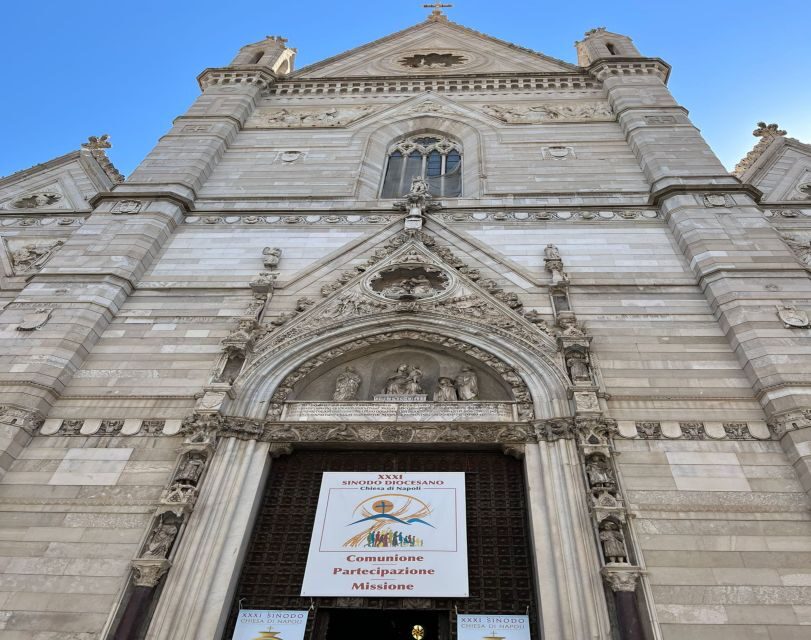
You’ll meet outside the Duomo/Cattedrale di Santa Maria Assunta and spend 2 hours following a classic Naples grid of streets like Via Duomo, Spaccanapoli, and Via dei Tribunali. It’s a small group (max 20), led by a live English-speaking guide, and it ends back at the same meeting point.
Along the way, you’ll handle some very Naples moments, like learning the legend around Saint Gennaro, visiting the Dolls Hospital area, and even being invited to touch the Pulcinella statue for good luck. Just note it’s not suitable for wheelchair users, so plan around uneven sidewalks and frequent stops.
In This Review
- Key highlights you’ll actually notice
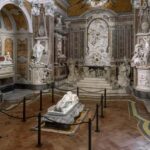
- Starting at the Duomo and the Saint Gennaro miracle
- Via Duomo and Spaccanapoli: when graffiti becomes part of the story
- Dolls Hospital: Naples’ strange, tender tradition
- Saint Gregorio Armeno: nativity artisans and why it matters
- Via dei Tribunali and pizzerias: the food street as a legend corridor
- Santa Maria delle Anime del Purgatorio ad Arco and the skulls of purgatory
- The oldest conservatory in Italy and a possible music moment
- Port’Alba: a 17th-century gate with architecture and myths
- Saint Chiara’s Gothic mood and the story behind Gesù Nuovo
- Price and value: what $51.24 buys you in Naples Historic Center
- Guide quality is the real variable (pick this route with confidence)
- Who should book this tour (and who should skip it)
- FAQ
- Where does the tour start?
- How long is the tour?
- Is the tour guided in English?
- Is food or drinks included?
- Does it include hotel pickup or drop-off?
- How big is the group?
- Is this tour suitable for wheelchair users?
- Should you book this Naples Historic Center tour?
Key highlights you’ll actually notice
- Duomo start with the Saint Gennaro miracle you hear about again and again in Naples life
- Street art by Jorit on Via Duomo mixed into a route that feels like the city has a pulse
- Dolls Hospital + Saint Gregorio Armeno workshops for craft history, not just sightseeing
- Santa Maria delle Anime del Purgatorio ad Arco with the skulls and the legend tied to them
- Port’Alba, the 17th-century gate with mysticism and big architectural presence
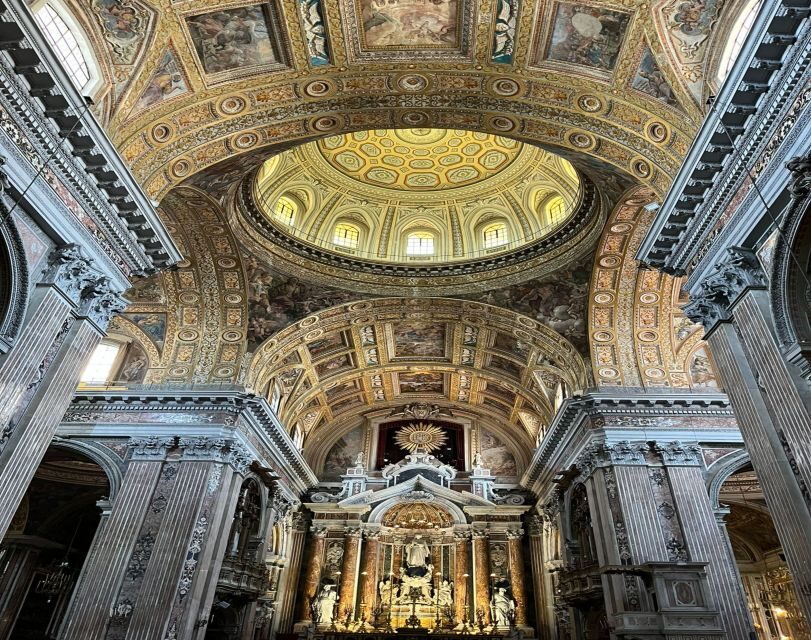
- Saint Chiara + Gesù Nuovo Square for Gothic contrast and a story behind the front wall
Starting at the Duomo and the Saint Gennaro miracle
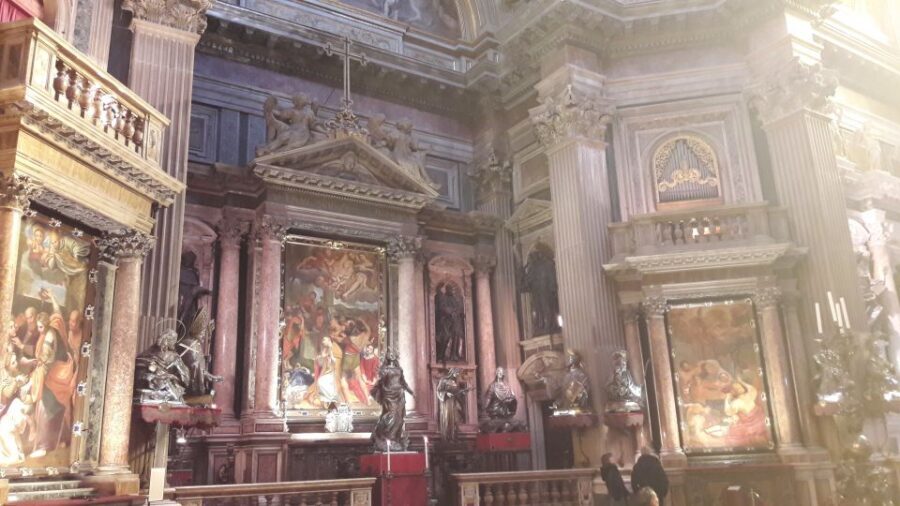
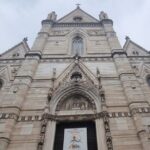
The tour kicks off outside the Duomo/Cattedrale di Santa Maria Assunta, which is exactly where you want to begin in Naples. The Duomo is not just a big church on a map—it’s a starting point for understanding how religion, tradition, and everyday neighborhood life overlap.
Your guide starts the story with the famous miracle of Saint Gennaro’s blood liquefaction. Even if you’ve only heard the basics before, having it explained on-site helps you connect the legend to why Naples people care about it. The Duomo area also sets you up for contrast later: you’ll go from sacred drama to street art, artisans, and then into darker folklore.
One practical thought: the meeting spot is outside, so plan for weather and schedule changes if you’re visiting during busy hours. This tour is short, so arriving on time really helps you get the full arc.
You can also read our reviews of more historical tours in Naples


Via Duomo and Spaccanapoli: when graffiti becomes part of the story
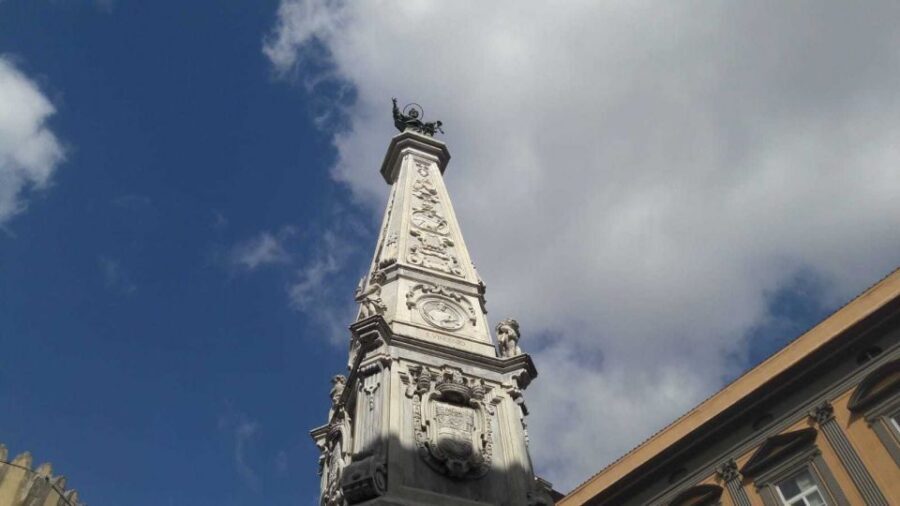
After the Duomo, the route goes along Via Duomo, with a pause to admire the renowned street graffiti by the artist Jorit. This stop matters because it frames Naples as a living city, not a museum. You start to see how modern expression and old legends coexist on the same street walls.
Then you move toward Spaccanapoli, one of the historic center’s main streets. The way the tour uses Spaccanapoli is smart: instead of treating it like a straight line to cover ground, you get brief stops that add meaning to what you’re looking at. That’s how you’ll feel oriented in Naples—fewer random photos, more “oh, that’s why this is here.”
If you’re sensitive to crowds, keep expectations realistic. This route is designed for walking, and Naples center can feel tight. The guide’s pacing will help, but you still need to be comfortable standing and moving in busy streets.
Dolls Hospital: Naples’ strange, tender tradition
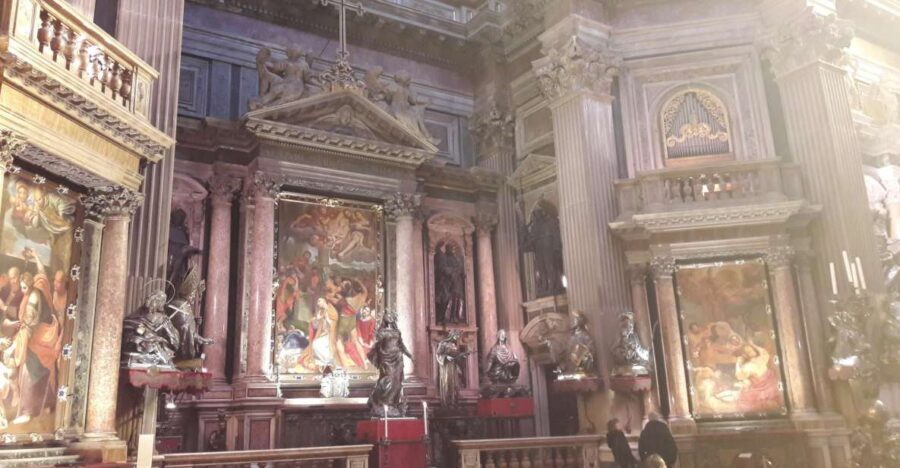
One of the most memorable practical stops is the Dolls Hospital, a place that fits Naples perfectly: part workshop history, part local obsession with repairs, and part “only Naples” storytelling.
The value here isn’t just seeing dolls. It’s what the guide’s explanation is doing for you. It teaches you how Naples handles everyday objects and traditions—by caring for them, by giving them continuity, and by turning restoration into identity. Even if you’re not a doll person, you’ll come away with a clearer sense of how culture gets preserved in small, quirky ways.
This is also a great moment for a quick reset. The tour has a lot of heavy legend energy (later on you’ll hear the purgatory story), so a lighter, crafts-focused stop keeps the pacing balanced.
Saint Gregorio Armeno: nativity artisans and why it matters
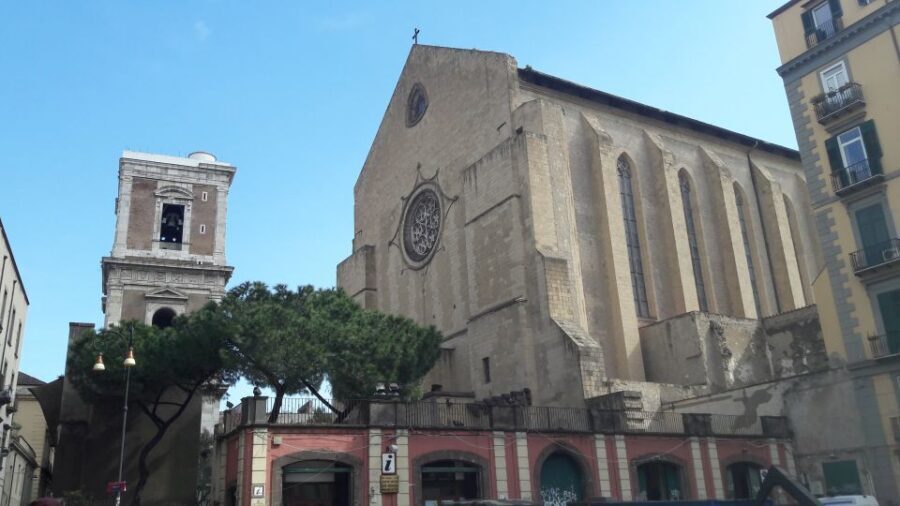
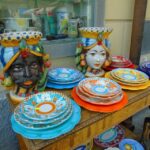
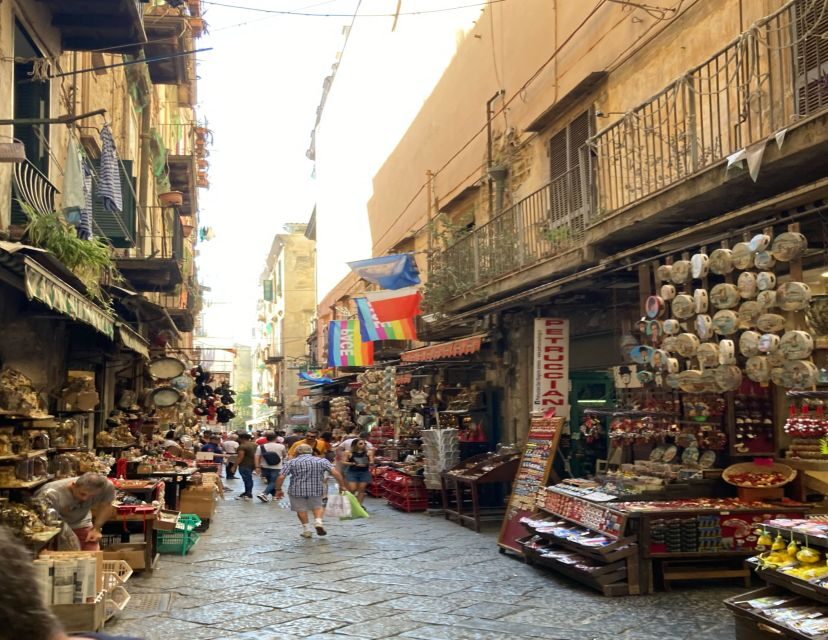
Next comes Saint Gregorio Armeno, famous for its skilled artisans creating nativity scenes and related crafts. This is one of the best “feel Naples” segments because you’re not just learning a date or a building fact—you’re seeing how people make and shape tradition with their hands.
You’ll likely notice how the area works: small craft spaces, focused workmanship, and the way the street becomes a conveyor belt for holiday creativity. It’s not only about Christmas in the usual sense. It’s about the ongoing craft culture that keeps religious imagery and local storytelling relevant.
If you care about shopping, this is the point in the tour where your eyes will start scanning storefronts more critically. If you don’t shop, still treat it like a cultural stop. Look at materials, tools, and the level of detail. The guide helps you see the “why,” not just the “what.”
Via dei Tribunali and pizzerias: the food street as a legend corridor
The tour then passes along Via dei Tribunali, known for famous pizzerias. You’re not here to eat on the tour (food and drinks aren’t included), but it’s worth taking seriously. This street is part of Naples’ daily rhythm and a reminder that legends live in the same blocks as lunch.
Even without a meal stop, this segment gives you a helpful mental map: if you want to come back later, you’ll know where the main “food corridor” is. You’ll also understand how the center’s energy shifts from craft streets to a high-traffic, taste-driven area.
A small drawback to note: because this is a popular street, it can get crowded fast. Use the guide’s timing, stay close in the group, and don’t get distracted at the edges.


Santa Maria delle Anime del Purgatorio ad Arco and the skulls of purgatory
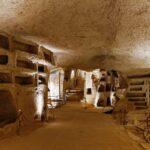
Now we hit the mystical center of the tour: the Complesso Museale Santa Maria delle Anime del Purgatorio ad Arco. This is where you’ll encounter the famous skulls—the so-called souls of purgatory—and hear the folk legend tied to them.
This stop is one of the most unique parts of the whole experience because it forces you to think about Naples folklore as something visual and specific, not just talk. The skull imagery isn’t only for shock value. It’s connected to a larger tradition of memory, death, and spiritual hope—told here through objects and stories you can point to.
You’ll also get a very Naples kind of interaction: your guide will point out the tradition around touching the Statue of Pulcinella for good luck. Whether you believe in luck or not, it’s a memorable cultural moment—brief, playful, and tied to local character.
If you prefer lighter content, this is still worth your time. The tour is building from “sacred miracle” to “street legend” to “dark folklore,” so this is the middle turning point where Naples becomes truly theatrical.
The oldest conservatory in Italy and a possible music moment
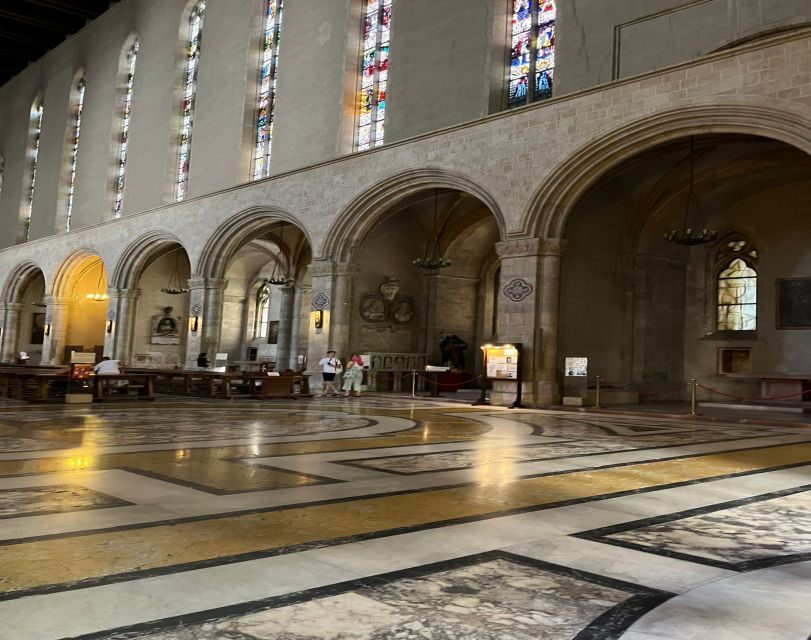
As you continue, you’ll pass the oldest conservatory in Italy. That’s a standout clue that Naples isn’t only about churches and legends—it has long-standing roots in music training and performance culture.
The tour also notes that if you’re fortunate, you may hear music along the way. You shouldn’t treat this as guaranteed, but it’s a nice bonus idea. It can turn an already interesting street walk into a “wait—did you hear that?” moment.
Practical tip: if music starts nearby, don’t assume it will last. Stay with your guide’s pace so you don’t miss the next key story stop.
Port’Alba: a 17th-century gate with architecture and myths
Next comes Port’Alba, described as one of Europe’s most beautiful seventeenth-century gates due to its size and architecture—plus mystical legends tied to it. This is where the tour slows down enough to appreciate stonework and symmetry.
Why I like this stop as a traveler: a gate is a piece of infrastructure, but it also tells you how power and movement worked in earlier centuries. Here, the guide connects the physical structure to the folklore layer, so you get two layers at once: form and story.
If you’re the type who usually walks past big architecture, this segment can change that habit. Gates feel “small” until you stand in front of one and realize how much planning it took.
Saint Chiara’s Gothic mood and the story behind Gesù Nuovo
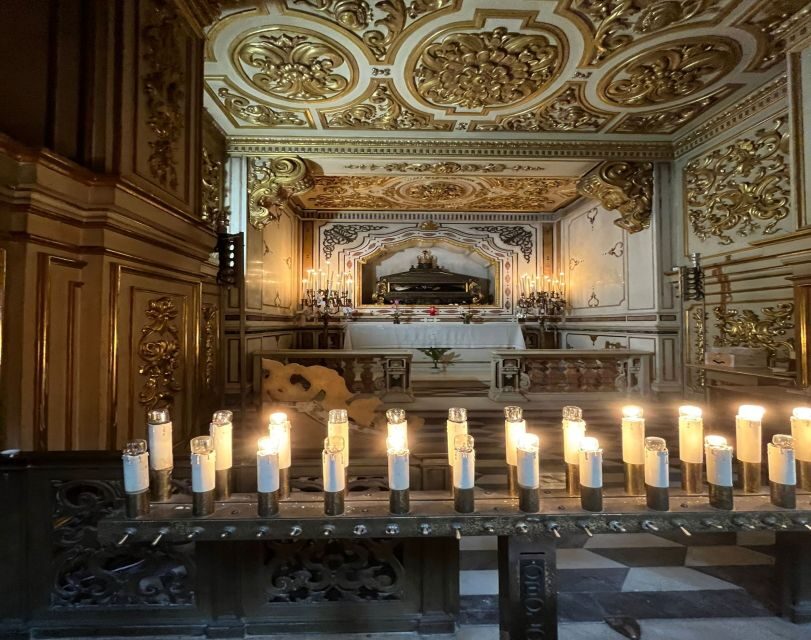
The final religious landmark is the church of Saint Chiara, an austere Gothic symbol of Naples. This stop is a strong closing chapter because it shifts mood again: earlier you saw dramatic sacred tradition, then darker folklore, then craft culture. Saint Chiara adds a quieter, darker, Gothic tone.
Then the tour ends at Gesù Nuovo Square, where you learn the history beyond the front wall of the Church of Gesù Nuovo. That detail matters because it trains your eye. You start to notice that in Naples, surfaces often hide layered meanings, and buildings can have more story than their first glance suggests.
This ending is useful if you plan to wander afterward. You’ll have the “what am I looking at?” context to keep exploring without getting lost in random turns.
Price and value: what $51.24 buys you in Naples Historic Center
At $51.24 per person for about 2 hours, you’re paying for a live, English-speaking local guide and a route that strings together several high-interest sights without you doing the stitching yourself.
What makes it good value isn’t that you get one famous photo spot. It’s that you get multiple stops with an explanation designed to connect them:
- Duomo + Saint Gennaro miracle
- street art (Jorit) integrated into the walk
- Dolls Hospital and artisan culture in Saint Gregorio Armeno
- the skull museum and the purgatory legend
- Port’Alba’s architectural presence with myth
- Saint Chiara and the Gesù Nuovo front-wall history
Food isn’t included, so don’t expect this to replace dinner plans. Also, there’s no hotel pickup/drop-off, so you’ll need to get to the Duomo meeting point yourself.
One more value note: the group is capped at 20 people. In a city like Naples, that size can mean the difference between a guide who can steer the route and one who gets swallowed by the crowd.
Guide quality is the real variable (pick this route with confidence)
With a walking tour, the “how” matters as much as the “where.” One guide name that stands out in the provided info is Ludovica, praised for giving lots of information with humor and clear explanations. That kind of delivery is exactly what you want for a route built on legend and symbolism.
On the flip side, there’s also at least one unhappy note about a guide who didn’t connect well and lacked art-history depth. That doesn’t mean you’ll have that experience. It does mean you should treat your comfort level with crowds and art narration as part of the decision.
If you enjoy explanations, story, and walking pace control, this tour fits well. If you hate standing around or you’re only interested in fast facts with zero storytelling, you might feel frustrated.
Who should book this tour (and who should skip it)
This is a great pick if you want Naples to feel like a place with character—where street art, church legends, artisan craft, and spooky museum stories all belong to the same city.
I’d especially recommend it to:
- first-timers in Naples Historic Center who want structure for a short time
- travelers who like folklore and religious tradition explained in plain language
- people who enjoy walking tours but want a guide to make the route make sense
I’d skip it or be cautious if:
- you need wheelchair access (the tour isn’t suitable)
- you’re expecting a leisurely pace with long photo stops
- you strongly dislike guided group narration in crowded streets
FAQ
Where does the tour start?
It starts outside the Duomo/Cattedrale di Santa Maria Assunta.
How long is the tour?
It lasts about 2 hours.
Is the tour guided in English?
Yes, there is a live tour guide in English.
Is food or drinks included?
No. Food and drinks are not included.
Does it include hotel pickup or drop-off?
No. Hotel pickup and drop-off are not included.
How big is the group?
The tour has a maximum of 20 people.
Is this tour suitable for wheelchair users?
No, it is not suitable for wheelchair users.
Should you book this Naples Historic Center tour?
If you want a short, guide-led route that explains Naples beyond postcards, I think this is a strong booking choice. The price is reasonable for a 2-hour, multi-stop walk that ties together major landmarks with folklore you won’t get just by wandering.
Book it if you like stories, street texture, and cultural context—especially around the Duomo, Saint Gregorio Armeno, and the skulls at Santa Maria delle Anime del Purgatorio ad Arco. Skip it if you need wheelchair access, dislike crowd conditions, or only want quick sightseeing with no legend-heavy narration.