REVIEW · VATICAN CITY
Best of Rome Pass: Vatican, Colosseum, Roman Forum and Palatine
Book on Viator →Operated by TOURISTATION · Bookable on Viator
Rome’s biggest sites, stacked neatly.
This pass is interesting because it turns several Rome essentials into one timed plan, so you’re not piecing together tickets while you’re already standing in the chaos. I like the skip-the-line access for the Vatican Museums and Sistine Chapel, and I also like the fast-track entry for the Roman Forum and Palatine Hill, which are the exact places that make the Colosseum feel real. One thing to consider: the Vatican areas can close in advance for unforeseen reasons, and closures don’t come with refunds.
You get a tight 3-day window to visit at your own pace, while still having pre-booked admission for the most in-demand stops. I also appreciate the simple “meeting point → redeem voucher → start your pass” setup, plus free Wi‑Fi to help you keep track. The drawback is that the process is voucher-based, and if your timing or details are off, you can lose valuable time with long walks between offices.
In This Review
- Key Highlights You’ll Feel Immediately
- The Real Value: One Pass for Rome’s Power Trio (Plus the Vatican)
- Meeting Point: Touristation Aracoeli and the Voucher Setup
- Stop 1 and 2 Combo: Roman Forum + Palatine Hill Fast-Track Flow
- Entering the Colosseum: The Main Stage (Without the Worst Waiting)
- Vatican Museums: Where Your Time Goes (and Why Skip-the-Line Matters)
- Sistine Chapel: High-Impact, Short Stay
- Pantheon: Skip-the-Line Entry Plus a Guided Touch
- St. Peter’s Basilica: Free Entrance, Included Audio Guide
- Dress Code and ID Rules: The Boring Stuff That Saves Your Day
- Timing Tips That Make the Pass Work Better
- Group Size: Small Enough to Feel Calm, Still Big Enough to Matter
- How Good Is This Pass Compared to Buying Separately?
- So, Who Should Book the Best of Rome Pass?
- Should You Book This Tour?
- FAQ
- Where do I redeem the pass voucher?
- What time should I arrive for the meeting point?
- Which sites are included in this 3-day pass?
- Do I need to visit the Roman Forum and Palatine Hill before the Colosseum?
- Is there skip-the-line access for the Vatican and Pantheon?
- Is St. Peter’s Basilica entrance reserved with this pass?
- What should I wear for the Vatican and other worship sites?
- What ID do I need to bring?
- Are large bags allowed?
- Can parts of the Vatican Museums close?
Key Highlights You’ll Feel Immediately
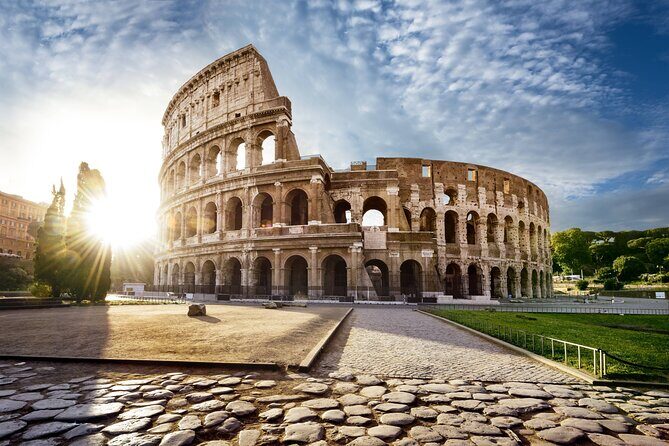
- Fast-track Forum + Palatine so you don’t burn your morning waiting
- Skip-the-line for Vatican Museums and Sistine Chapel, where lines can be brutal
- Skip-the-line Pantheon entry paired with a guided-style walkthrough
- One pass, six big ticket stops across three days
- Short Ancient Rome multimedia video at the meeting point to get oriented fast
- St Peter’s Basilica audio guide (entrance is free, but it’s not a reserved entry)
The Real Value: One Pass for Rome’s Power Trio (Plus the Vatican)
Let’s start with what you’re really buying: less time trying to figure out logistics, and more time inside places that feel like the main stage of western history.
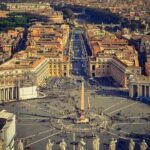
The Roman leg hits the Colosseum, Roman Forum, and Palatine Hill—the triangle that shows you Rome as a living machine, not just a pile of ruins. Then the Vatican leg brings you Vatican Museums and Sistine Chapel plus St Peter’s Basilica, which is a different kind of awe: art, religion, and scale all at once. Add the Pantheon, and you’re covering architectural Rome in a way that’s hard to replicate if you’re buying everything separately.
At about $121 per person for a 3-day pass, the value depends on one thing: whether you’ll actually use the pre-booked access. Rome can eat hours in queues, and this pass is designed for exactly that problem—especially at the Vatican Museums and during the Forum/Palatine-to-Colosseum flow. If you’re the type who loves to wander slowly, this works. If you’re the type who hates structured timing, it can feel like you’re constantly checking your clock.
You can also read our reviews of more tours and experiences in Vatican City.
Meeting Point: Touristation Aracoeli and the Voucher Setup
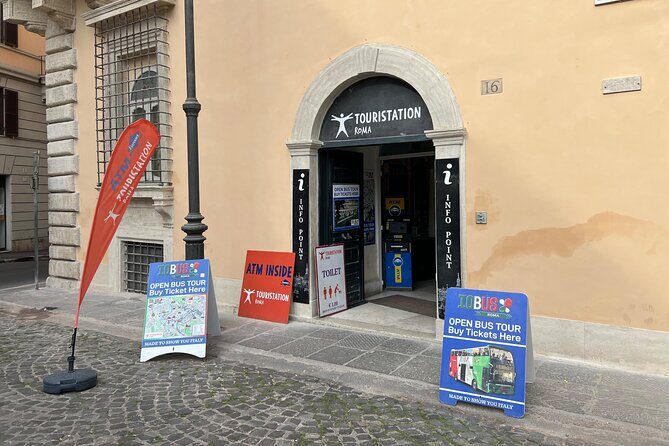
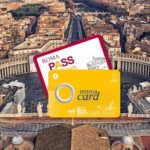
Your pass starts at Touristation Aracoeli, Piazza d’Aracoeli, 16 (00186 Rome). You redeem your voucher at the Touristation office, and the time you select while booking is your meeting time for collecting tickets and starting the pass.
I’d treat that start time as a hard target. Reviews point to confusion when people arrive late or can’t find the right queue or office workflow, so you’ll protect your day by showing up earlier than you think you need. One simple tip: wear shoes that handle Rome’s uneven sidewalks, because you may be walking between stops on your own time.
Also note the small but important “pre-game” element: there’s a short Ancient Rome multimedia video at the meeting point. It’s not a replacement for a guide inside the Forum, but it’s useful if you’re going in with only vague knowledge. It helps you get oriented before you’re standing among columns, arches, and layers of history.
Stop 1 and 2 Combo: Roman Forum + Palatine Hill Fast-Track Flow
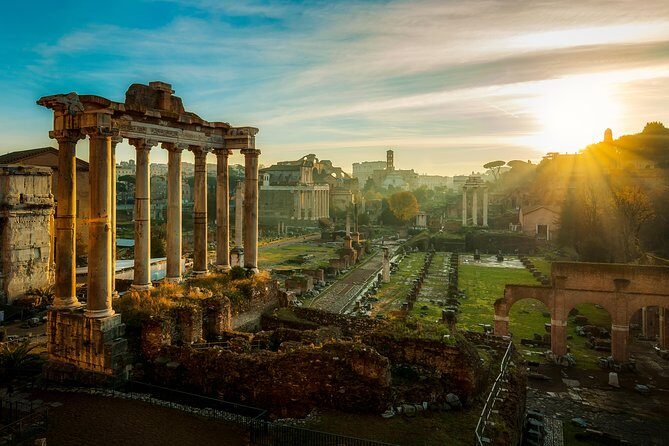
The pass builds the Roman experience in the right order. You’re expected to visit the Roman Forum and Palatine Hill for about two hours before entering the Colosseum. That sequence matters because the Forum is where the city’s political life happened, and Palatine Hill is where “power and prestige” were rooted in everyday geography.
You get fast-track access here, which is a big deal because the Forum and Palatine can still feel packed even when you’re moving. The benefit is you’re more likely to spend your limited daylight inside the sites rather than waiting at an entrance.
What to look for when you’re in the Forum:
- Think “streets and decisions.” The Forum is the crossroads of civic life—temples, public spaces, and the idea of Rome making rules.
- Slow down enough to read the way the space opens and tightens. The scale can be confusing until you connect what you’re seeing with how Romans used these areas.
Palatine Hill tends to give you a strong sense of how Romans thought about themselves—living near the symbolic heart of the city. If you like viewpoints and “I can see why people cared,” Palatine is where you’ll get that feeling fast.
Entering the Colosseum: The Main Stage (Without the Worst Waiting)
The Colosseum is included with admission through the pass. Your time here is typically around one hour.
There’s a practical note that comes up a lot in real life: even with pre-booked access, the Colosseum can still involve moving through controlled entry points, and big-day crowds can stretch the timeline. That’s not unique to this pass, but it’s worth keeping in mind when you’re planning the rest of your day.
Here’s how to make the hour count:
- Don’t try to “see everything.” Instead, pick a route and focus on the parts that help you understand how the arena worked.
- If you’re the kind of traveler who loves context, consider using your own phone or a printed guide to add details while you walk. The pass itself focuses on access, not a full guided script inside.
One more thing: big bags and suitcases are not allowed at these sites. If you travel light, you’ll move faster and stress less.
Vatican Museums: Where Your Time Goes (and Why Skip-the-Line Matters)
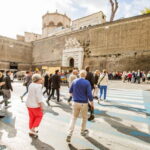
The Vatican Museums are included, and the access is described as skip-the-line. Your slot here is typically about two hours.
This is the stop where the pass can feel most “worth it,” because the Vatican Museums are famous for lines that feel like a life choice. Skip-the-line access reduces the worst of that, and it gives you a shot at enjoying the collections instead of just sprinting from one bottleneck to the next.
What’s special about the Vatican Museums isn’t just “famous art.” The variety is the point. The pass description calls out areas like:
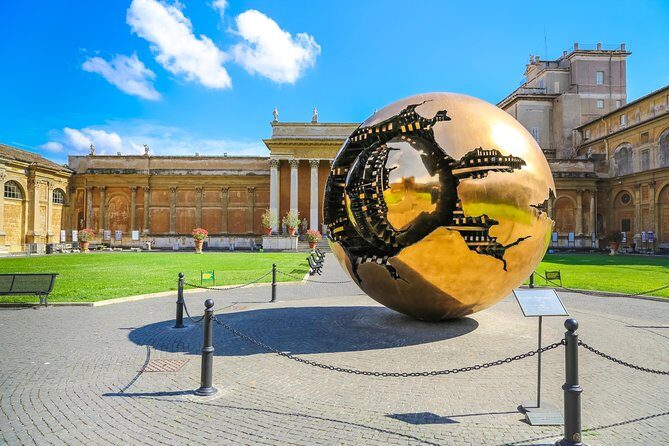
- the Pine Cone Courtyard
- Egypt and Etruscan collections
- Gallery of Maps
- painted ceilings and large-scale frescoes by Raphael
Even if you don’t memorize artists’ names, that spread of eras helps you understand what the Vatican has collected and why it’s so visually overwhelming. It’s like walking through a long-term project where art, politics, and power traveled together.
A note on planning: the Vatican Museums reserve the right to close any section—including the Sistine Chapel—due to unforeseen circumstances, and closures don’t come with refunds. That doesn’t mean it will happen, but it’s a real factor. If you’re visiting with very rigid plans, it’s smart to keep your expectations flexible.

Sistine Chapel: High-Impact, Short Stay
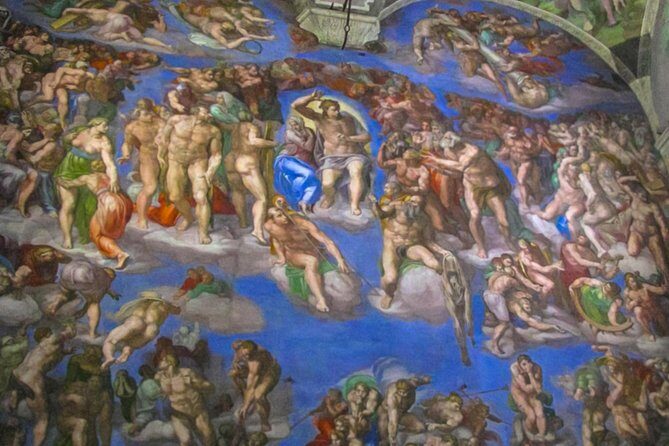
The Sistine Chapel is included with the pass and timed in a short window (listed as about 10 minutes). That short stop is exactly what people underestimate. You want to be present for Michelangelo’s frescoes, but you also want to move with the flow.
Since this is a high-traffic space, skip-the-line entry helps, but it doesn’t remove the fact that this room is small for the number of visitors. Go in ready to look up and breathe less than you want.
If you’re sensitive to crowds, consider this strategy: spend less time searching for the perfect viewing spot and more time taking in the bigger picture. Once you understand the layout, your brain starts to organize what you’re seeing fast.
Pantheon: Skip-the-Line Entry Plus a Guided Touch
The Pantheon is included with skip-the-line entry. It also includes a guided tour element, with about one hour allotted.
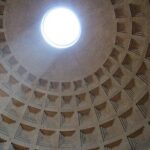
This is a different vibe than the Vatican and Colosseum. It’s Roman architecture at its most practical and iconic, and it sits inside the everyday life of the city. You’re not just walking through “a museum.” You’re standing in a functioning historical space with a famous interior—and the dome is the kind of sight that makes people talk quietly.
The value of including Pantheon here: it breaks up the heavy “monument mode.” You get one of the best-preserved Roman buildings, and you can connect it to the larger story of Roman engineering that you’re seeing on the other sites.
One detail to keep in mind: the pass setup includes skip-the-line access, but the Pantheon is still an active public site. If you’re thinking you’ll have a private viewing, you’ll likely be disappointed. Still, it’s worth it for the reduced queue stress.
St. Peter’s Basilica: Free Entrance, Included Audio Guide
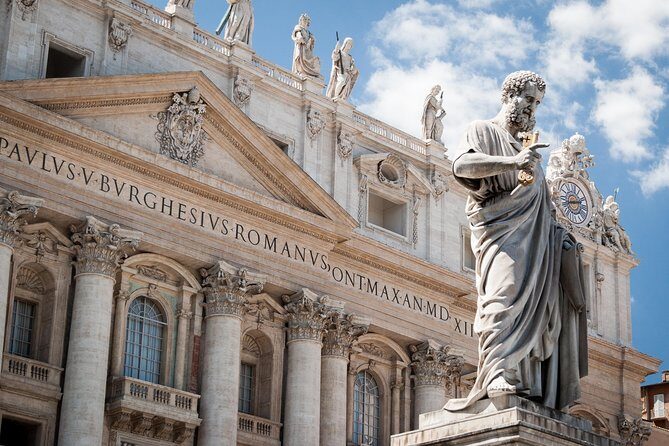
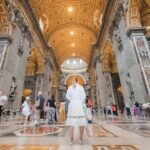
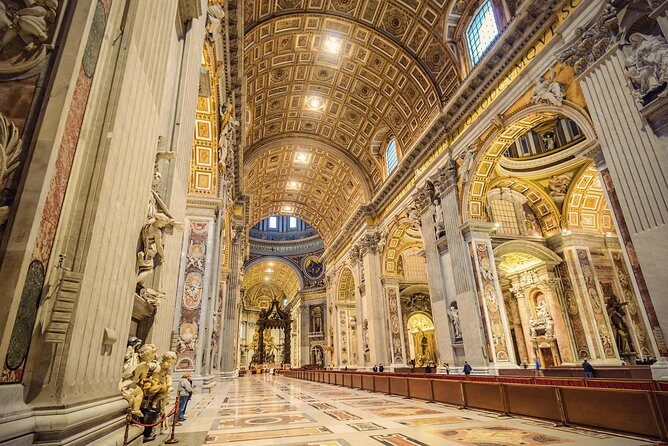
You also get access to St. Peter’s Basilica with an audio guide included. The pass information is clear: entrance to St Peter’s is free, and this is no reserved entrance included.
So what does that mean for you? It means you should think of St Peter’s as part of your day’s experience, not as a guaranteed timed-entry sprint like the Vatican Museums. If crowds are heavy, plan extra time.
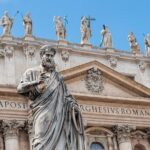
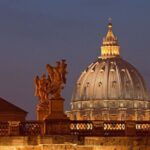
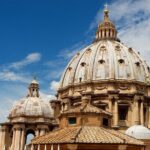
In St Peter’s, look for why the basilica is so central: Catholic tradition holds it as the burial site of Saint Peter, and his tomb is described as being directly below the high altar, also called the Altar of the Confession. You’ll see signs of that significance everywhere once you’re inside.
For many people, this is where the trip turns from “I saw the art” to “I get the story.” Even if you’re not religious, the role of the space in church history is part of what you’re experiencing.
Dress Code and ID Rules: The Boring Stuff That Saves Your Day
Rome’s major religious sites run on a simple idea: you must dress in a way that shows respect. The pass states a strict dress requirement: no shorts or sleeveless tops, and knees and shoulders must be covered for men and women. If you don’t comply, you risk being refused entry.
Also bring a valid ID or passport for all participants. The info says the ID must match the name used at booking, and for kids, an ID card for kids is mandatory.
This matters because most of the frustration in bad experiences doesn’t come from the monuments—it comes from small mismatches. If your documents or clothing don’t fit the rules, you can lose the time you thought you paid for.
Timing Tips That Make the Pass Work Better
This pass is spread across three days with visits at your own pace, but it’s still not “anything goes.” The key timing constraint you should actually plan around is the Roman sequence: Forum + Palatine first, then Colosseum afterward.
A smart way to structure it:
- Day one, start with the Roman leg first, since you can’t comfortably jump back and forth between those sites without creating time-wasting motion.
- Day two, tackle the Vatican Museums and Sistine Chapel while skip-the-line access is most valuable.
- Day three, use it for whichever you prefer less—Pantheon and St Peter’s can fit nicely here, since St Peter’s doesn’t promise reserved entry.
If you’re staying central, you’ll likely feel fine doing this. If you’re far from the action, travel time can quietly eat your “flexibility.”
Group Size: Small Enough to Feel Calm, Still Big Enough to Matter
The pass lists a maximum of 10 travelers. That’s a good sign for a meeting point experience that can otherwise feel chaotic, especially at busy Vatican-day moments.
Still, once you’re inside the biggest attractions, crowds are crowds. The group size helps with organization and meeting logistics; it doesn’t shrink the world-famous lines once you reach the main rooms.
In other words: expect smoother entry where skip-the-line is promised, and expect normal human density inside the sites.
How Good Is This Pass Compared to Buying Separately?
If you buy everything on your own, you can often find good ticket deals. But Rome isn’t just about price—it’s about time and stress.
This pass bundles several high-demand places under one umbrella. That can be worth it if:
- you want to stop hunting for ticket windows at multiple websites
- you hate wasting mornings
- you’re okay with rules like dress code and exact ID matching
Where the pass can be less satisfying is when your voucher handling goes wrong. The provided feedback includes cases like invalid vouchers, confusion about office locations, or issues like receiving child tickets when adults expected adult admission. You don’t want that. If you book, double-check your participant details and keep your confirmation ready.
Also, even with skip-the-line tickets, some visits can still be delayed by real-world controls, security, and crowd flow. You’re buying reduced waiting, not a personal shortcut through time.
So, Who Should Book the Best of Rome Pass?
This is a strong match for:
- first-time Rome visitors who want a “do the big ones” plan
- travelers who value skip-the-line access enough to plan around it
- couples or small groups who want to explore independently after getting access sorted
It may be a weaker fit if:
- you need very strict, non-flexible timing for multiple days
- you dislike voucher-based pickups and office-based redemption
- you’re traveling with documentation or clothing that might not meet strict entry rules
And if you’re the type who likes adding context, there’s an optional layer some people used: one review described upgrading the Colosseum and Ancient Rome to a guided tour for about €20 each. If you want more meaning than access alone, it’s worth looking at upgrade options when offered.
Should You Book This Tour?
I’d book it if you want a practical, time-saving way to hit Colosseum + Forum + Palatine and the Vatican Museums + Sistine Chapel, plus Pantheon and St Peter’s over three days. The best part is not the list—it’s the reduced friction where it counts most.
Just go in prepared. Make sure your ID names match, follow the dress code, arrive early to the Touristation Aracoeli meeting point, and keep the Vatican closure possibility in mind. If you do those things, this pass can make Rome feel less like a queue simulator and more like a real sightseeing plan.
If you want, tell me your exact travel dates (and whether you’re visiting the Vatican on a Sunday), and I’ll suggest a smart “day-by-day” order that fits how these sites usually behave.
FAQ
Where do I redeem the pass voucher?
You redeem your voucher at Touristation Aracoeli, Piazza d’Aracoeli, 16, 00186 Rome. The pass instructions say you must report to the Touristation office to collect your tickets.
What time should I arrive for the meeting point?
The time you selected while booking is your meeting time at the Touristation office to start your pass and collect tickets.
Which sites are included in this 3-day pass?
It includes Colosseum, Roman Forum, Palatine Hill, Vatican Museums, Sistine Chapel, Pantheon, and St. Peter’s Basilica (with an audio guide).
Do I need to visit the Roman Forum and Palatine Hill before the Colosseum?
Yes. The pass notes that the Roman Forum and Palatine must be visited for approximately 2 hours before entering the Colosseum.
Is there skip-the-line access for the Vatican and Pantheon?
Yes. The pass includes skip-the-line tickets for the Vatican Museums and Sistine Chapel, and skip-the-line entrance to the Pantheon.
Is St. Peter’s Basilica entrance reserved with this pass?
No reserved entrance is included for St. Peter’s because entrance is free. You do get an audio guide, but entrance is not described as reserved.
What should I wear for the Vatican and other worship sites?
A dress code is required. The pass states no shorts or sleeveless tops, and knees and shoulders must be covered for both men and women.
What ID do I need to bring?
You must bring a valid ID or passport for all participants. Kids require an ID card, and the ID document must match the name used at booking.
Are large bags allowed?
No. The pass notes that big bags and suitcases are not allowed in the sites.
Can parts of the Vatican Museums close?
Yes. The Vatican Museums reserve the right to close any section, including the Sistine Chapel, due to unforeseen circumstances, and closures do not entitle visitors to a refund.