REVIEW · NAPLES
Try Scuba Diving and Underwater Roman Ruins in Baia from Naples
Book on Viator →Operated by SuBaia Diving Center · Bookable on Viator
Roman ruins under your fins. That’s the draw of this Try Scuba experience in Baia, where submerged Roman archaeology rises from the seabed and you get guided help from the start. I like that it’s built for beginners, with a certified scuba instructor walking you through the basics before your first time in the water.
Two things stand out: the patient instruction (people feel supported, even if it’s their first time) and the chance to see artifacts up close in a place with real archaeological context. One thing to keep in mind: you may not always see the statue-style sights shown in some photos, because Baia’s marine park limits what’s available on the day and even scheduling can affect what you get.
In This Review
- Key Things I’d Bet on Before You Go
- Baia Underwater Roman Ruins: Why This Feels So Special
- The Naples-to-Baia Timing: How Your 5 Hours Typically Unfold
- Try Scuba Basics: Gear, Coaching, and First-Time Confidence
- Two Underwater Sessions Among Mosaics and Artifacts
- Statues, Replicas, and Why Photos May Not Match Your Day
- Who This Is Best For (And Who Might Prefer Snorkeling)
- Price and Value: What $263.08 Buys You in Baia
- Practical Tips Before You Book
- Should You Book This Try-Scuba in Baia?
- FAQ
- What’s included in the Try Scuba experience?
- How long is the experience in Baia?
- Do I need prior scuba experience?
- Are air-conditioned transportation costs included?
- Will I definitely see statues underwater?
- What if the tour can’t run due to weather?
Key Things I’d Bet on Before You Go
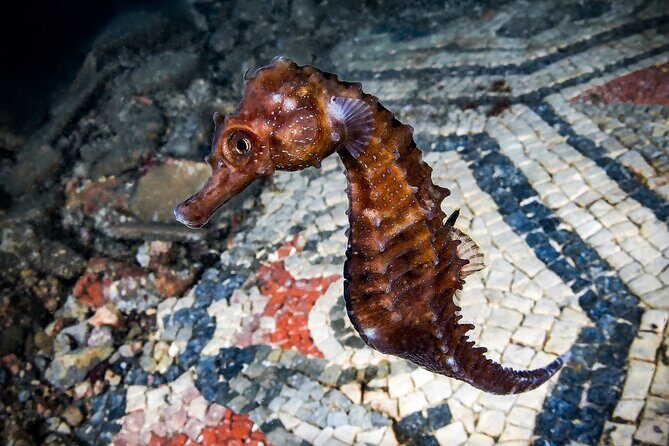
- Beginner-friendly Try Scuba: basics first, then two instructor-led underwater sessions with certified coaching
- Small group size (max 4): more attention, less waiting around
- Roman mosaics and artifacts on the seabed: you’re not just sightseeing from above
- Statues aren’t guaranteed: only one of Baia’s scuba sites has statues, and visibility can change plans
- Wetsuit warmth is part of the plan: you’re provided gear designed to help you stay comfortable
- Bottled water included: a small touch that matters on a 5-hour outing
Baia Underwater Roman Ruins: Why This Feels So Special
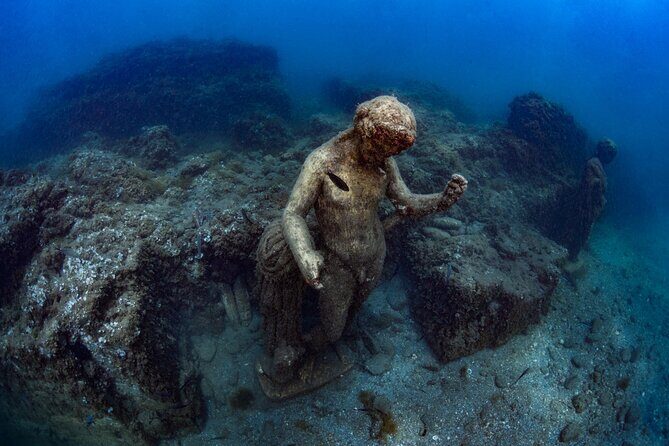
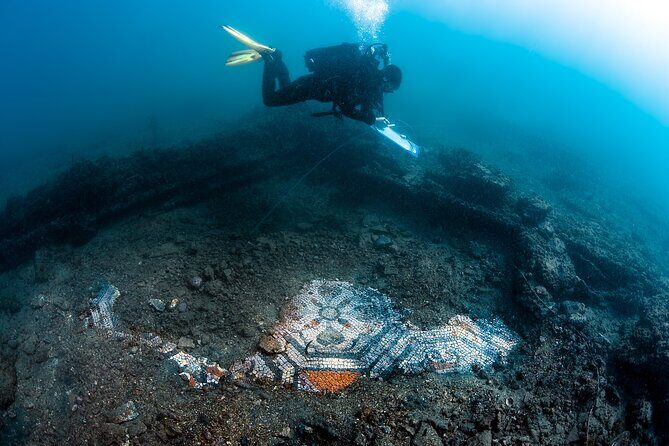
Baia is one of those rare places where the past isn’t behind glass. Roman ruins rise from the sand on the seafloor in a marine archaeological park, so your experience happens in the same setting where the structures and art once belonged.
What makes this tour interesting is the pairing: you get an actual scuba introduction tied to a specific underwater heritage site. Instead of a generic “see the water” outing, the guides focus on what you’re seeing and how close you can get to the underwater remains.
This also helps you enjoy it more, especially if you’re nervous. When the instruction is clear and the goal is defined, you spend less mental energy guessing what to do and more energy paying attention to the ruins.
You can also read our reviews of more tours and experiences in Naples.



The Naples-to-Baia Timing: How Your 5 Hours Typically Unfold
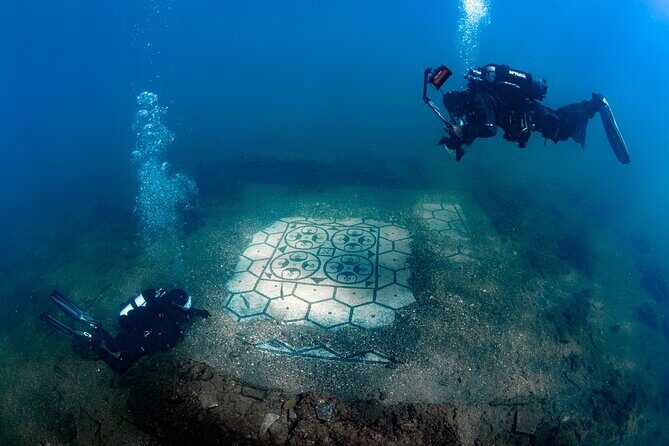
The tour runs about 5 hours, with pickup offered from Naples. That matters because Baia isn’t just a quick walk-and-go stop; you’re doing a real half-day outing with travel time, briefing time, and two separate underwater sessions.
One practical note: the listing says an air-conditioned vehicle costs 75€ from Naples, paid directly to the driver. So if you’re trying to budget, plan on that added cost if you want the comfort option.
Also, this is the kind of activity where timing can shape your experience. One reviewer called out that starting early helped, and in a small-group format, the “start when conditions are best” approach usually feels smoother.
Try Scuba Basics: Gear, Coaching, and First-Time Confidence
This is a Try Scuba program, which is the key for value. You don’t just get tossed into the water and told to figure it out. You get a tutorial with a certified instructor, use of scuba equipment, and two instructor-led underwater sessions.
The best part is how the instruction is described: calm, patient, and focused on safety. People noted that the instructors explain things in detail and keep checking that you’re okay, which is exactly what you want when you’re brand new.
You should also expect an emphasis on what you’ll see. One person mentioned an educational presentation/video that set expectations clearly about the sites and what would be visible underwater. That makes a difference when you’re trying not to overthink the unknown.
Finally, comfort matters. Multiple comments referenced wetsuits that help keep you warm, which is huge when you’re spending time in open water and doing short instructional steps back-to-back.
Two Underwater Sessions Among Mosaics and Artifacts
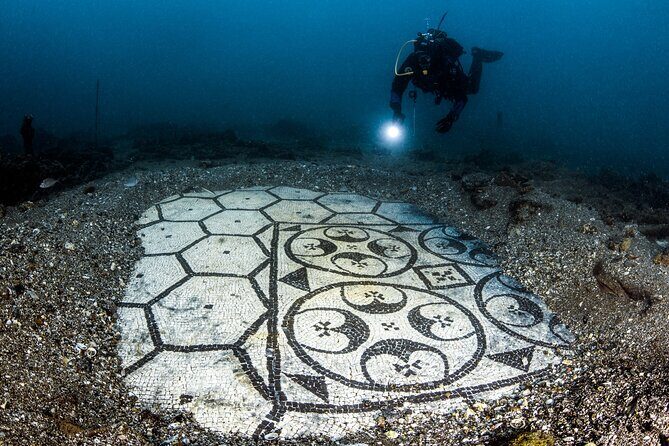
After the tutorial, the plan is two underwater sessions with an instructor. That pacing is smart for first-timers: you get one chance to settle in, then you return for a second session with better confidence and focus.
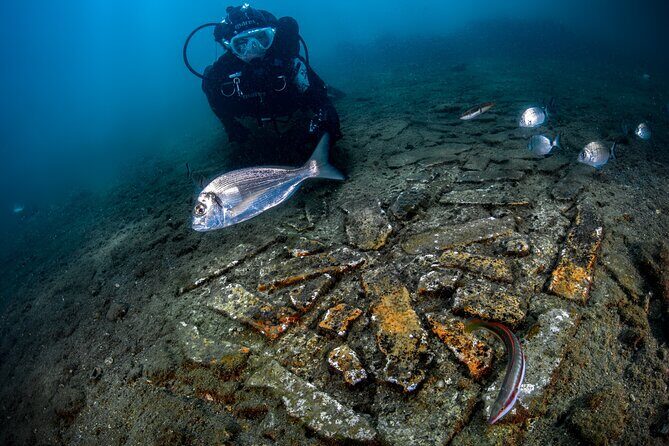
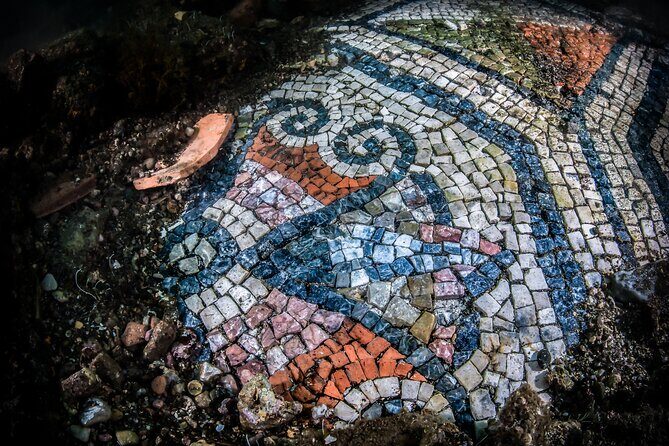
This is also where Baia earns its reputation. The Roman remains in this area often take the form of mosaics and ancient sea-floor artifacts, and the experience is built around seeing those features up close rather than skimming past them.
One review specifically loved the idea of being able to touch artifacts. Even if you’re not thinking about that before you go, it’s a big mental shift: it turns your experience from distant viewing into hands-on understanding of what you’re looking at (within whatever rules the site and instructor set).
The instructor-led format also helps with safety and enjoyment. People repeatedly said the guides made sure they were comfortable and had fun, not just that they completed a checklist.
Statues, Replicas, and Why Photos May Not Match Your Day
Let’s talk expectations, because this is the one area where people can feel disappointed.
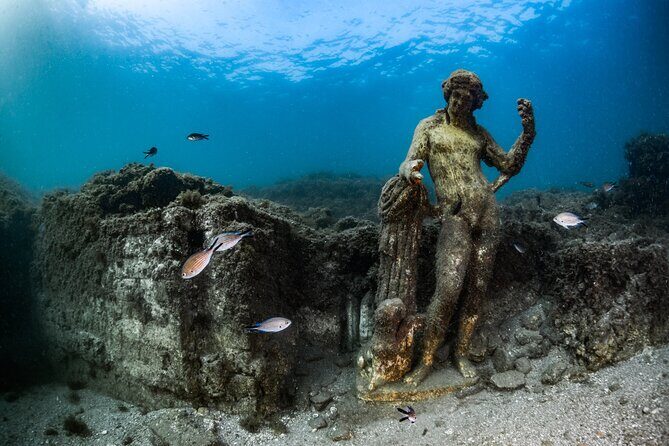
Baia has multiple underwater scuba sites—7 total is mentioned—and only one of those sites has statues. So if you’re specifically hoping to see statue imagery, you need to know that it depends on what the marine park management makes available that week.
There’s a second twist: visibility. The marine park schedule can affect which site is best on the day, and one explanation given was that the statue site may have bad visibility. In those conditions, the team may choose a mosaic-focused site instead, since visibility affects how much you’ll actually enjoy what you came to see.
There’s also the issue of originals vs replicas. The statues on the underwater site are described as replicas, with the originals housed in a museum. So if your goal is the exact statue artwork seen in photos, do a quick check before you go and ask what you’ll likely see based on the day’s available sites.
If statues are a deal-breaker, you’ll be happiest if you contact the operator in advance and request that specific site. Otherwise, go in ready to love mosaics and artifacts—the experience is still very much about Roman art and archaeology, just not always the statue option.


Who This Is Best For (And Who Might Prefer Snorkeling)
This tour is aimed at beginners who want a guided scuba introduction. If you’ve never used scuba equipment, the Try Scuba format is the point: tutorial first, then two supported underwater sessions.
But the operator also offers options for different experience levels, including snorkelers and more experienced scuba participants. So if you’re traveling with someone who’s confident in the water and you’re still building comfort, you can usually align the outing with different comfort zones.
In terms of age and confidence, reviews include examples of older participants who were nervous at first but felt safe and supported. That doesn’t mean this is automatically right for everyone, but it does suggest the instruction style works for people who want extra reassurance.
If you’re prone to panic in open water, ask yourself honestly how you react to new environments. With this kind of structured coaching, many people do great—but it’s still a real underwater activity, not a casual swim.
Price and Value: What $263.08 Buys You in Baia
The price is $263.08 per person, for a roughly 5-hour experience. That can feel high at first glance, until you break down what’s included.
You get:
- Scuba equipment use
- All fees and taxes
- Bottled water
And the experience is run with a maximum group size of 4, which often translates into more time with a certified instructor rather than a long wait while larger groups cycle through.
Then factor in the most common hidden cost in activities like this: transportation. The listing notes the 75€ air-conditioned vehicle option from Naples is not included, paid directly to the driver. If you take that transport, your total cost rises, but you also cut down on the logistics headache of getting there and back.
So the best way to think about value here is: you’re paying for equipment, protected instruction time, and a small-group experience tied to an underwater archaeological park. If you care about comfort and guidance more than DIY adventure, it tends to feel like money well spent.
Practical Tips Before You Book
A few things will help you get more out of the day:
- Plan for statue uncertainty: mosaics and artifacts are more consistent than statue sights, depending on weekly availability and visibility.
- Ask ahead if statues are your priority: the site choice can vary because the marine park manages access and conditions.
- Wear what dries fast: you’ll be in and out of gear and moving around on a boat/shore setup.
- Treat the briefing seriously: the educational setup helps set expectations for what you’ll actually see underwater.
- Budget the Naples transport if you want the air-conditioned vehicle option (75€).
Also, note that you’ll receive confirmation at booking time, and the tour provides a mobile ticket. That’s convenient for day-of check-in.
Should You Book This Try-Scuba in Baia?
If you want a first-timer scuba experience with real underwater Roman ruins as the focus, I think this is a strong choice. The small group size and the way instructors reportedly explain and support you are exactly the things that make beginners feel safe.
I’d only hesitate if you’re specifically chasing statue imagery with no flexibility. Because Baia’s scuba sites vary and only one site has statues, you may end up with a mosaic-and-artifacts day instead. If that trade-off sounds okay—or if you’re willing to ask in advance—go for it.
If you’re ready to see ancient Roman mosaics up close and you like the idea of structured coaching, this is the kind of Naples-area experience that feels memorable in a practical, hands-on way.
FAQ
What’s included in the Try Scuba experience?
The tour includes use of scuba equipment, all fees and taxes, and bottled water.
How long is the experience in Baia?
It runs for about 5 hours.
Do I need prior scuba experience?
The Try Scuba program is designed for beginners, with a tutorial and a certified instructor before your underwater sessions.
Are air-conditioned transportation costs included?
No. The air-conditioned vehicle cost from Naples is 75€ and is paid directly to the driver.
Will I definitely see statues underwater?
Not necessarily. Baia has multiple underwater scuba sites and only one site has statues, and access can depend on park scheduling and visibility.
What if the tour can’t run due to weather?
The experience requires good weather. If it’s canceled because of poor weather, you’ll be offered a different date or a full refund.