REVIEW · TIVOLI LAZIO
Tivoli: Villa Gregoriana Entrance Ticket
Book on GetYourGuide →Operated by FAI - Fondo Ambiente Italiano · Bookable on GetYourGuide
Quiet trails. Big water.
Villa Gregoriana feels like a day in three modes at once: forest walks, 19th-century engineering, and old Roman relics. The park was commissioned by Pope Gregory XVI, and the scenery is tied to a very specific story—how the River Aniene was controlled to create the spectacular drop you came for. I like that this is self-paced, so you can linger at viewpoints without feeling rushed.
Two highlights I’m especially glad you’ll see are the Great Waterfall (about 120 meters in the park’s engineered course) and the Grottoes of Neptune tucked under the area around the Temple of Vesta remains. One thing to consider: expect plenty of stairs and uphill/downhill walking, which can be tough if your knees or mobility are already cranky.
In This Review
- Key things to know before you go
- Villa Gregoriana’s “only-in-Tivoli” mix of nature and engineering
- The 2-hour experience that actually feels worth it
- Walking up to the Great Waterfall (and understanding what you’re seeing)
- Grottoes of Neptune and the Temple of Vesta remains
- Ancient relics, including Manlius Vopiscus
- What the self-paced route means for your planning
- Terrain and comfort: stairs, uphills, and knee-friendly decisions
- Timed entry, closing times, and how to avoid a rushed visit
- Price and value: $11 for a lot of scenery time
- Who this ticket is best for
- A few extra practical notes
- Should you book Villa Gregoriana?
- FAQ
- FAQ
- How much is the Villa Gregoriana entrance ticket?
- How long do I have at Villa Gregoriana?
- What’s included with the ticket?
- Is food or drinks included?
- What are the main sights in the park?
- Is there a specific starting time I need to follow?
- Does the park close at a fixed time?
- Are there baby facilities at the park?
- Can I cancel and get a full refund?
Key things to know before you go
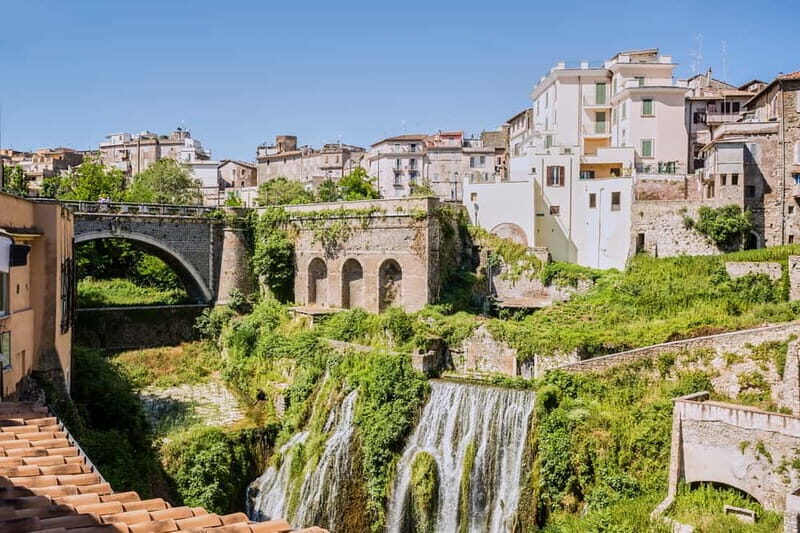
- 120-meter Great Waterfall from the diverted River Aniene: the park’s main reason to visit
- Commissioned by Pope Gregory XVI: nature plus deliberate 19th-century hydraulic planning
- Grottoes of Neptune + Temple of Vesta area: archaeology you can combine with a cool, shaded stop
- 74 tree species and lots of flowers and vines: a walk that changes as you go
- Ancient building remains, including the Villa of Roman Consul Manlius Vopiscus: Roman layers under the trees
- About 2 hours is a solid window for a focused route, not a casual stroll forever
Villa Gregoriana’s “only-in-Tivoli” mix of nature and engineering
Villa Gregoriana Park is located in Lazio, near Tivoli, and it’s built around a clever (and frankly impressive) idea: shape the River Aniene so the water produces a dramatic effect. Pope Gregory XVI commissioned the park, and the result is a walking route where you’re constantly switching between “wow, waterfall” and “wow, ruins.”
The park is also designed to be explored at your own pace. That matters because the best moments often happen when you stop, look, and decide you need one more viewpoint before you move on. You get a lot of variety for a short visit—think shaded footpaths, noisy water, and quiet corners where you can read the remains with less crowd pressure.
You can also read our reviews of more tours and experiences in Tivoli Lazio.

The 2-hour experience that actually feels worth it
The entrance ticket experience is listed for about 2 hours, and that’s a useful planning anchor. If you try to do everything in 10 minutes, you’ll miss the point. If you plan on 2 hours as your baseline, you can make a route that feels complete: waterfall first, then the Neptune grotto area, then a final loop past the Roman remains.
This is also one of those places where “at your own pace” helps you match the terrain to your day. Some sections are straightforward footpaths; other spots have enough steps that you’ll feel it in your legs. A review I read mentioned how much climbing and descending there is, so if you’re booking with tired legs in mind, build in breaks.
Walking up to the Great Waterfall (and understanding what you’re seeing)
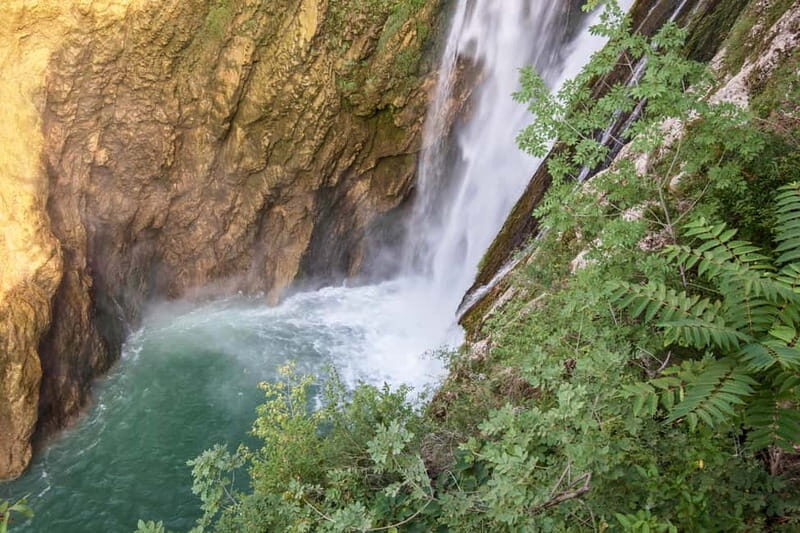
The star of Villa Gregoriana is the Great Waterfall, described as a majestic deviation of the River Aniene—about 120 meters in the park’s engineered course. What makes this worth your time is that it’s not just a random waterfall sitting in a forest. The park shows you how human planning and water power were made to work together.
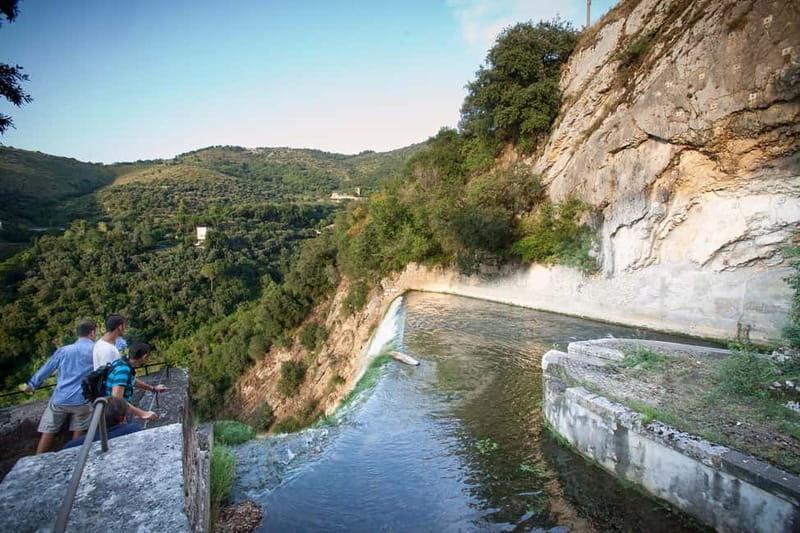
As you walk toward it, you’ll keep picking up pieces of the bigger story: hydraulic engineering used to contain and redirect the river, then release it in a controlled dramatic drop. That context turns a view into something you can actually interpret. You’re not just admiring water; you’re seeing the result of a deliberate design.
Practical tip: if the sun is out, you’ll notice how light changes around spray and shaded rock. If it’s overcast or late in the day, the waterfall often looks more dramatic because the area stays darker and cooler. Either way, plan to pause for a moment before moving on—this is where your photos and your headspace both land.
Grottoes of Neptune and the Temple of Vesta remains
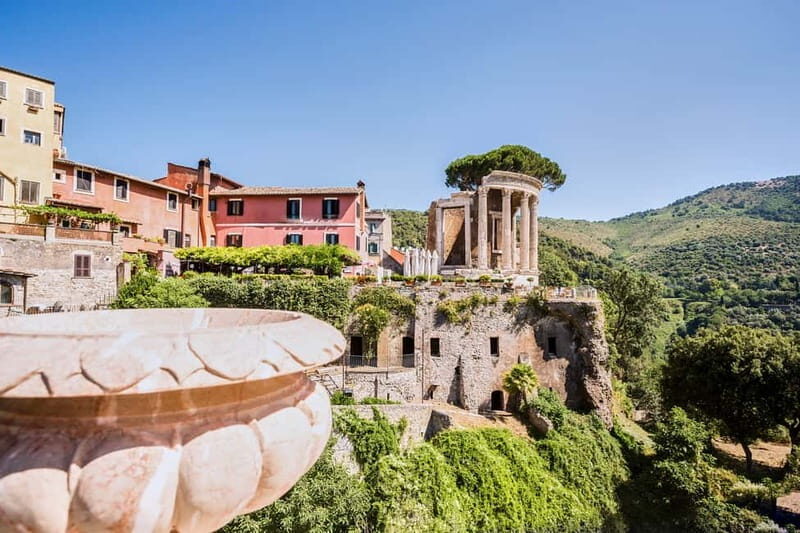
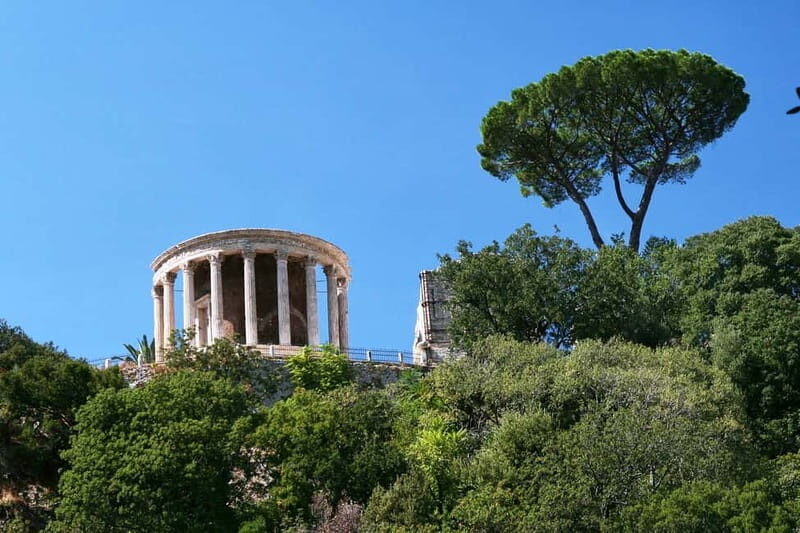
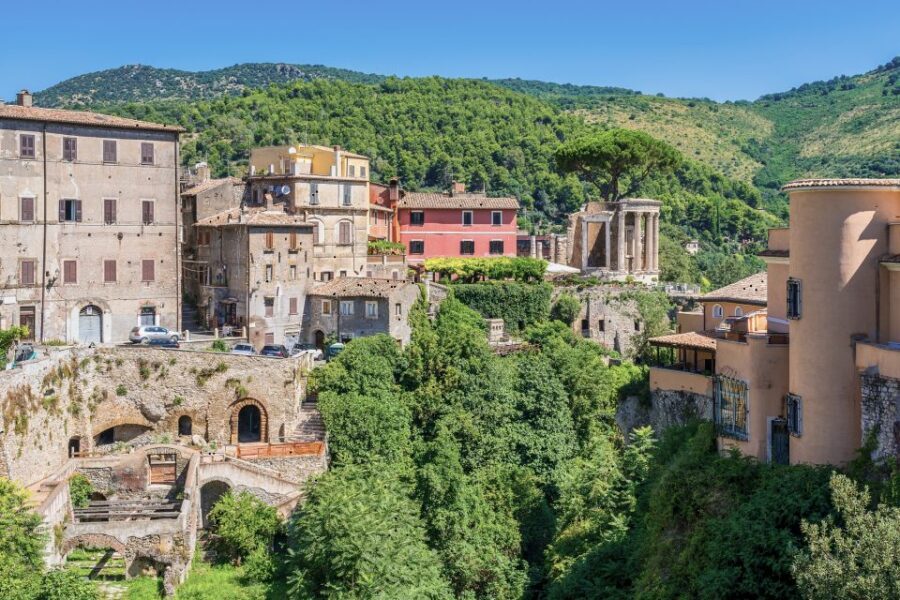
After the waterfall, the park shifts into a more archaeological mood. One of the most talked-about pairings in the park is the Temple of Vesta remains and the Grottoes of Neptune beneath that temple area.
Here’s what to expect: you’re walking from open, water-focused views into a section that feels more tucked in and atmospheric. The grotto stop is a great counterbalance if you’ve already spent time near louder water. It also gives you that “how does this all connect?” feeling—the ruins aren’t separate from the rest of the park. They sit within the same walking world.
The Temple of Vesta reference matters because it’s part of the park’s layered past. You’re not only looking at 19th-century work by the church; you’re also encountering Roman-era remains like you’d expect in the Lazio region. Put simply: this stop helps your brain connect the dots between what people believed, what they built, and how they used the land.
Ancient relics, including Manlius Vopiscus
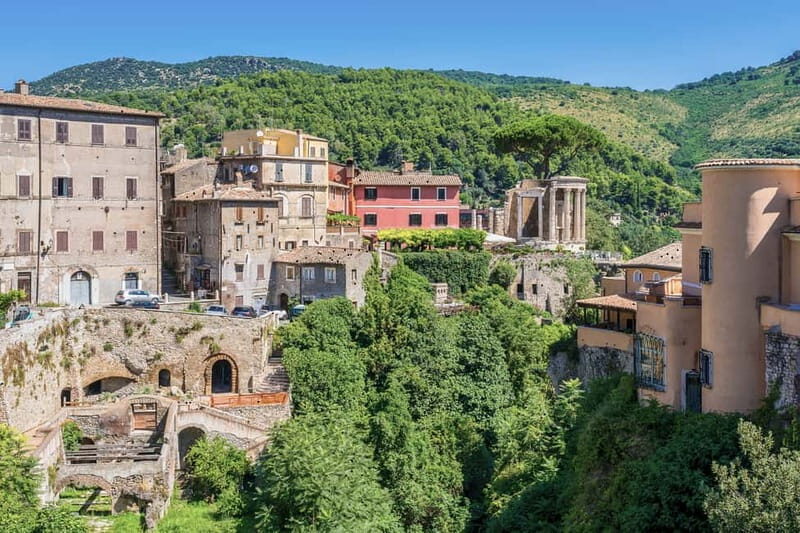
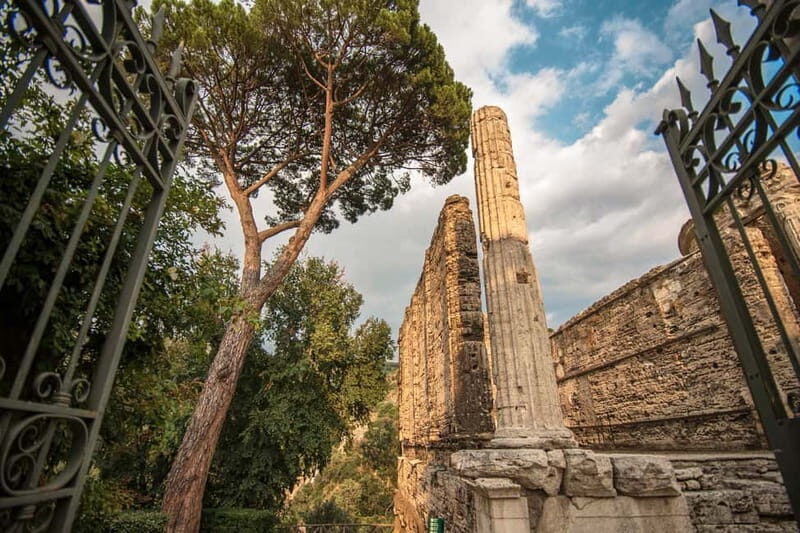
Villa Gregoriana isn’t only about the big postcard moments. The park also includes the remains of older structures, including the Villa of the Roman Consul Manlius Vopiscus. You’ll also see other ancient building remains as you move along the trails.
This is where your visit becomes more “walking with a story” than “walk and look.” Even without a guided format, you can get a lot out of simply slowing down at the places where structure remains are visible. You’re looking at the footprint of lives and power from different eras, all within a park that was later repurposed and redesigned for a completely different goal.
If you’re the kind of traveler who enjoys standing still for two minutes and spotting details—stone shape, placement, what might have been where—you’ll probably find this section more rewarding than you expect.
What the self-paced route means for your planning
You buy an entrance ticket, not a long, scheduled guided tour. That means you’re responsible for how you pace the visit. The good news: you’re in control. The less-good news: your experience will depend on how you navigate within the park.
I’m basing this on what I’ve seen people struggle with in similar self-guided historical parks, and one specific review even called out that the map given at the entrance wasn’t very precise. The workaround is simple: treat the first 10–15 minutes as orientation time, not a race. Pick your main targets—Great Waterfall, then Neptune grottoes—and let everything else be a bonus you discover between them.
If you like to plan tightly, you might still feel you need to make choices while walking. If you’re flexible, that same uncertainty turns into freedom. Either way, give yourself enough time to adjust.
Terrain and comfort: stairs, uphills, and knee-friendly decisions
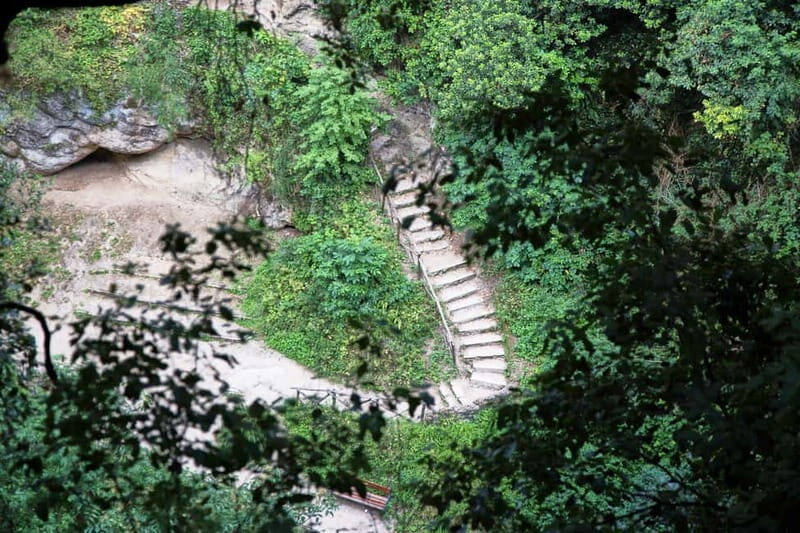
Plan for physical effort. Reviews mention lots of stairs and significant uphill/downhill walking. That’s not a dealbreaker for most people, but it’s important for accurate expectations.
If you have knee issues, limited mobility, or you’re traveling with someone who struggles with steps, I’d think carefully before choosing this day as your big sightseeing workout. You can still enjoy the park, but you may need to shorten your route or take more breaks than your “normal” pace.
Comfort basics that actually matter here:
- Wear shoes with grip; paths can be uneven.
- Bring water, especially in warmer months, since no food or drinks are included with the ticket.
- If you’re sensitive to stairs, plan fewer long legs and more stops.
Timed entry, closing times, and how to avoid a rushed visit
Your ticket experience runs for about 2 hours, and starting times are offered based on availability. That’s helpful because it prevents the park from feeling chaotic. Still, be aware that closing times can vary depending on when the sun sets. In other words: your schedule needs a little wiggle room.
If you arrive close to the end of the day, you might feel pressured. Better approach: go earlier, then finish while you still have energy for the grotto and ruins.
Also, one review mentioned confusion about a time given for collecting tickets, when entry timing didn’t exactly match what people expected. The takeaway isn’t to stress over it—it’s to confirm your entry time and then allow a small buffer so you’re not sprinting around Tivoli.
Price and value: $11 for a lot of scenery time
At about $11 per person, this entrance ticket is priced in the “fair and functional” range for what you get. You’re paying for access to a place that combines waterfall views, grottoes, and Roman ruins, all with self-directed walking. There’s no need for extra paid activities if your goal is simply to see the park and spend time outdoors.
The main value trade-off is that food and drinks aren’t included. That doesn’t make the ticket bad—it just means you should plan your refreshment stop separately, or bring what you need depending on local rules. Think of the ticket as paying for the entry itself and the walking experience, not for a full on-site day package.
If you’re visiting Tivoli and want one worthwhile nature-and-history stop without spending half the day indoors, Villa Gregoriana makes a strong case. It’s also ideal if you like photo stops that don’t require a tour bus timeline.
Who this ticket is best for
Villa Gregoriana works well for:
- Couples and friends who want nature time with historical stops
- Travelers who enjoy self-guided wandering and don’t need every second explained
- People who like waterfalls plus the Roman-layer feeling of Lazio
- Anyone looking for a short, high-reward outdoor visit near Tivoli
It may be a less comfortable fit for:
- People who struggle with stairs or frequent uphill/downhill walking
- Travelers hoping for an easy, fully flat stroll with minimal effort
A few extra practical notes
The park has practical baby facilities: baby changing tables and bottle warmers are available. If you’re traveling with young kids, that’s genuinely helpful.
The experience is provided by FAI – Fondo Ambiente Italiano, which is a name you’ll often see attached to Italy’s preserved places. That usually means you can expect the site to be maintained enough for a visitor-focused route, even though you’re not on a traditional guided itinerary.
Should you book Villa Gregoriana?
Yes—if you want a value-focused ticket to a park that blends the Great Waterfall, Neptune grottoes, and Roman remains in one walk. The $11 price makes it easy to justify, and the 2-hour window fits into most Tivoli days.
I’d book with care if stairs and hills are a concern. You can still enjoy the park, but you should plan a route that respects your pace, and consider going earlier to avoid closing-time pressure.
If your perfect day includes fresh air, water sounds, and bits of ancient Rome between trees, Villa Gregoriana is a very sensible choice.
FAQ
FAQ
How much is the Villa Gregoriana entrance ticket?
The price is listed as $11 per person.
How long do I have at Villa Gregoriana?
The experience duration is listed as 2 hours.
What’s included with the ticket?
Your ticket includes entry to Villa Gregoriana Park.
Is food or drinks included?
No. Food or drinks are not included.
What are the main sights in the park?
Key sights include the Great Waterfall, the Grottoes of Neptune, and the Temple of Vesta area, plus ancient building remains such as the Villa of the Roman Consul Manlius Vopiscus.
Is there a specific starting time I need to follow?
Yes. Starting times depend on availability, and the experience is planned around a 2-hour visit.
Does the park close at a fixed time?
Closing times might vary depending on when the sun sets.
Are there baby facilities at the park?
Yes. Baby changing tables and bottle warmers are available at the park.
Can I cancel and get a full refund?
Yes. Free cancellation is available up to 24 hours in advance for a full refund.