REVIEW · NAPLES
Pompeii & Herculaneum Guided Tour – High Speed Train from Rome
Book on Viator →Operated by Askos Tours · Bookable on Viator
Two ruins, one long but smart day.
I like how this trip saves real hours with high-speed train travel, then turns the day into a guided walk where you’re not guessing what you’re seeing. My other big win is the archaeologist-led storytelling, from street life to what the eruption changed overnight. The one drawback to plan for: it’s a lot of walking in Pompeii, where shade is scarce and the pace can feel tight if you want to linger.
You’ll start your Rome-to-Naples train independently (tickets arrive one day before), then you’ll meet the group in Naples near Naples Central Station at Starhotels Terminus. The headsets help a ton, and the group size is capped at 20, so you can actually hear and ask questions when you stop. Pompeii is the long, sprawling one; Herculaneum is smaller and tends to feel easier to take in.
In This Review
- Key Reasons This Pompeii + Herculaneum Tour Gets High Marks
- High-Speed Rome to Naples: The Time Saver You Can Feel
- Before You Meet the Group: How the Rome Termini Part Works
- Meeting at Starhotels Terminus: What to Expect in Naples
- Entering Pompeii Through Porta Marina: Streets, Homes, and Daily Life
- The Pompeii Break at MaxiMall: A Helpful Reset, Plus Deals
- More Pompeii Stops After the Break: Small Moments That Add Up
- Herculaneum: Two Hours That Feel Different (For Good Reason)
- Headsets, Timing, and Group Flow: How the Day Stays Manageable
- Return to Naples and Back to Rome Termini
- Pace and Practical Tips (So You Enjoy It, Not Just Survive It)
- Price and Value Math: What You’re Really Paying For
- Should You Book This Pompeii and Herculaneum Day Trip?
- FAQ
- Is this tour in English?
- Where do I meet the group in Naples?
- Do the guides meet you at Rome Termini?
- What’s included in the price?
- How long is the tour?
- What is the cancellation policy?
Key Reasons This Pompeii + Herculaneum Tour Gets High Marks
- High-speed rail + minibus timing that keeps the day moving without chaos
- Skip-the-line style entry and planned access through major gates
- Archaeologist guides who explain the city layout and daily life, not just dates
- Headsets for clear narration even when the group moves
- Herculaneum’s preservation advantage versus Pompeii’s wider, busier feel
- A real midday reset at MaxiMall Pompeii with a welcome kit and discount card
High-Speed Rome to Naples: The Time Saver You Can Feel
This is built for people who want to see Pompeii and Herculaneum but don’t want to lose half a day just getting there. The tour runs about 11 hours 30 minutes, with roundtrip high-speed train tickets from Roma Termini and then a minibus transfer in Naples.
The value isn’t only the transport. It’s what the transport buys you: more time at the ruins with a guided context. When you’re paying about $204.38 per person, you’re really paying for three things bundled together—the train, the guided experience, and the logistics that keep you from starting your day with a headache.
I also like the group cap (maximum 20 travelers). On big-day outings, that size usually means less scrambling and better pacing than the “herd across town” tours. You’ll still be walking, but you’re less likely to get separated in the process.
You can also read our reviews of more guided tours in Naples


Before You Meet the Group: How the Rome Termini Part Works
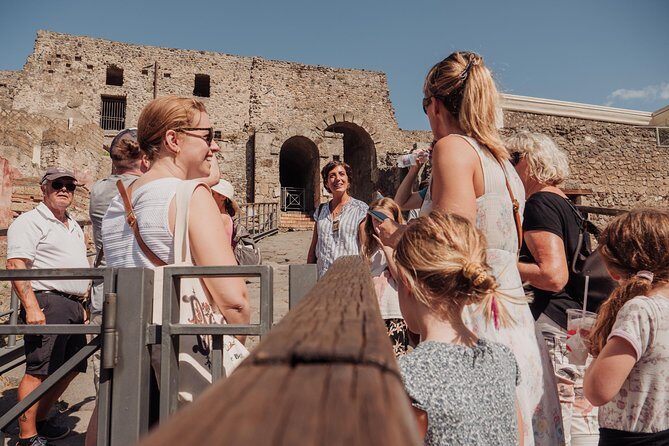
Here’s the key detail: your guide does not meet you at Rome Termini. You’ll begin independently from Roma Termini, because your train tickets are sent to you one day before the tour.
That means you control your departure timing from Rome. It also means you should double-check which Naples stop you’re actually aiming for. One traveler tip I found useful: there can be more than one Napoli stop, so make sure you wait for the one that matches your plan rather than hopping off at the first Naples arrival you see.
Once you arrive in Naples, you’ll head to the meeting location at Starhotels Terminus, in Piazza Giuseppe Garibaldi, right across the street from Naples Central Station. That’s where you’ll connect with the local guide and the Askos Tours driver who bring the day’s “train then ruins” rhythm together.
Meeting at Starhotels Terminus: What to Expect in Naples

When you reach Starhotels Terminus, you’re not just finding a building. You’re finding the handoff point that keeps the day smooth. You’ll meet the local guide and the driver, and then the group heads for Pompeii.
This transfer piece matters more than it sounds. Pompeii and Herculaneum aren’t “grab a taxi and go” destinations if you want everything to run on schedule. Having a driver and minibus means you spend your energy on the sites, not on solving local transit math.
Also, keep your ID or passport handy. You’ll want it with you anyway, especially since the day is structured around timed train segments and site access.
Entering Pompeii Through Porta Marina: Streets, Homes, and Daily Life
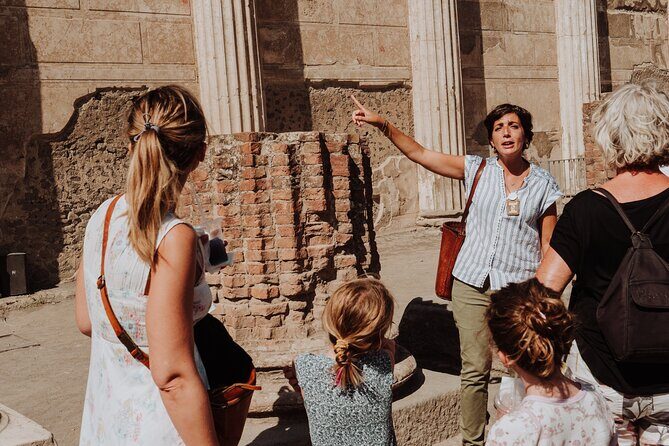
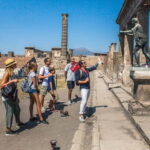
Pompeii is huge, so the smartest way to tour it is with structure. This visit starts at Porta Marina, one of the city’s significant gateways. From there, you move into a guided route that explains the city’s layout and what life looked like before 79 AD.
The first walk you do is down Via dell’Abbondanza, a central artery that helps you get your bearings fast. Then the tour tightens into specific “how people lived” stops:
- House of Menander: a look at domestic space and the kind of art and design owners showed off.
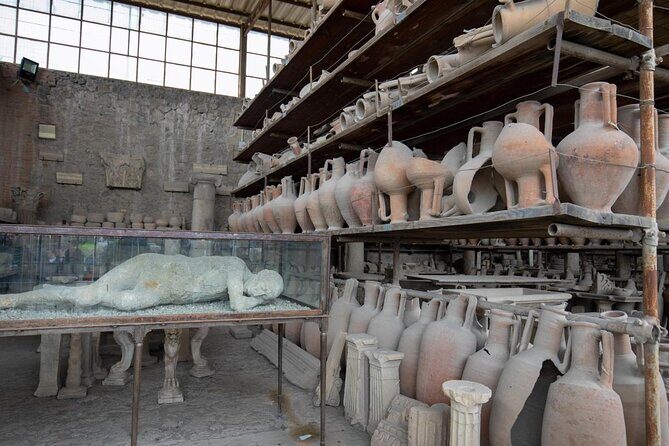
- Granaries of the Forum: food storage and the machinery of civic life.
- Stabian Baths (Terme Stabiane): public bathing culture and how social life worked around daily routines.
- The Lupanar (brothel of Pompeii): not every tour handles this topic well, but with a trained archaeologist you at least get context for why it’s there and what it tells you about the city.
Then you head into more “wow” architecture and viewpoints:
- House of the Faun: one of the big-name residences, often used to teach how wealth showed up in a Roman home.
- Odeon / Teatro Piccolo and Teatro Grande: theatres that show you Pompeii wasn’t just markets and homes. It had entertainment and public gathering.
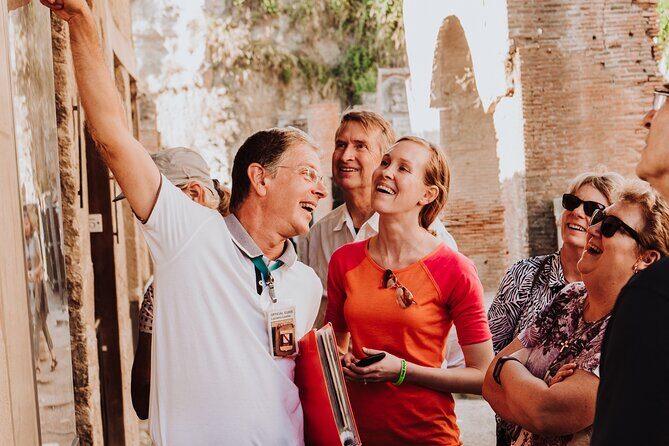
A big plus here is the guide format. You’ll have headsets, and that helps when you stop at a doorway or courtyard and need to hear the explanation without playing “guess the next sentence.” The better guides also help you connect rooms to ideas: how space worked, what people valued, and why certain structures mattered.
One caution: Pompeii has very little shade, and the ground is uneven in places. Combine that with lots of stop-and-go walking, and your feet will feel it. If you’ve got knee or leg issues, you’ll want to take that seriously rather than trying to power through.
The Pompeii Break at MaxiMall: A Helpful Reset, Plus Deals
Midway through Pompeii you’ll get a planned break at MaxiMall Pompeii, described as the largest shopping center in Southern Italy. The stop is about 50 minutes, and it’s there for practical reasons: a rest, AC (when available), bathrooms, and a chance to grab something to eat if you want.
The tour also gives you an exclusive welcome kit and a discount card for stores at MaxiMall. Meals and drinks aren’t included, so this break is basically your built-in chance to handle food without rushing back out to the ruins.




More Pompeii Stops After the Break: Small Moments That Add Up
After the break, the Pompeii route continues with more focused stops that help round out the “city as a whole” picture:
- House of the Deer: a residence-type stop that continues the domestic theme.
- La Terrazza di M. Nonio Balbo: a terrace viewpoint tied to how wealth and status shaped space.
- College of the Augustales: a civic-religious angle that shows how communities organized beliefs and social roles.
These are shorter stops, but they matter. Pompeii isn’t only about big monuments. You start to understand the textures of the place when you compare home life, public institutions, and social spaces in sequence.
Herculaneum: Two Hours That Feel Different (For Good Reason)
If Pompeii is the broad stage, Herculaneum is the tighter story. You’ll transfer to the Archaeological Park of Herculaneum and spend about 2 hours there, including guided time.
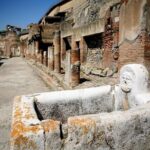
The payoff is how well Herculaneum preserves details. Many people find it more readable: frescos and mosaics can still be seen, and the overall “feel” of the city can be easier to grasp because it’s smaller. You get to move through a set of highlights that sketch how homes and public areas worked together.
The route includes:
- Partem Domus lignea (Casa del Tramezzo di Legno): wooden partition area—helpful for understanding layout and material life.
- House of the Skeleton: a dramatic stop tied to the human story of the disaster.
- Central Thermae: bathing spaces again, but seen through a different preserved lens.
- Casa del Rilievo di Telefo: a relief-focused look at art and storytelling.
- Casa Sannitica: another domestic stop that adds to the breadth of home life.
- House of the Fine Courtyard: a courtyard perspective that helps you picture daily circulation and light.
- House of the Grand Portal: how entrances and public-facing facades signaled importance.
- House of the Black Salon: a darker interior theme that gives you something visually memorable to carry home.
When a guide has the right rhythm, Herculaneum can feel less like rushing and more like reading a well-preserved page. Still, plan for walking. And because the day is timed around the train back to Rome, you won’t have unlimited time to wander.
Headsets, Timing, and Group Flow: How the Day Stays Manageable
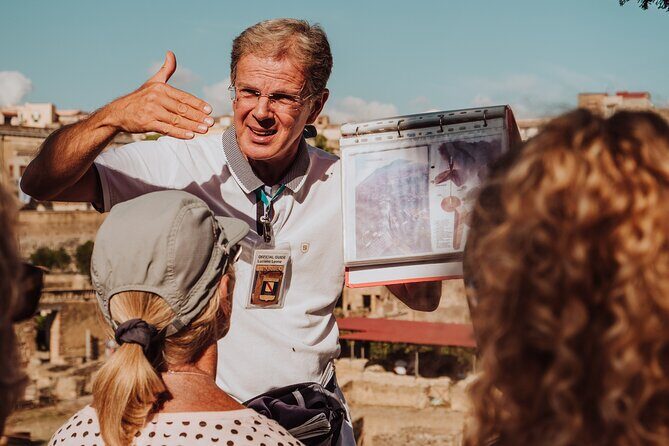
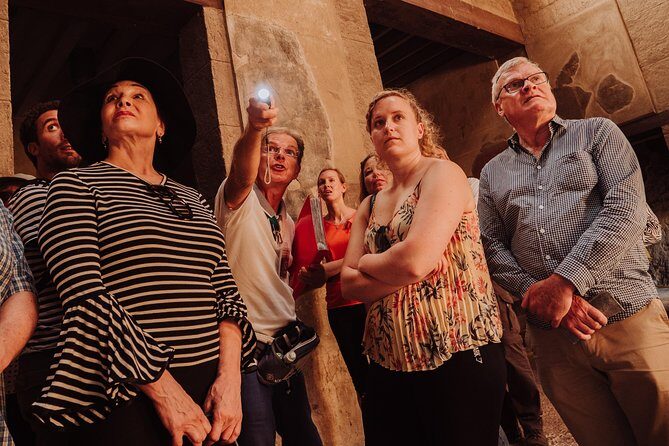
The tour includes headsets, and that’s a serious quality-of-life detail in places like Pompeii where wind, crowd noise, and group movement can make narration hard to catch.
The group size cap (20 travelers) plus headset use also changes your experience. You can stop and ask questions without doing the frantic “who’s next in line?” dance.
One more flow tip: the schedule is designed around train departure times. That’s why you’re not going to get hours of free roaming inside Pompeii. You’re getting a guided sweep with key stops, and you’ll have to decide whether you want a structured highlights route or a slower, independent deep exploration.
Return to Naples and Back to Rome Termini
After the Herculaneum visit, you’ll drive back to Naples. The minibus drops you near Naples Central Station, so you can walk to your platform and board your train back to Rome independently.
Then you end at Roma Termini. This is one of the smoother ways to do Pompeii and Herculaneum because the return train is also baked into the plan. You’re not left figuring out buses at the end of an already long day.
Pace and Practical Tips (So You Enjoy It, Not Just Survive It)
This is a long day. It’s not just the ruins. It’s the train rides, the transfer, the walking, and the fact that Pompeii and Herculaneum are both outdoor archaeological parks.
A few practical things that make a real difference:
- Wear comfortable, supportive shoes. Roads and paths can be uneven.
- Bring sun protection. Pompeii has very little shade.
- Plan for food. Meals aren’t included, so use the MaxiMall break to handle lunch.
- If you’re traveling with luggage, don’t assume the minibus has space. A luggage deposit at or near the station is recommended.
- Bring your ID/passport.
If you have leg or knee issues, consider whether doing both sites in one day is worth it. Several people noted it can be strenuous on the feet. For those with mobility limits, a single-site visit might feel more comfortable.
Price and Value Math: What You’re Really Paying For
At $204.38 per person, this doesn’t look like a “cheap day trip.” But it’s also not just a bus ride to ruins. You’re getting:
- Roundtrip high-speed train tickets (Rome Termini to Naples and back)
- Minibus transfers from/to Naples Central Station
- Entrance tickets for Pompeii and Herculaneum
- Guidance in Pompeii and Herculaneum by an archaeologist
- Headsets
- MaxiMall Pompeii welcome kit + discount card
The entry fees listed for adults give you a sense of what ruins cost on their own: Pompeii €20 and Herculaneum €16. Since the tour includes ruins entry as part of the package, you’re not paying those on top.
Then there’s the intangibles: skip-the-line style access, the licensed archaeologist explanations, and the way the stops are selected so you get both everyday life and big public spaces. That’s what turns a pile of ruins into a story you can remember.
Should You Book This Pompeii and Herculaneum Day Trip?
I’d book it if you want a high-structure day with minimal logistics stress and a guide who can connect the dots. It’s ideal if you like history but also like having a route planned so you’re not wandering Pompeii trying to figure out what matters most.
I’d think twice if you need tons of downtime, have mobility limitations, or you’re the type who wants to linger in one courtyard for an hour. Pompeii in particular can feel like a sprint unless you’re comfortable with heat, uneven ground, and a long walking day.
One last helpful note: Askos Tours has used archaeologist guides including Michele (and other named guides like Alfredo, Raphael, Bruno, Carmine, and Gennaro in past departures). Whoever you get, you’re signing up for interpretation from someone trained to explain what excavations reveal and why details matter.
If that’s your style, this is a strong way to do Pompeii and Herculaneum in one day without wasting time in transit.
FAQ
Is this tour in English?
Yes. The experience is offered in English.
Where do I meet the group in Naples?
You meet at Starhotels Terminus, in Piazza Giuseppe Garibaldi, across from Naples Central Station. The start address is P.za Giuseppe Garibaldi, 91, 80142 Napoli NA, Italy.
Do the guides meet you at Rome Termini?
No. You start independently from Roma Termini Station, and your guide joins you after you arrive in Naples.
What’s included in the price?
The package includes roundtrip high-speed train tickets, minibus transportation in Naples, Pompeii and Herculaneum entry tickets, guidance in Pompeii and Herculaneum by an archaeologist, a branded welcome kit and discount card for MaxiMall Pompeii, and headsets. Meals and drinks are not included.
How long is the tour?
The duration is about 11 hours 30 minutes.
What is the cancellation policy?
You can cancel for free up to 24 hours before the experience’s start time for a full refund. If you cancel less than 24 hours before, the amount paid isn’t refunded.