Neapolitan pizza has a secret.
In this small-group class near Piazza Plebiscito, you’ll learn Neapolitan pizza dough and classic tiramisù with a real English-speaking pizzaiolo (names you might meet include Luigi, Alessia, or Emanuela). It’s the kind of hands-on lesson that turns a dish you already like into a dish you can actually repeat at home. Best part for me is that you don’t just watch. You make it, then you eat it with included wine and either sorbet or coffee, while you sit down in the same pizzeria setting the class is based in.
The downside is timing. The session is short (about two hours), so the instruction is fast, and you may not get to see every stage of dough fermentation in the exact way you’d do it at home. It can feel a bit like speed-run pizza science.
In This Review
- What the experience is like in plain terms
- Key things I’d highlight before you go
- Where you’ll be: Via San Carlo by Piazza Plebiscito
- Dough and tiramisù: how the class typically flows
- Tiramisù steps, from method to assembly
- Neapolitan pizza dough and tomato sauce
- The oven moment: what to pay attention to
- What you actually eat: bruschetta, wine, pizza, tiramisù
- Price and value: what $72.59 buys you
- Logistics that matter: pacing, heat, and shared space
- How to get the most out of the lesson at home
- Who should book this Naples pizza and tiramisù class
- Should you book this pizza and tiramisù class?
- FAQ
- How long is the pizza and tiramisù making class in Naples?
- Where do I meet for the class?
- Is the class offered in English?
- What will I make and eat during the workshop?
- Are drinks included?
- How big is the group?
- Is the class practical or mostly theory?
- Do I get recipes or instructions?
- Is service animal access allowed?
What the experience is like in plain terms
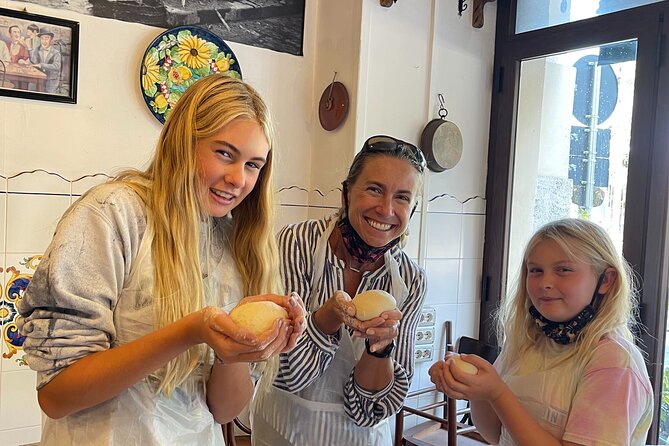
You’ll start with tiramisù, moving from a theoretical explanation to practical steps, then pivot to pizza. Expect fresh ingredients and equipment provided, plus a true focus on technique: how dough should behave, how tomato sauce should be built, and how to get that classic Neapolitan result rather than a generic “pizza night at home.”
There’s also a social element that works even if you’re traveling solo. With a maximum of 15 people, you’re not swallowed by a crowd, and the instructor can correct what you’re doing. A nice touch from past classes: many people leave with written instructions/recipes, so you can actually use what you learned later.
Key things I’d highlight before you go
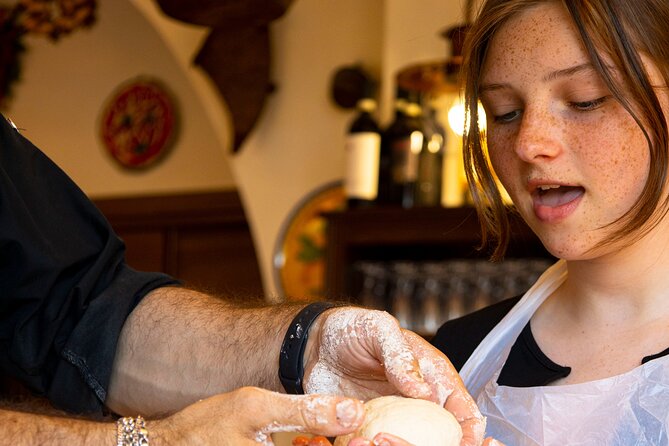
- Small group, real instruction: max 15 travelers, with an English-speaking chef/pizzaiolo guiding you through dough and tiramisù.
- Technique over toppings: you’re taught how to handle the dough and tomato sauce, not just how to assemble.
- Tiramisù first, then pizza: two classic recipes in one session, so you’re cooking the whole time.
- Included meal with a drink: you’ll eat your bruschetta, pizza, and tiramisù, with wine plus sorbet or coffee.
- You get a view while you eat: the class includes time to enjoy your pizza with views toward Castel Nuovo and the sea area.
- Short format means it’s intense: a couple of guests noted the pace can be quick and questions may be limited.
Where you’ll be: Via San Carlo by Piazza Plebiscito
The meeting point is Via San Carlo, 17 (in Naples). This area is convenient because you’re not sent to the edges of town—you’re close to major central sights. That matters because you can turn this into an easy “food anchor” for your day: you can go sightseeing before or after without burning time on long transfers.
The class runs inside a pizzeria restaurant setting. Some people find it straightforward to locate from central areas, including when they’re staying near port areas (walking distance has come up in feedback). The restaurant is also a working space, not a staged cooking studio, so you’ll feel like you’re learning in the place where Neapolitan pizza is actually made.
Dough and tiramisù: how the class typically flows
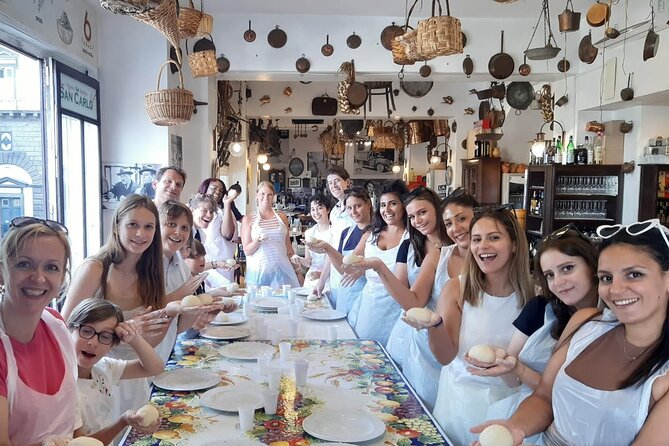
This is a two-part lesson, and the order is intentional.
Tiramisù steps, from method to assembly
You’ll begin with tiramisù. First comes the explanation—how each component works together—then you’ll do the practical assembly. You can think of this as “learning the logic” before you start building. Tiramisù is simple on paper, but small choices (texture, layering, timing) change the final result. Doing it under an instructor helps you avoid common mistakes like uneven layers or a texture that’s too loose.
The class includes fresh, genuine ingredients and the equipment you need. You’re not hunting for items or improvising kitchen tools. That’s a big deal if you’re a visitor who doesn’t want to spend vacation time shopping.
Neapolitan pizza dough and tomato sauce
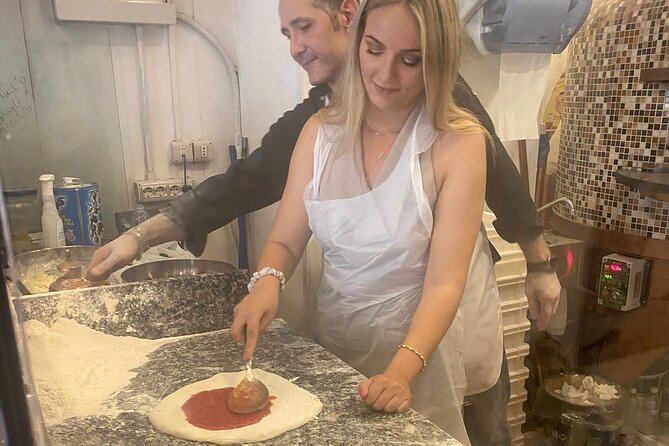
After tiramisù, you move to the pizza side: dough from scratch and tomato sauce. This is where the experience earns its keep, because Neapolitan pizza is all about dough behavior and heat. You’ll learn the secrets of handling the dough, and you’ll also get taught how to prepare the tomato sauce so it tastes like pizza sauce should—balanced, not watery, not overly complicated.
One detail you’ll likely appreciate: the oven part isn’t just “watch this.” The lesson includes how fast Neapolitan pizza cooks once it hits the heat, and how that speed affects technique. In other words, you learn why the dough and sauce preparation matter, not just what ingredients to use.
The oven moment: what to pay attention to
Neapolitan pizza cooks quickly, and that short cook time is part of the identity of the style. In the class, you’ll see the dough fired in a very hot oven, which is a key reason people walk away feeling confident. Once you’ve watched it bake quickly, you understand how to adjust at home—especially if your oven doesn’t get anywhere near the same temperatures.
Watch for how the dough expands and sets. The instructor’s guidance helps you connect the dots between texture (how the dough feels before baking) and the final crust (how it looks after baking). That connection is what makes this kind of class more useful than a basic “make your own pizza” activity where the dough is already ready.
What you actually eat: bruschetta, wine, pizza, tiramisù
You’re not left hungry after you cook. The sample menu is simple and classic:
- Starter: bruschetta
- Main: pizza
- Dessert: tiramisù
And your meal includes a good glass of wine. The experience also mentions sorbet or coffee with your pizza/tiramisù finish. That’s a nice pacing choice. You get the savory satisfaction of pizza, then something lighter (sorbet) or a slightly heavier finish (coffee), depending on what’s offered that day.
A few practical notes for your appetite:
- You’ll likely eat what you make during the meal portion, so come ready to taste.
- Portions are part of why people feel this is good value, since you’re doing a real activity and still sitting down for a full payoff meal.
If you’re the kind of person who worries about cooking classes being all instruction and no dinner, this one is designed to avoid that.
Price and value: what $72.59 buys you
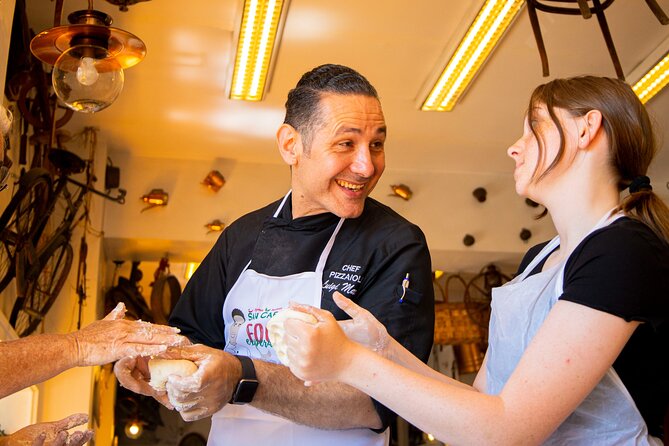
At $72.59 per person for around two hours, you’re paying for three things at once: an instructor-led lesson, fresh ingredients and equipment, and a sit-down meal with wine and dessert.
Compared to paying separately for a tour meal plus a cooking workshop, this format often feels fair—because you’re getting the lesson plus the reward. And since the group is capped at 15, you’re not just “part of a show.” You get technique coaching, particularly for dough and sauce.
Is it a bargain? In Naples, food is everywhere. But this isn’t just eating—it’s learning. If you want to improve your at-home pizza and you don’t mind a short, concentrated session, this price makes sense.
If you’re only curious about tasting and not interested in technique, you might find better value elsewhere. But if pizza is on your trip must-do list, the lesson angle is the point.
Logistics that matter: pacing, heat, and shared space
Here’s the real-world part. The class is around two hours, and the pace can be intense. A couple of people noted it’s hard to process everything if you like to ask lots of questions or go step-by-step slowly.
Also, check your comfort expectations. Some past participants have described the room as very hot, and there was mention of another class (pasta-making) happening at the same time on the same floor. Translation: it can be lively, and you may hear more than you’d expect in a quiet workshop.
That said, the main training is hands-on, and the instructor support helps. If you’re comfortable with a busy restaurant environment and you can handle some intensity in exchange for better instruction, you’ll likely enjoy the class a lot.
How to get the most out of the lesson at home
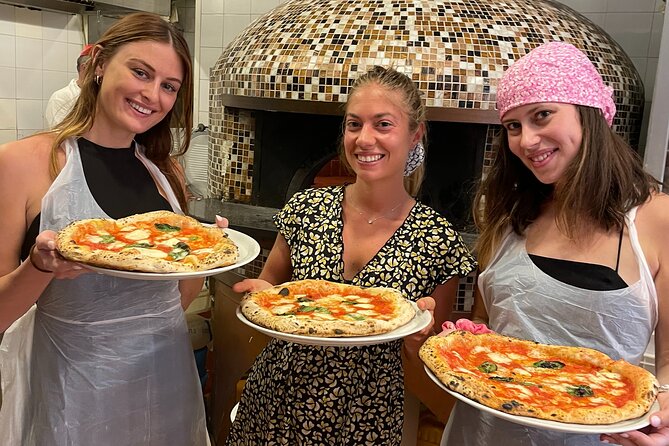
This class is best if you go in ready to learn technique, not just recipes.
Here’s what tends to help:
- Take note of dough handling. That’s the difference between a good pizza and a pizza that feels like a restaurant.
- Pay attention to sauce texture and balance, since Neapolitan pizza sauce is a big part of the flavor.
- Don’t ignore the written instructions/recipes you may receive—people mention getting printed guidance, which makes it easier to recreate later.
- Expect fermentation to be part of the lesson even if you don’t see every stage. One guest pointed out fermentation is about 24 hours, so your home results depend on planning ahead.
If you’re already a pizza person, you’ll still likely pick up at least a few improvements. If you’re a beginner, you’ll still have a clear process to follow—especially because you’re using the provided ingredients and equipment.
Who should book this Naples pizza and tiramisù class
This works great if you:
- want an authentic Naples food experience centered on Neapolitan pizza (Naples is the origin story you want to learn from directly)
- enjoy hands-on cooking instead of museum-style tours
- like pairing “learn something” with “eat immediately”
- are traveling with friends, as a couple, or solo (small group supports all these styles)
It may be less ideal if you:
- hate hot indoor spaces
- need a slow, questions-only pace
- want a long lesson that covers fermentation in real time from start to finish
Should you book this pizza and tiramisù class?
Book it if you want a high-payoff food workshop in central Naples where you learn real technique and then sit down to enjoy a full meal. The included wine and dessert turn it into a complete evening, not a rushed snack-and-leave.
Skip it only if your priority is purely tasting without learning, or if you’re sensitive to heat and a restaurant’s natural noise. Otherwise, this is the kind of Naples activity that gives you both memories and methods you can actually use later.
FAQ
How long is the pizza and tiramisù making class in Naples?
It runs for about 2 hours.
Where do I meet for the class?
The meeting point is Via San Carlo, 17, 80132 Napoli NA, Italy.
Is the class offered in English?
Yes. The class is offered in English.
What will I make and eat during the workshop?
You’ll make tiramisù and Neapolitan pizza, with a menu that includes bruschetta (starter), pizza (main), and tiramisù (dessert).
Are drinks included?
Yes. You’ll have a glass of wine, and the experience also mentions sorbet or coffee as part of the enjoyment with your meal.
How big is the group?
The class has a maximum of 15 travelers.
Is the class practical or mostly theory?
It includes both theoretical and practical instruction, with fresh ingredients and equipment provided.
Do I get recipes or instructions?
Some participants report receiving printed instructions and recipes.
Is service animal access allowed?
Yes, service animals are allowed.