REVIEW · CASTEL GANDOLFO
Borgo Laudato Si’ – Gardens of Villa Barberini
Book on GetYourGuide →Operated by Borgo Laudato Si' - Giardini di Villa Barberini · Bookable on GetYourGuide
You step into a rare kind of quiet. The Borgo Laudato Si’ Gardens of Villa Barberini tour is a one-hour ride that mixes garden beauty with Roman-era remains in the Castel Gandolfo area.
I especially like the mix of time periods. You’re not just looking at plants—you’re traveling through a place tied to the popes and to Emperor Domitian’s villa too. That pairing gives the whole visit a stronger sense of place than a standard garden walk.
One thing to consider: it’s scheduled for about 1 hour, and you won’t get entrance to the Papal Palace. If you’re hoping for a long, inside-the-palace tour, you may feel shortchanged.
In This Review
- Key points to know before you go
- Borgo Laudato Si’ and Villa Barberini: what you’re really seeing
- From Via Massimo D’Azeglio to the Barberini Gardens: how the ride works
- The Domitian villa ruins: the ancient part of the garden tour
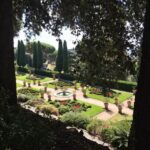
- Barberini Gardens and fountains: what you’ll notice once you’re on site
- Audioguide in Italian or English: making the most of the pacing
- Price and value: is $17 worth it for gardens and ruins?
- Rules that protect the gardens (and what to plan for)
- Who should book this Borgo Laudato Si’ garden route?
- Should you book this tour or pass?
- FAQ
- How long is the Borgo Laudato Si’ – Gardens of Villa Barberini tour?
- Where does the tour start and end?
- What’s included in the $17 ticket?
- Is entrance to the Papal Palace included?
- What items are not allowed during the visit?
- Is the tour wheelchair accessible?
Key points to know before you go
- Integral ecology focus: training for integral ecology tied to the gardens and agricultural area
- Eco-friendly vehicle route: sightseeing without lots of long walking through the property
- Domitian villa remains: you’ll pass archaeological remains as part of the track
- Multilingual audioguide: Italian and English options help you pace the experience
- Meticulous garden care: many visitors comment on the careful, well-kept grounds
Borgo Laudato Si’ and Villa Barberini: what you’re really seeing
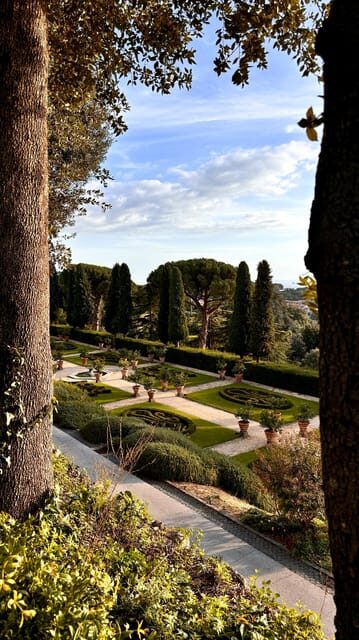
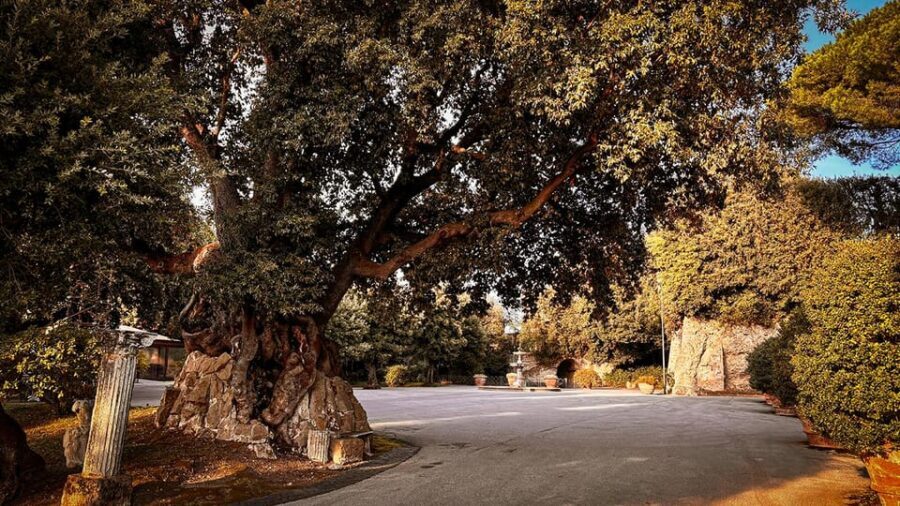
This experience is set in a big garden-world with deep roots. You’re visiting the gardens belonging to the Papal Villas at Castel Gandolfo, specifically the Villa Barberini Gardens within Borgo Laudato Si’. The property is described as a botanical and historical heritage site with 35 hectares of gardens and an additional 20 hectares of agricultural land.
What makes it more than a pretty stop is the layering. You’ll see carefully tended plant collections—3,000 plants and trees across about 300 different species—and you’ll also travel through archaeological remains connected to Emperor Domitian’s villa. That’s a rare combo: formal “garden visit” energy plus “wait, this is ancient” moments.
The tour also has an extra mission in the background. The gardens are used for training in integral ecology, open to people of good will. In practice, you’re not sitting through a lecture. You’re moving along a route where nature, history, and the idea of responsible stewardship are part of the story you hear through the audioguide.
And the setting matters. Castel Gandolfo is famous for the papal connection, and this gardens stop is described as the summer residence of the popes. You won’t necessarily get palace interior access (more on that soon), but the overall vibe and historical framing are built into the visit.
You can also read our reviews of more tours and experiences in Castel Gandolfo.

From Via Massimo D’Azeglio to the Barberini Gardens: how the ride works
Your tour starts at Via Massimo D’Azeglio. Then you move to the Barberini Gardens by eco-friendly vehicle. The visit duration is about 1 hour for the garden portion, and you return to Via Massimo D’Azeglio at the end.
That eco-friendly vehicle detail is not just marketing fluff. The route is designed to wind through the ruins and then along garden avenues and fountains. In other words, you’re not meant to do a full DIY hike across the entire 35 hectares. You get the key sightlines and historical beats without turning the day into “walk until you’re tired.”
You should also know that the tour includes a driver who speaks Italian and English, and it comes with a multilingual audioguide. That matters because the grounds are full of information. An audio format lets you slow down at your own pace, rather than trying to keep up with a fast-moving guide.
If you like calm travel, this style fits. Several visitors highlight how the silence and the audioguide pairing feels like the right rhythm—information without constant commentary. In a place like this, that’s a big deal. You can actually take it in.
The Domitian villa ruins: the ancient part of the garden tour
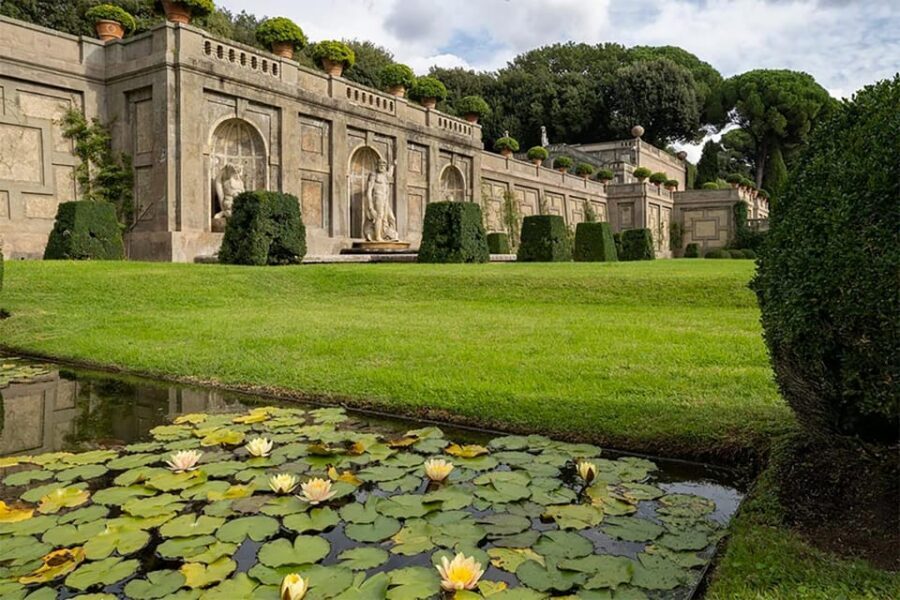
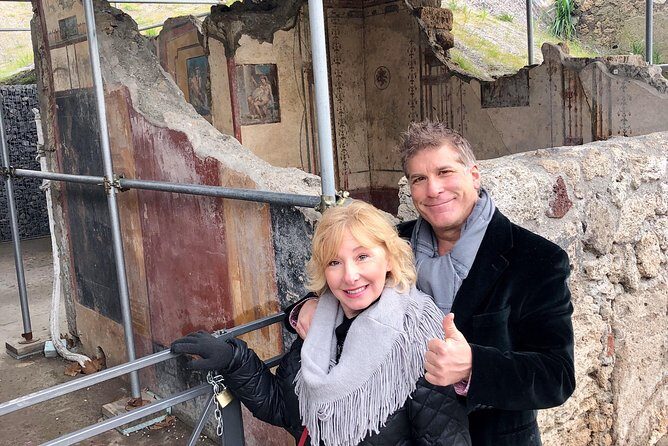
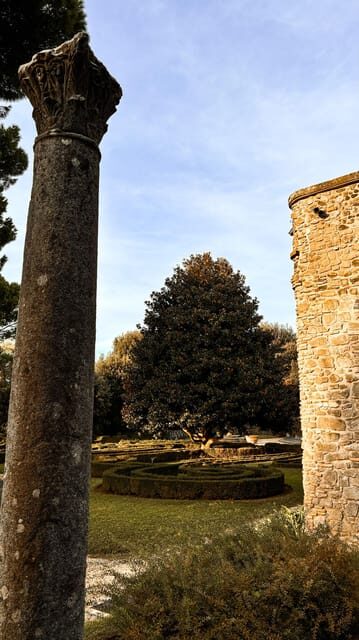
One of the coolest parts of this experience is that the route passes through the ruins of Roman Emperor Domitian’s villa. That’s not a side note. It’s part of the planned track.
As you ride, you’ll see remnants of that ancient setting mixed into a landscape that later became a garden and cultural space. This is why the tour works: you’re not just looking at nature and then switching to history. The history is there inside the route itself.
You’ll also be traveling along avenues that flank the gardens and the fountains. So the ancient remains aren’t presented as a separate “ruins section.” Instead, you get a sequence—ruins, then garden paths and water features—so your brain can connect why the place was worth preserving and why it kept being used.
And yes, the term integral ecology shows up here too. The tour is framed as training in integral ecology, using the gardens and the agricultural area as a kind of living classroom. Even without a lecture, seeing both botanical collections and archaeological remains encourages a different kind of attention: how past and present sit side by side when people manage a place carefully.
Barberini Gardens and fountains: what you’ll notice once you’re on site
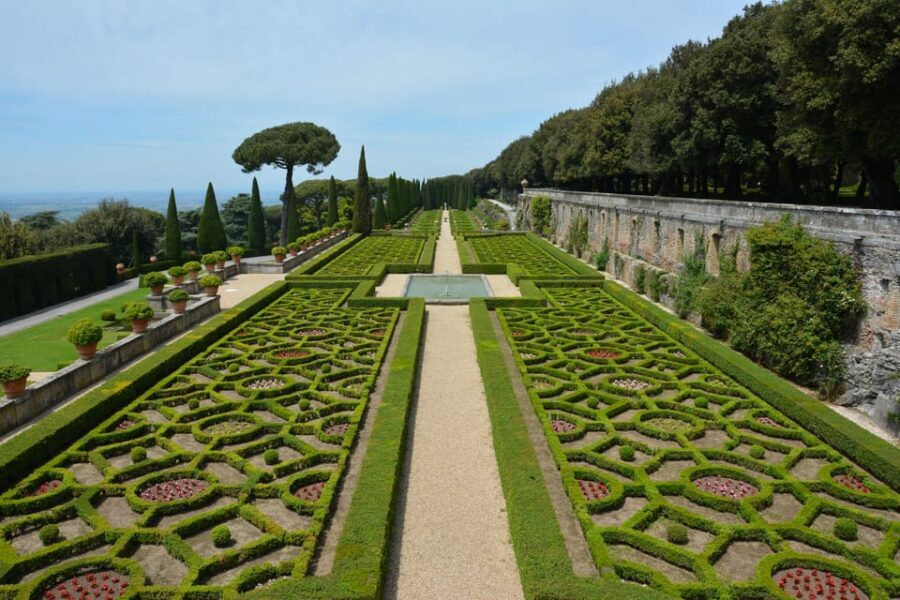
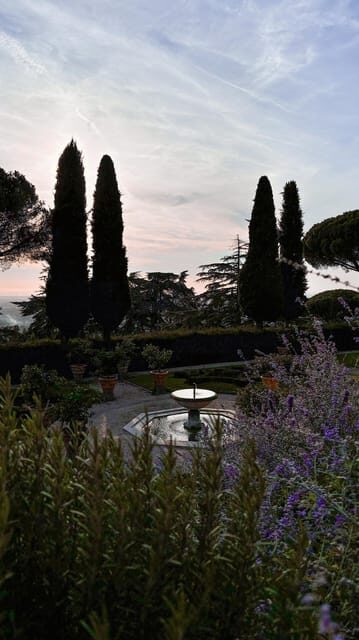
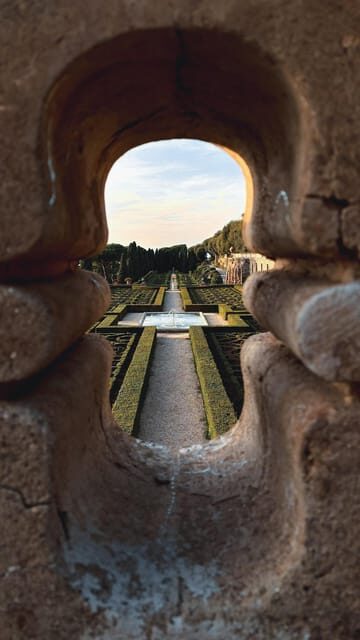
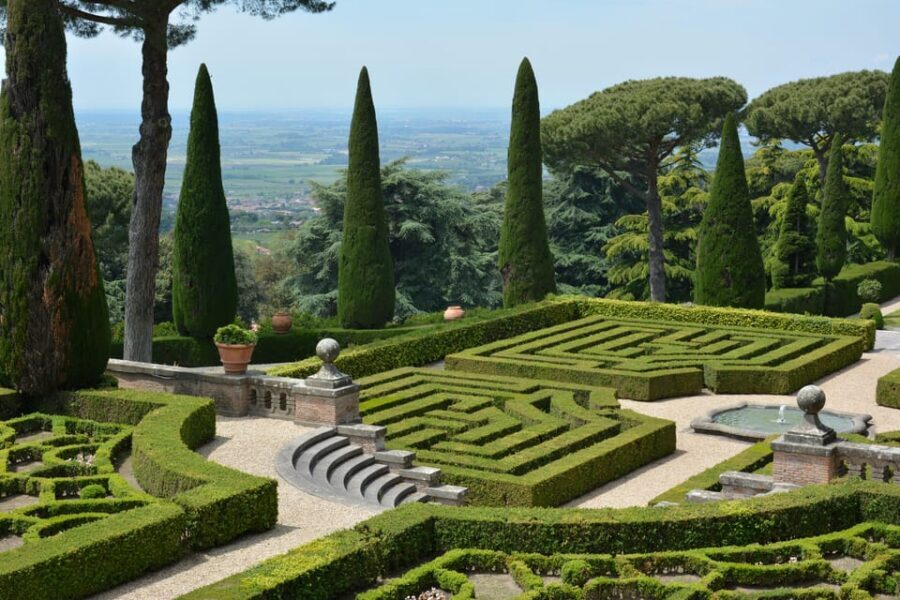
Once you arrive at the Barberini Gardens, you get about an hour of sightseeing. The description emphasizes gardens that line majestic fountains and broad avenues. That combination usually means two things for your experience.
First, the visuals tend to be structured. You’re guided through spaces that feel composed: paths that lead your eyes, fountains that add movement and sound, and garden areas designed to be seen from the right angles.
Second, you’re likely to get a steady flow of “pause moments.” The audioguide helps you turn those short pauses into something meaningful. Visitors specifically praise how the silence works together with the audio narration, and I think that’s a fair expectation here. In a garden setting, constant talking can feel like background noise. This format keeps the mood focused.
There’s also an important context point. The gardens are part of the papal villas area, described as the summer residence of the popes. That framing doesn’t replace the plant facts or the Roman remnants. It adds a third layer: the site as a place of retreat, not only an archaeological artifact or botanical exhibit.
One practical note: because this visit is designed as an organized route in a defined area, you won’t treat it like a free roam wandering day across everything. You’ll see a lot in a short window, but it’s still a guided structure.
Audioguide in Italian or English: making the most of the pacing
You’ll have a multilingual audioguide with the tour. Languages listed are Italian and English. The driver also speaks Italian and English, which is useful if you need quick clarifications at the start or end.
Here’s the practical advantage: audio lets you control how much you want to hear. If you love plant names and garden design, you can focus more on what the guide provides. If you’re more drawn to the archaeology, you can let the audio lead you to those stops and themes.
And because the total garden sightseeing time is about one hour, the audioguide helps prevent the experience from feeling like “just passing through.” In fact, the best feedback you’ll see connected to this tour type centers on the calm setting and how the audioguide fits into it—silence plus narration can make the information land more clearly.
A quick expectation check: the audioguide is there to guide you through the route you’re taking. It’s not a substitute for a full, slow museum-style tour. If you want pages and lectures, you might find this too light. But for most people wanting a memorable Castel Gandolfo stop without burning hours, it’s a strong format.


Price and value: is $17 worth it for gardens and ruins?
The price listed is $17 per person. For a garden site that includes an entrance ticket, an eco-friendly vehicle, and a multilingual audioguide, that’s usually solid value—especially if your goal is to get both nature and history in a compact time window.
What you’re paying for, realistically:
- entry to the garden area tied to the papal villas setting
- transport via an eco-friendly vehicle along the route
- an audioguide in Italian or English
- skip-the-ticket-line service
What you’re not paying for:
- entrance to the Papal Palace (not included)
So the value equation depends on your expectations. If you want a quick but meaningful sampler of Castel Gandolfo—plants, fountains, papal framing, and a Roman-era ruins pass—then $17 can feel like a fair deal for the amount you actually get in an hour.
If you want to go into the palace itself, then the ticket won’t cover that, and you’ll need to plan another stop for that portion of the experience.
Also worth noting: the tour is set up with free cancellation up to 24 hours in advance and reserve now & pay later. That’s the kind of flexibility that matters when weather or schedule shifts in Lazio.
Rules that protect the gardens (and what to plan for)
This site is clearly managed to protect plants and archaeology. Here are the key restrictions you should plan around:
- No smoking
- No food and drinks in the vehicle
- It is forbidden to pick flowers, plants, herbs, or archaeological finds
That last rule is especially important in a garden with both botanical collections and ancient remains. It means you should take photos and enjoy textures without touching. It also means you won’t be able to collect anything as a souvenir, even something small.
Two more practical notes that can affect your day:
- Checkroom service is not available for this type of visit
- The site does not have an internal parking lot
So keep your load light. Come prepared to carry your essentials. If you’re driving, plan that you may need parking outside the immediate site area rather than expecting on-site convenience.
And one more reality check: the tour is listed as not suitable for wheelchair users. If mobility is a factor for your group, it’s worth filtering this option out right away.
Who should book this Borgo Laudato Si’ garden route?
This works best for:
- people who want a short, structured Castel Gandolfo experience (about one hour)
- travelers who like gardens but also want real historical context, not just scenery
- anyone comfortable using an audioguide to set the rhythm
- visitors who prefer being transported through a property rather than doing a long walking loop
It may not be the best fit if:
- you’re set on visiting the Papal Palace interiors (not included)
- you need wheelchair accessibility
- you want lots of free roaming time rather than a guided route with set time
Also, if you enjoy calm settings, this tour’s reputation for quiet pacing lines up with the format: eco-vehicle ride, audioguide, and outdoor gardens. It’s a gentler pace than the typical “crowds and hustle” sightseeing.
Should you book this tour or pass?
Book it if you want a focused Castel Gandolfo stop that combines Villa Barberini Gardens, fountains and avenues, and a ride through Domitian’s villa ruins—all in about an hour, with an audioguide in Italian or English.
Pass on it if your top priority is the Papal Palace itself, since entrance to the palace is not included. Also, if wheelchair access is needed, this one isn’t designed for that.
For most travelers aiming for value, variety, and a respectful, well-managed visit, this is a smart choice. You get both nature and ancient layers in a neat package, and you don’t have to spend half a day figuring out logistics across the grounds.
FAQ
How long is the Borgo Laudato Si’ – Gardens of Villa Barberini tour?
The duration is about 1 hour. Starting times vary, so you’ll want to check availability for the specific slot you want.
Where does the tour start and end?
It starts and ends at Via Massimo D’Azeglio.
What’s included in the $17 ticket?
The ticket includes the entrance, an eco-friendly vehicle, and a multilingual audioguide. Skip-the-ticket-line is also included.
Is entrance to the Papal Palace included?
No. Entrance to the Papal Palace is not included.
What items are not allowed during the visit?
Smoking is not allowed. Food and drinks are not allowed in the vehicle, and you’re forbidden to pick flowers, plants, herbs, or archaeological finds.
Is the tour wheelchair accessible?
No, it is not suitable for wheelchair users.