Rome clicks differently with local eyes. This private, customizable walking tour helps you pair Rome’s biggest highlights with lesser-known stops you’d probably miss. In 2 to 8 hours, you can plan around your interests, from Vatican grandeur to quiet gardens and small-site surprises.
I especially like the private format. It means your pace is your pace, and you can agree on what to prioritize instead of being locked into someone else’s agenda.
My other favorite part is the mix of main sights and hidden secrets. You may see things like the Roman Forum and Colosseum, then swing toward places such as Villa Torlonia or the Doria Pamphilj Gallery, depending on your timing.
One thing to consider: this is led by a local person or expat, not a specialist guide promised to deliver deep, academic-level history. If you want lots of detailed background on every stone, you may need to rely on your guide’s individual strengths.
In This Review
- Key things to know before you go
- How This Private Rome Walking Tour Really Works
- Price and Value: What $53 Covers, and What It Doesn’t
- Choosing Your Best Stop Mix: Famous Sights vs. Hidden Secrets
- Trevi Fountain and the Spanish Steps: Classic Rome, Up Close
- Trastevere: Narrow Lanes and Working-Class Rome
- Vatican City and St. Peter’s: Big Faith, Big Scale
- Colosseum and the Roman Forum: One Area, Two Vibes
- Palatine Hill and Circus Maximus Views: When Rome Opens Up
- Capitoline Museums: A Strong Add-On If You Like Art
- Villa Torlonia and the Parks of Rome’s Quiet Side
- Doria Pamphilj Gallery and MAXXI: Art Without the Usual Pressure
- Tiber Island, San Giovanni in Laterano, and Scala Sancta for the Curious
- Pick the Right Duration: 2 Hours, 4 Hours, or 8 Hours
- Language and Guide Fit: Italian, English, or Chinese
- Should You Book This Rome Private Local-Guided Walk?
- FAQ
- How long is the Rome Private Tour with a Local Guide?
- Is this tour mostly walking?
- Are tickets for museums and other entry-fee attractions included?
- What languages do the guides speak?
- Can I customize the itinerary and choose which places to visit?
- Does the tour run in bad weather?
Key things to know before you go
- Private and customizable route: Pick the mix of famous sights and lesser-seen locations with your guide.
- Walking-first approach: It’s designed to cover a lot on foot, with pickup and drop-off included.
- Hidden stops are real options: Villa Torlonia, Doria Pamphilj Gallery, MAXXI, and more may fit depending on time.
- Entry tickets are not included: Museums and other paid attractions can require separate tickets.
- Language availability can vary: Chinese, English, or Italian are offered, but late bookings may shift to English.
- Guide quality matters: Some guides bring extra humor and local tips, while history depth can vary.
How This Private Rome Walking Tour Really Works
This tour is built around a simple idea: you should move through Rome like a local, not like a robot following a checklist. Your guide meets you in Rome, and the route is flexible enough that you can steer toward what you care about most.
You can choose a 2 to 8 hour window, which is crucial. A shorter tour tends to focus on the strongest concentration of sights, while a longer one gives room for detours into parks, galleries, and quieter corners.
It runs rain or shine, so wear shoes you trust. Rome sidewalks can be uneven, and a private walk still means you’ll cover real distances, even when the stops are spread out.
Price and Value: What $53 Covers, and What It Doesn’t
At $53 per person, the headline value is that you’re paying for a local guide plus hotel pickup and drop-off. You also get a walking tour format, so you’re not just buying a lecture. You’re buying guidance through the city’s layout.
What you should plan for up front is what’s not included. Food and drinks aren’t part of the price, and tickets for paid attractions (like museums) are also not included. If your plan includes the Vatican Museums or other entry-fee sites, you’ll likely need separate tickets.
Another practical point: while it’s described as a walking tour, you may be moving between some areas. The tour notes that public transport isn’t included, and if you agree to use it, you’re asked to pay the tickets for your tour guide as well.
Choosing Your Best Stop Mix: Famous Sights vs. Hidden Secrets
The most useful way to plan this is to treat it like a menu. You’re not guaranteed to do every location listed, and that’s a good thing. You get the freedom to match your time to the mix you want.
The tour also gives a helpful division between standard sightseeing places and examples of hidden secrets. Standard sites tend to be the big anchors where Rome’s story is easiest to recognize. The hidden choices are where you slow down, notice details, and feel more like you’re wandering with someone who actually lives here.
Trevi Fountain and the Spanish Steps: Classic Rome, Up Close
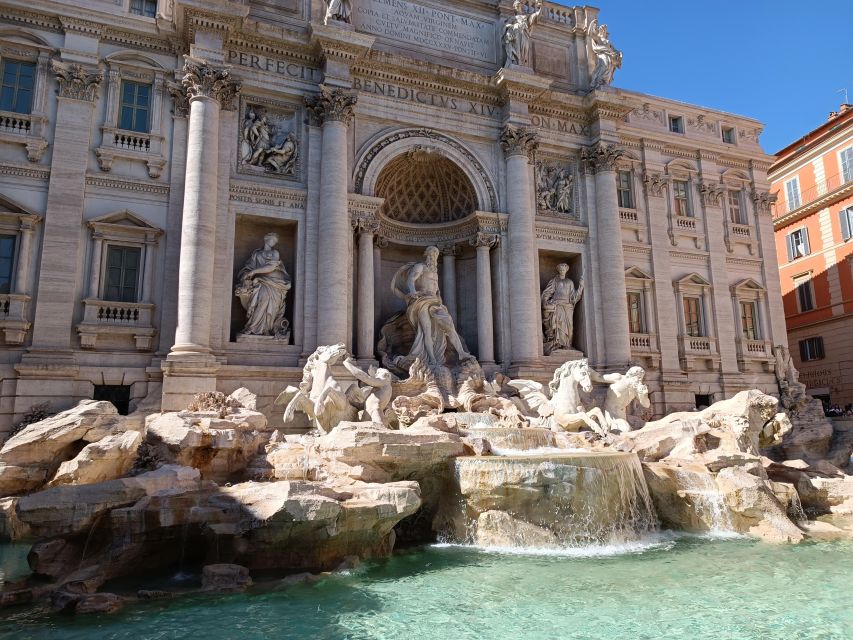
Starting with the Trevi Fountain makes sense because it’s one of the most recognizable Rome scenes. It’s often crowded, yes, but the advantage of a guided walk is timing and strategy: your guide can help you experience it without wasting energy on aimless circling.
Trevi is also a great way to understand how Rome mixes myth and tourism. The fountain’s fame shows up everywhere in movies and stories, and it’s the kind of place where you’ll quickly see why it became a global symbol.
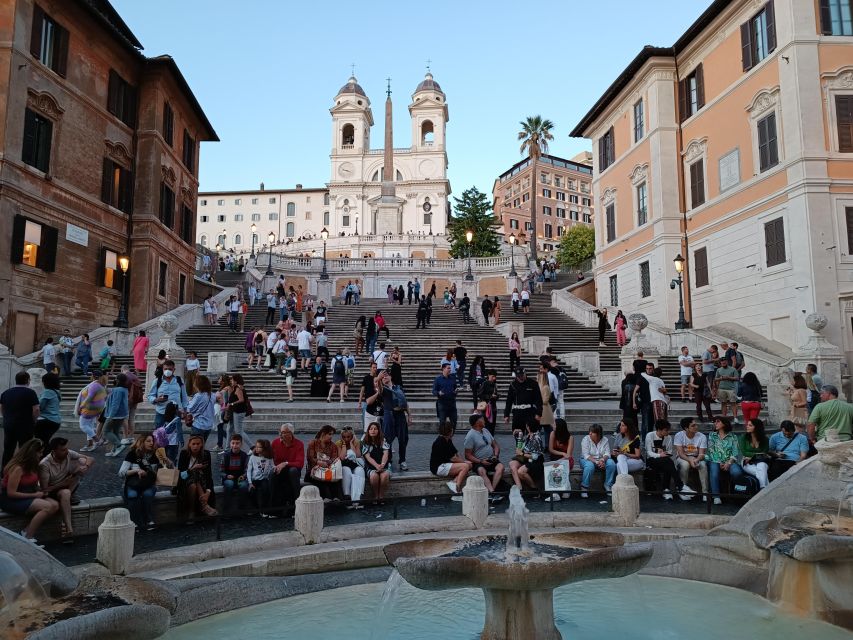
Then you can roll into the Spanish Steps, known for being the longest and widest steps in Europe. This spot works well in almost any itinerary length because it’s a visual anchor and a natural crossroads for nearby neighborhoods.
A small consideration: these two stops can be busy at peak times. A private guide can’t erase crowds, but they can help you avoid the worst dead ends and keep you moving without losing the vibe.
Trastevere: Narrow Lanes and Working-Class Rome
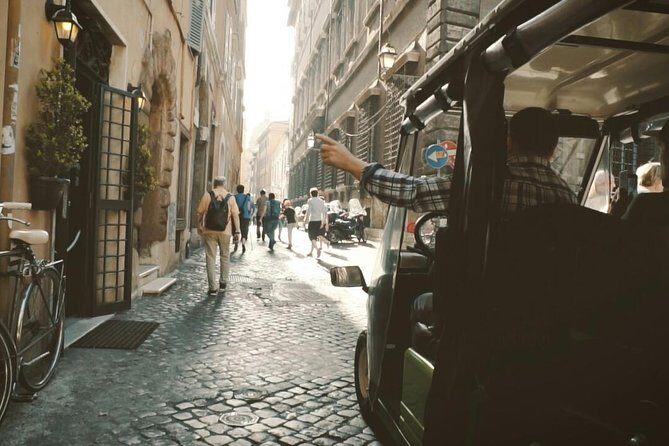
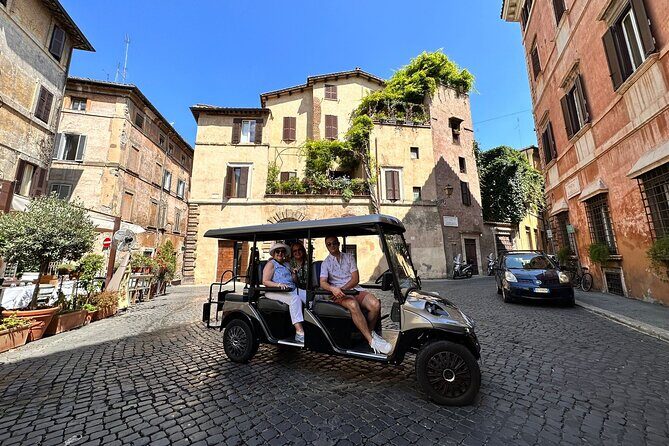
If you want Rome without the “camera-only” feel, the walk toward Trastevere is usually the right move. This neighborhood is described as a working-class area with narrow alleyways, and that matters because it changes how the city feels under your feet.
Trastevere is also an area where you can build in simple pleasures: a coffee pause, a quiet street moment, or a calmer look at everyday life. One guide named Valario was noted as recommending coffee and lunch spots away from the heaviest foot traffic, and that kind of local suggestion can make the whole day feel less scripted.
The drawback is simple: narrow lanes mean more walking. If you book a shorter tour, you’ll want to keep your Trastevere time focused so you don’t spend your whole window moving between side streets.
Vatican City and St. Peter’s: Big Faith, Big Scale
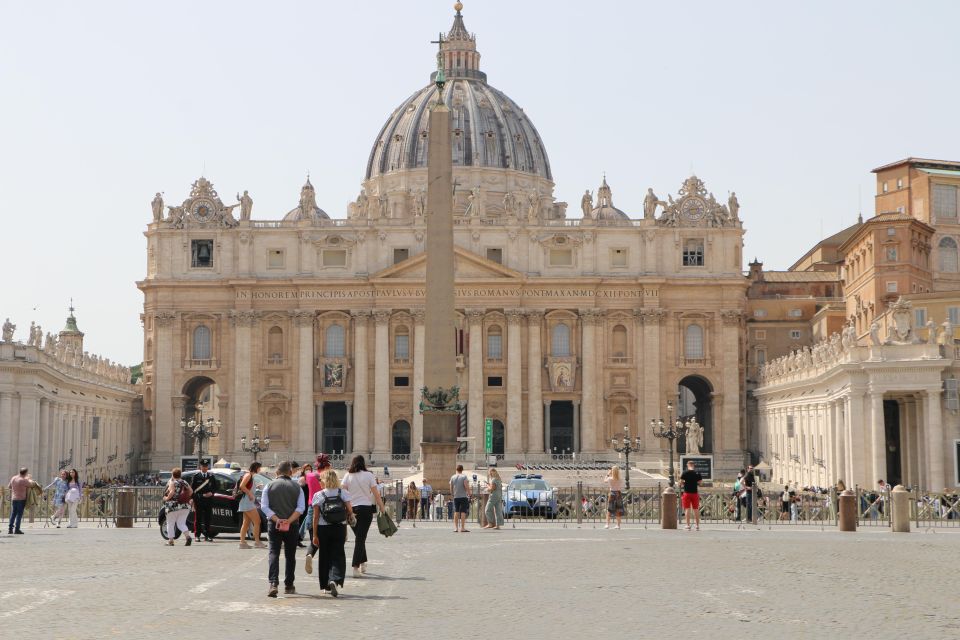
If your itinerary includes the Vatican City area, you’re stepping into a place where religion, art, and archaeology collide. The Vatican is the center of Christianity and also important within the Roman world for its layers of historical significance.
You might also visit the Vatican Museums, which are known for extensive collections and papal connections. A practical warning: since tickets for entry-fee attractions aren’t included, you need to be ready for the reality of separate ticket planning.
St. Peter’s Basilica is another strong anchor. It’s one of the holiest sites in Catholic tradition and famous for artwork, including pieces by Michelangelo. Even if you don’t hunt every detail, it’s the kind of stop where you feel how Rome organizes awe.
Colosseum and the Roman Forum: One Area, Two Vibes
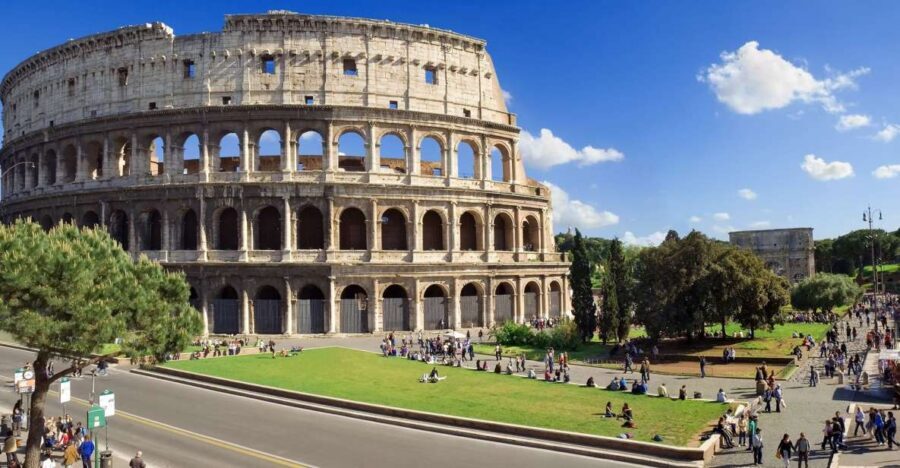
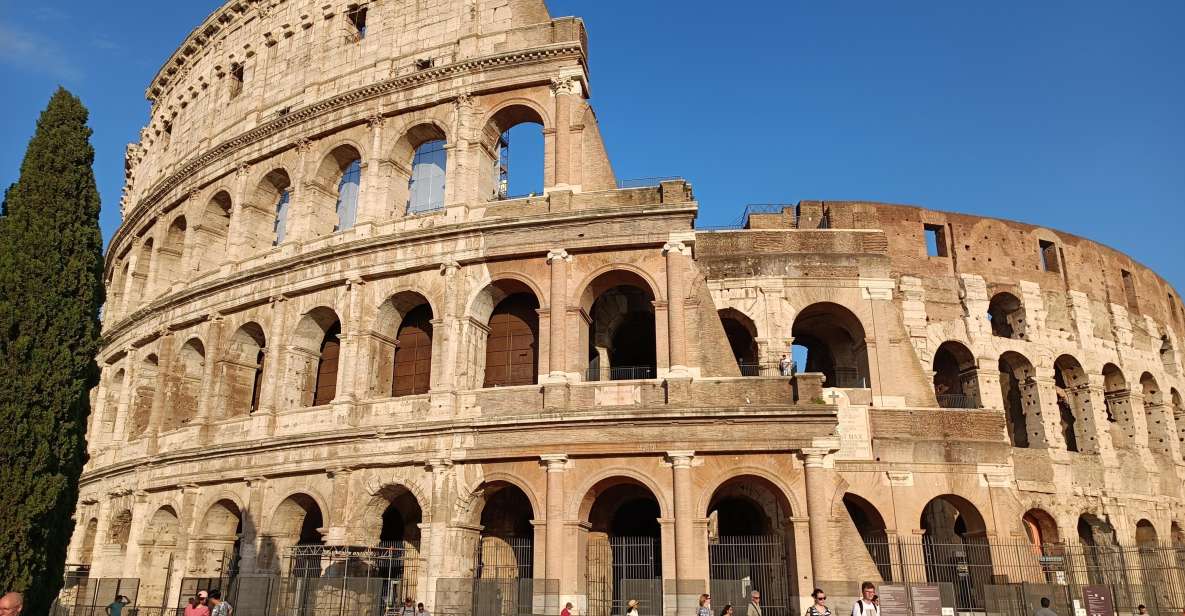
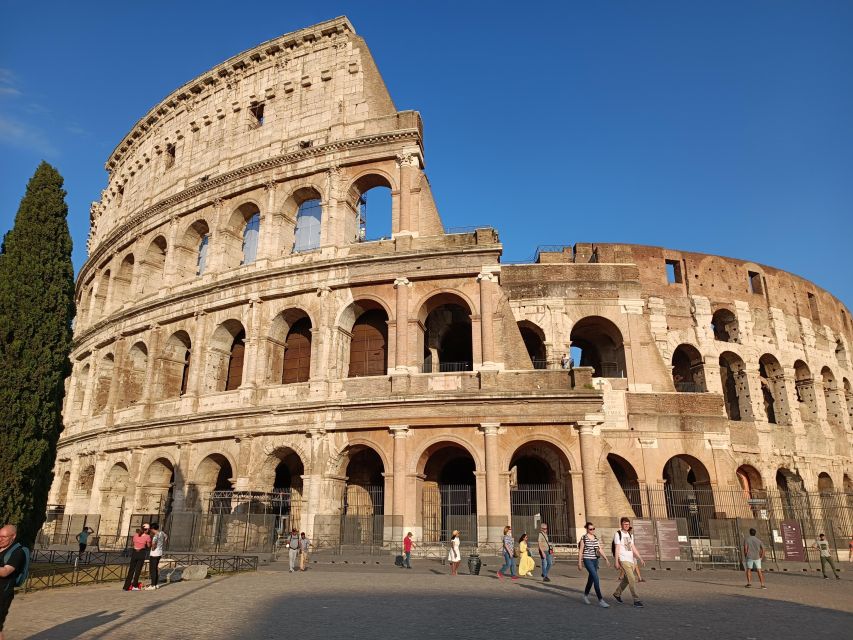
The Colosseum is over 1900 years old and hosted events like gladiator games. If you’re choosing the “main sights” route, this is the one most people want to see, and it’s hard to replace it with anything else in terms of instant impact.
Next to it, the Roman Forum adds context and texture. This is where processions, elections, public speeches, and criminal trials took place, plus the kind of public life that made Rome feel like it was always in motion. Standing there, the Forum helps you understand the Colosseum beyond its legend.
A key consideration: this area can take energy. Even on a walking tour, you’ll likely spend longer than you expect soaking in views and moving around the large site. If your legs are questionable, you’ll want to keep your other “hidden secret” goals modest.
Palatine Hill and Circus Maximus Views: When Rome Opens Up
Once you’re in the broader ancient core, the options for views make a big difference. The tour mentions Palatine Hill for beautiful city views, and Circus Maximus as the oldest and largest stadium built for chariot races.
These spots are especially useful on a private tour because they can break up the “stand and stare” routine. You get a change of perspective, and that helps the day feel varied instead of repetitive.
If you’re short on time, these viewpoint-style stops can be a smart use of your hours. You can get a sense of scale without committing to every paid or time-consuming venue.
Capitoline Museums: A Strong Add-On If You Like Art
The tour lists the Capitoline Museums as a group of art and archaeological museums connected to plans conceived by Michelangelo. If your interests lean toward museums and curated displays, this can be a good match.
The key constraint is practical: museum entry tickets aren’t included. So if you include the Capitoline Museums, plan for extra cost and time spent at entrances.
If you prefer open-air sights, you might skip the museum part and still use the area for views and orientation. That can help you understand how the “museum side” of Rome fits into the city’s ancient geography.
Villa Torlonia and the Parks of Rome’s Quiet Side
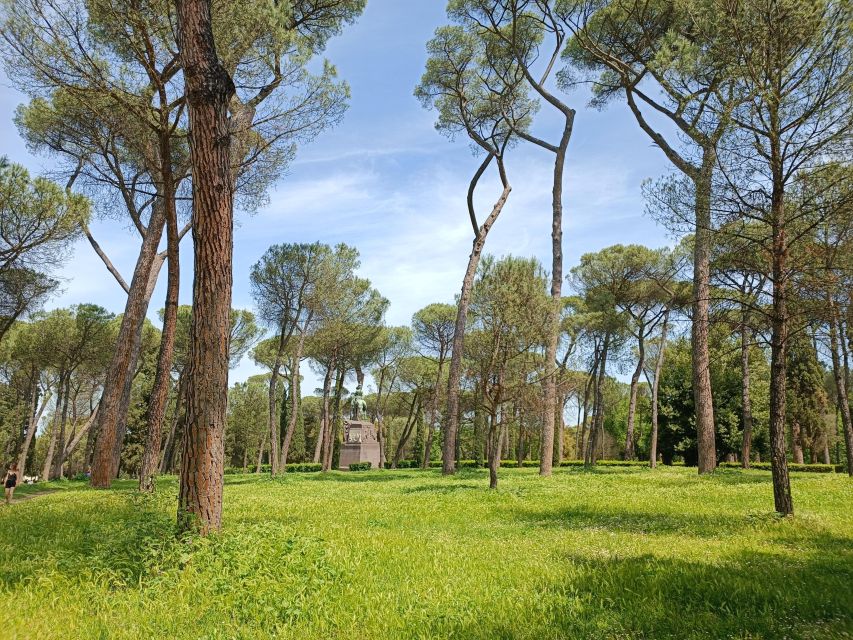
This tour’s hidden side includes Villa Torlonia, described as transformed into a public park with green spaces, architecture, and museums. That combination matters because it’s not just a pretty walk. You’re moving through a site where built design and landscape mingle.
A longer tour is where Villa Torlonia tends to shine. It gives you that breathing room from the busiest zones, and it helps the day feel like more than just monuments.
Another option in the same “quiet Rome” spirit is Villa Doria Pamphilj, described as the largest landscaped park in Rome. If you like gardens, this is the kind of stop that can make a half-day feel more personal.
Doria Pamphilj Gallery and MAXXI: Art Without the Usual Pressure
Art lovers have choices here, and that’s a major perk of a customizable route. The tour highlights the Doria Pamphilj Gallery as one of the best art collections in Rome, plus MAXXI, a museum of contemporary art and architecture.
The biggest practical factor is time and entry fees. Since museum tickets aren’t included, these stops work best if you’re already comfortable adding that step to your plan. On the plus side, a private guide can help you decide how much museum time fits your style.
If you’re the type who gets tired of “line to line,” contemporary stops like MAXXI can also refresh the day. You’ll see a different Rome story than the one told only by ruins.
Tiber Island, San Giovanni in Laterano, and Scala Sancta for the Curious
For travelers who like Rome’s spiritual and historic odd corners, the hidden list includes some memorable names.
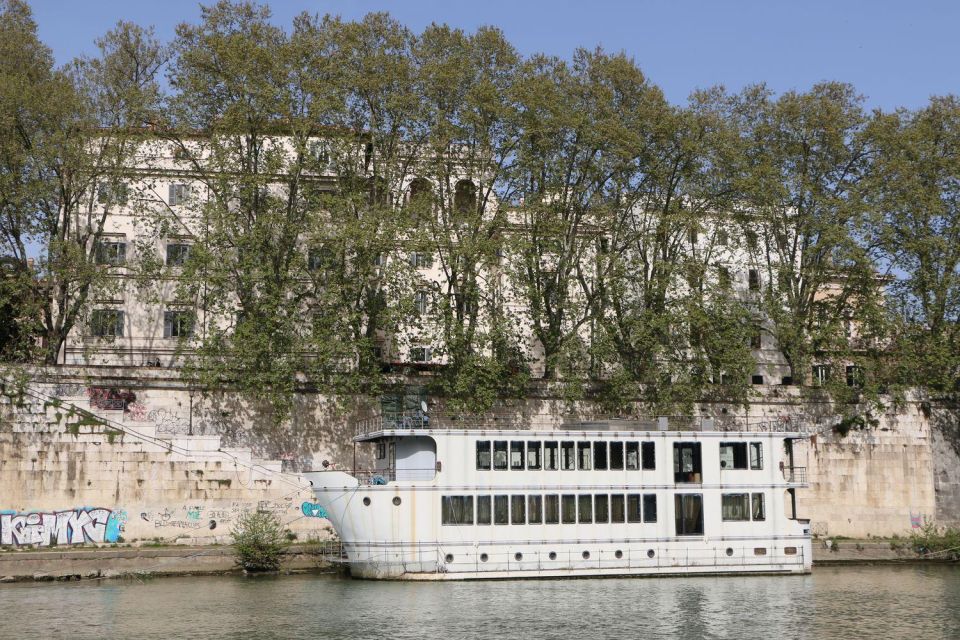
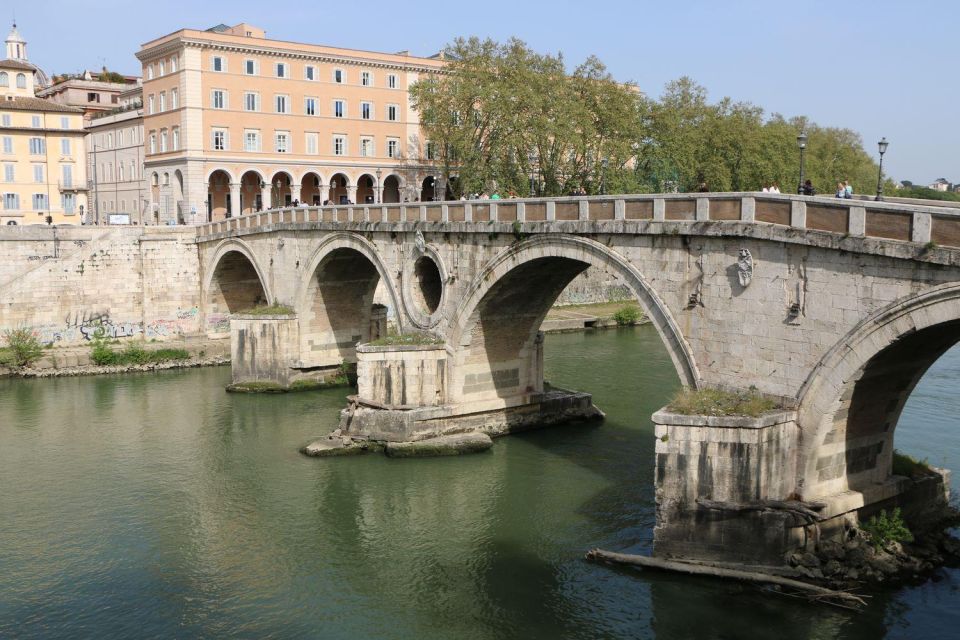
Tiber Island is associated with pagan cults connected to medicine and healing, plus Christian religion. It’s one of those Rome locations where layers stack, and the guide’s framing can make it feel more meaningful than just a scenic stop.
Basilica di San Giovanni in Laterano is noted as the oldest public church in Rome. If you want a break from the Vatican gravity, this is a strong alternative that still keeps you inside Rome’s faith history.
Then there’s Scala Sancta, described as the holy stairs believed to be the holy stairs leading to the holy city of Jerusalem. This is the sort of stop that can add depth to your day, but it can also be a longer, more focused experience depending on what you choose to do there.
If you include several of these “special purpose” stops, watch your stamina. They can be quieter, but they also demand more attention.
Pick the Right Duration: 2 Hours, 4 Hours, or 8 Hours
The tour’s flexibility is its biggest strength, but it also means you need to choose wisely.
For 2 hours, you’ll likely want a tight loop. Think one anchor for the “big Roman moment” and one nearby neighborhood hit, such as Trevi plus a nearby stop, or Spanish Steps plus Trastevere time.
For 4 to 5 hours, you can usually add a major cluster. You might pair a famous fountain or steps with an ancient anchor like the Colosseum area, depending on pacing and priorities.
For 6 to 8 hours, you can realistically blend main sights with at least one hidden secret that changes the feel of the day. That’s when Villa Torlonia or a gallery stop such as Doria Pamphilj can fit without turning the tour into a marathon.
Language and Guide Fit: Italian, English, or Chinese
Guides can be Chinese, English, or Italian, but late bookings may result in an English-speaking guide. If language precision is critical for you, it’s smart to plan your timing so you’re more likely to get your first choice.
Also consider the “local guide” concept. The tour notes that it’s a local person or expat rather than a guide promised to have detailed historical knowledge. The result can be fantastic when the guide is confident and lively, and less satisfying if you want constant, deep historical narration.
A good sign: one guide named Valario was described as friendly and humorous, plus strong at steering guests toward coffee and lunch away from the worst crowds. That kind of practical local humor can be worth its weight in gold on a walking day.
Should You Book This Rome Private Local-Guided Walk?
Book it if you want a custom mix and you like the idea of balancing headline sights with quieter, more local experiences. The private format and hotel pickup/drop-off can make the day easier to manage, especially if you don’t want to plan every transfer and junction yourself.
I’d pass or adjust expectations if you’re hunting for ultra-deep history commentary at every stop. Since the guide may be a local or expat without guaranteed specialist depth, you should be ready to ask questions yourself and steer the pace toward what matters to you.
Finally, if entry-fee sites like museums are on your must-do list, budget for tickets separately. This tour can still be good value, but your total day cost depends on how many paid attractions you choose to add.
FAQ
How long is the Rome Private Tour with a Local Guide?
It runs for 2 to 8 hours, depending on the duration you book.
Is this tour mostly walking?
Yes. It’s a walking tour, and public transport or taxis are not included.
Are tickets for museums and other entry-fee attractions included?
No. Tickets for attractions with entry fees, such as museums, are not included.
What languages do the guides speak?
Guides can be Chinese, English, or Italian. For very late bookings, an English-speaking guide may be assigned if your chosen language isn’t available.
Can I customize the itinerary and choose which places to visit?
Yes. The tour is private and customizable, and you can agree on stops in advance or discuss them when you meet the guide.
Does the tour run in bad weather?
Yes. It takes place rain or shine.