REVIEW · PRIVATE
Rome: Holy Doors Pilgrimage with Private Driver and Guide
Book on GetYourGuide →Operated by Eyes of Rome Private Tours · Bookable on GetYourGuide
Holy Doors in Rome feel personal fast. This private experience is built around real access during the Jubilee year, including Holy Doors reservations so you can step through where most people only look from outside. I also like that it runs as a smooth, timed visit with hotel pickup, so you spend less time figuring out transport and more time inside the basilicas.
What I love most is the stop order and pacing. You get guided time at Santa Maria Maggiore for its mosaics and Marian connection, then you move to Lateran and San Paolo with clear, story-driven explanations you can actually use while looking around. One drawback to plan for: the St. Peter’s moment is exterior-only, since the tour does not include entry into St. Peter’s Basilica.
In This Review
- Key Points to Know Before You Go
- Why Rome’s Holy Doors Are More Than a Photo Stop
- Your Private Driver and Guide: The Real Value
- Santa Maria Maggiore: Mosaics, Chapels, and Marian Meaning
- San Giovanni in Laterano: Rome’s Cathedral and the Jubilee Gate
- San Paolo fuori le Mura: The Cloister Calm and Mosaic Interior
- St. Peter’s Exterior Only: Still Impressive, But Set Expectations
- The 4.5-Hour Flow: How the Timing Works
- What’s Included (and What Isn’t)
- Dress Code and Real-Life Practicalities
- Price and Value: Is $649.31 Per Person Fair?
- Who This Tour Fits Best (and Who Should Skip It)
- Should You Book This Rome Holy Doors Private Tour?
- FAQ
- How long is the Rome Holy Doors pilgrimage tour?
- Does this tour include entry through the Holy Doors?
- Which basilicas are included in the guided stops?
- Is St. Peter’s Basilica included inside?
- Are food and drinks included?
- Where do we get picked up?
- What languages are the live guides available in?
- What should I bring?
- Is there a dress code?
- Is this tour suitable for wheelchair users or people with mobility impairments?
Key Points to Know Before You Go
- Reserved Holy Door entry at multiple major basilicas during the Jubilee year
- Hotel pickup with a private driver waiting for you, keeping the day calm
- Guided time at three basilicas you can enter, with practical context for what you’re seeing
- San Paolo fuori le Mura includes a peaceful cloister stop plus mosaic-and-art highlights inside
- St. Peter’s is a grand façade visit only, so set your expectations accordingly
- Manuela-style guiding standards show up in family-friendly feedback: expert, helpful, and clear
Why Rome’s Holy Doors Are More Than a Photo Stop
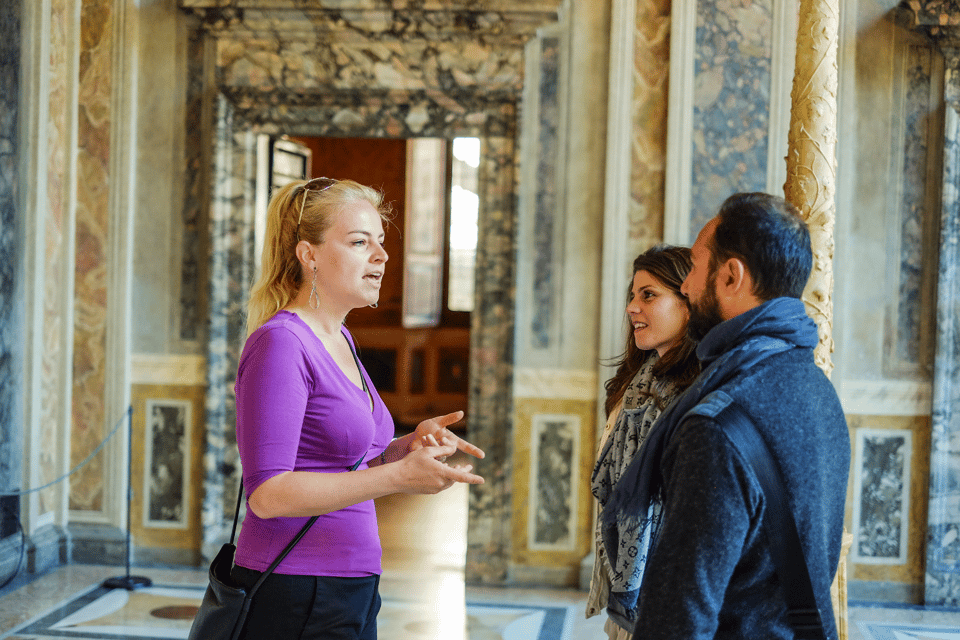
The idea of a Holy Door is simple. It represents forgiveness and renewal during the Jubilee year. The experience becomes more meaningful when you’re not just observing the symbolism from afar, but actually stepping through it as part of a guided, time-bound pilgrimage.
This matters in Rome because sacred sites can feel overwhelming fast. You’re surrounded by scale, art, and history, but you still need to know where to look and what to notice. A private guide helps you read the buildings instead of just walking past them. You’ll get explanations tied to the place, not generic facts you can find later.
Also, the Holy Door access is the kind of detail that can make or break a Jubilee trip. This tour is designed around reservation-based entry, which helps you avoid the most frustrating version of that day: standing in the wrong place at the wrong time while everyone else quietly passes through.
Your Private Driver and Guide: The Real Value
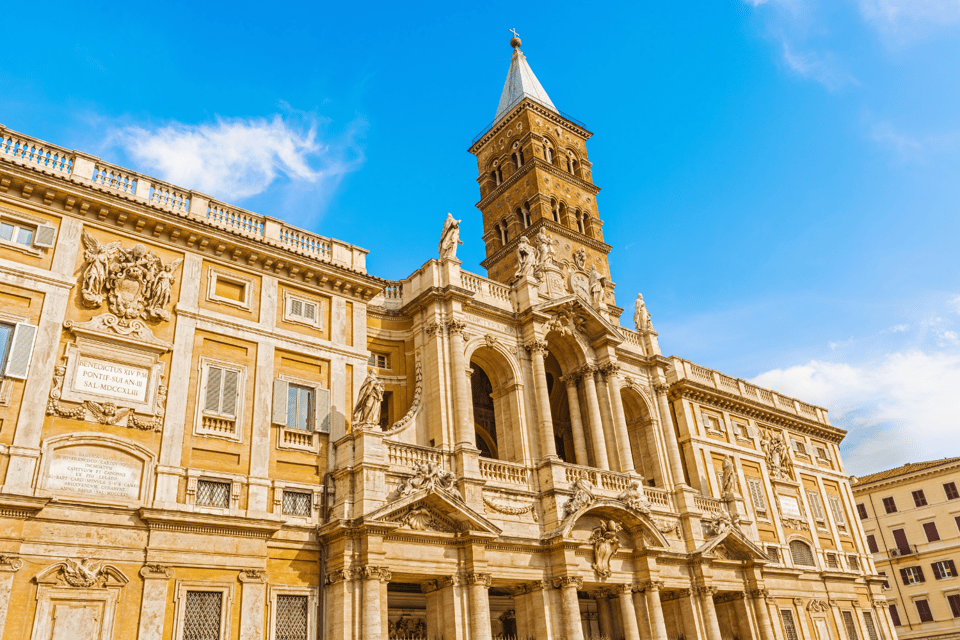
You’re picked up from your hotel by a professional driver. The van ride is short, then the day runs as a series of scheduled basilica visits, each with an assigned guide time. That “private at your pace” feeling is not fluff. It changes how you experience churches like these.
Here’s what you gain:
- Less dead time on transit and finding meeting points
- More control over walking flow between stops
- A guide who can answer questions in real time, not later over dinner
The tour is a private group, and the guide language options include English, French, Spanish, and German. That’s a big deal if you want the stories to land. Religion, symbols, and art in Rome don’t always translate well word-for-word, and hearing it in your language makes a difference.
One more practical point: the tour includes a private driver at your disposal. You’re not juggling taxis between sites. You’re following a plan that keeps the day moving without turning it into a sprint.
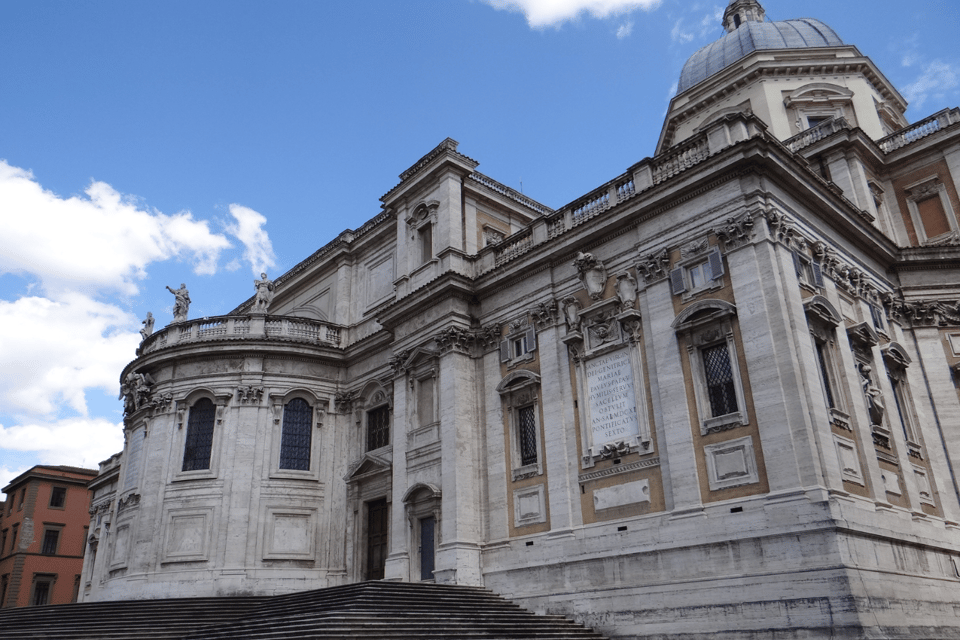
Santa Maria Maggiore: Mosaics, Chapels, and Marian Meaning
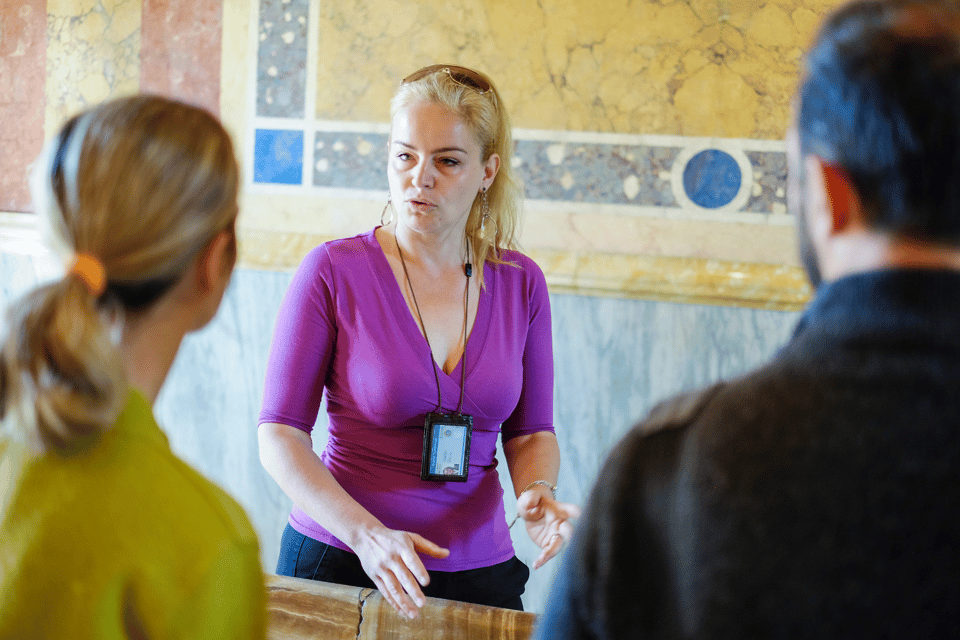
Santa Maria Maggiore is your first major stop, and it’s a smart choice to start here. The basilica is famous for its stunning mosaics and its impressive chapels. Even if you’re not the type to memorize dates, the visual impact hits you quickly. Mosaics in Roman churches can feel like they’re doing two jobs at once: decoration and instruction.
With a guide, you’ll hear how this basilica ties into devotion to the Virgin Mary and its wider Catholic importance. That context changes the way you look at the artwork. Instead of seeing a pretty surface, you start recognizing the themes behind what’s shown.
Expect a full guided block of time here, enough to slow down. The key is not rushing to the “big photo” and moving on. Santa Maria Maggiore is the place where you train your eyes for the rest of the day.
Small caution: churches are still churches. Even with a guide and reservations, you’ll want to plan for your feet. The tour is not listed as suitable for wheelchair users or people with mobility impairments, so bring comfortable walking shoes and pace yourself.
San Giovanni in Laterano: Rome’s Cathedral and the Jubilee Gate
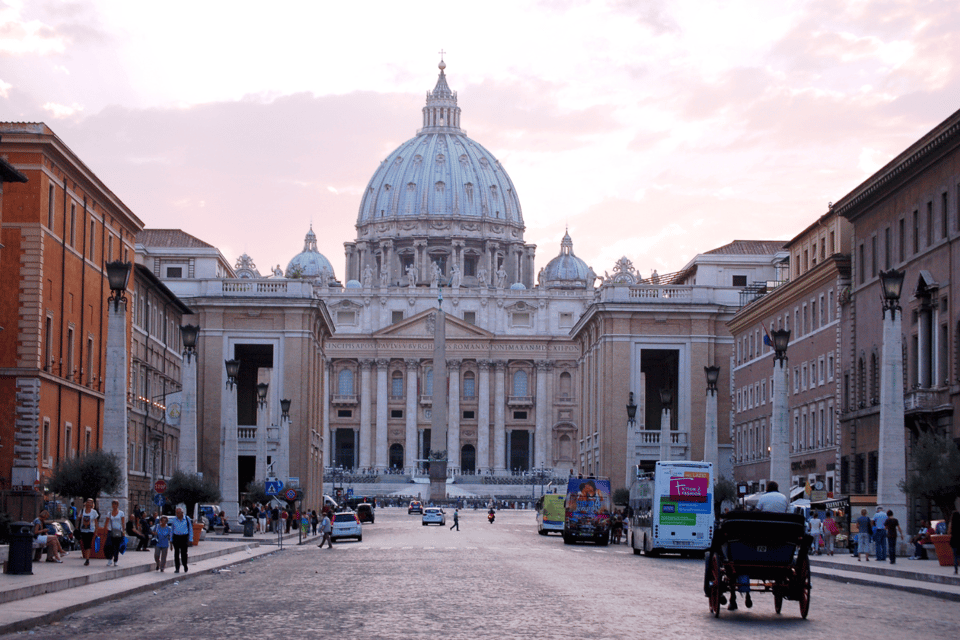
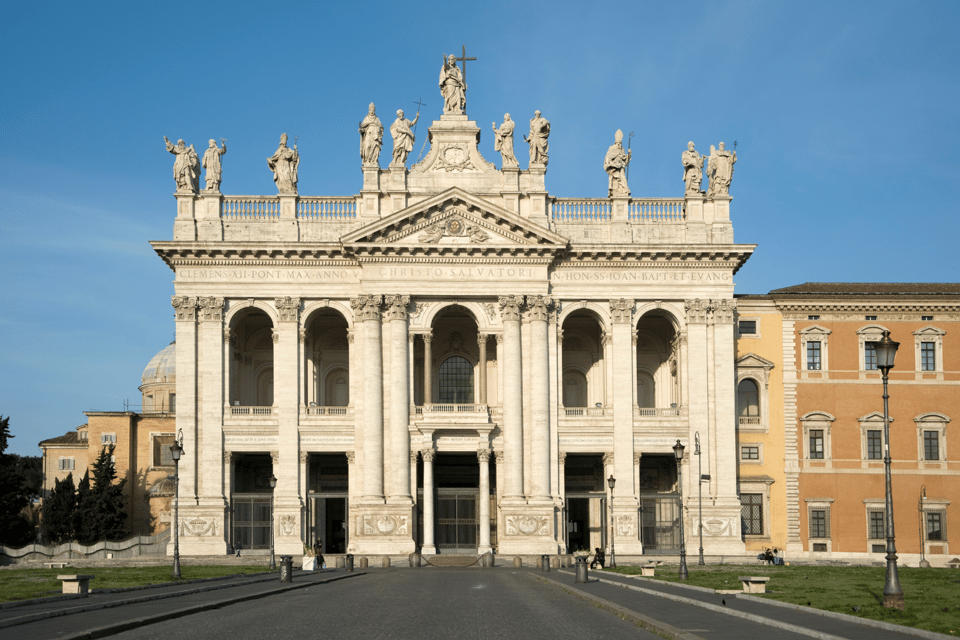
Next comes San Giovanni in Laterano, described as Rome’s cathedral and the Mother of all Churches. That title isn’t just ceremonial. It signals that this is a central church in the Catholic world, not an optional side stop.
The Holy Door here is symbolic in a very tangible way. You’re stepping through the idea of spiritual redemption during the Jubilee year, and a guide helps you understand what that symbolism means beyond the moment.
What you’ll appreciate:
- Majestic architecture that looks formal and purposeful
- Artwork that feels integrated into the building’s identity
- The way the Holy Door fits into the broader message of the site
Laterano can feel especially powerful if you like places where faith and civic Rome overlap. Rome’s churches often have “layers,” but this one is more like a backbone. It’s one of those sites that helps you understand why the city became a global pilgrimage destination in the first place.
San Paolo fuori le Mura: The Cloister Calm and Mosaic Interior
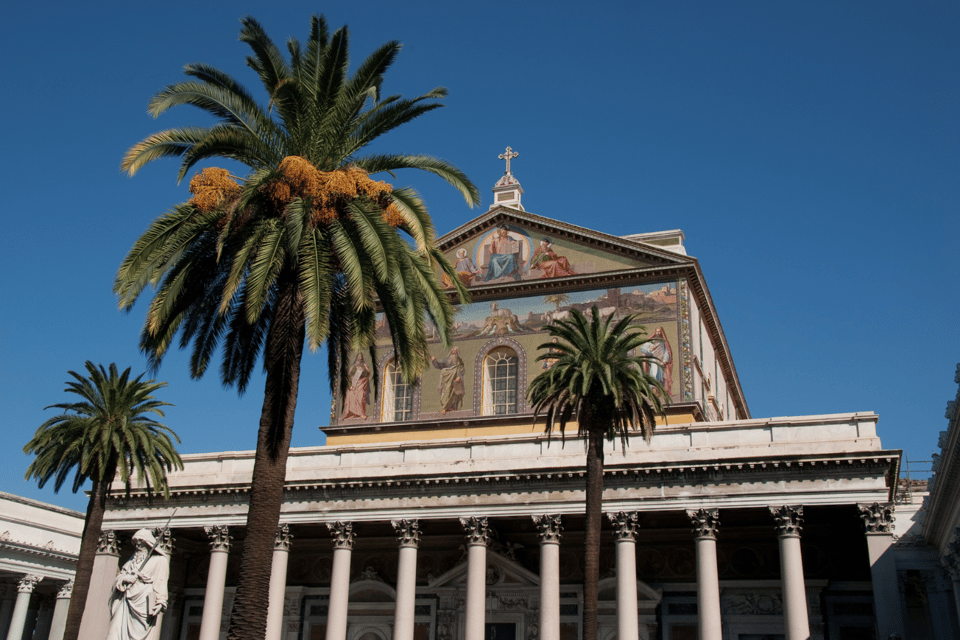
After the grand weight of Laterano, San Paolo fuori le Mura offers a different mood. This basilica is dedicated to Saint Paul, and the tone is more serene. That’s not an accident. Many people find this stop easier to absorb slowly.
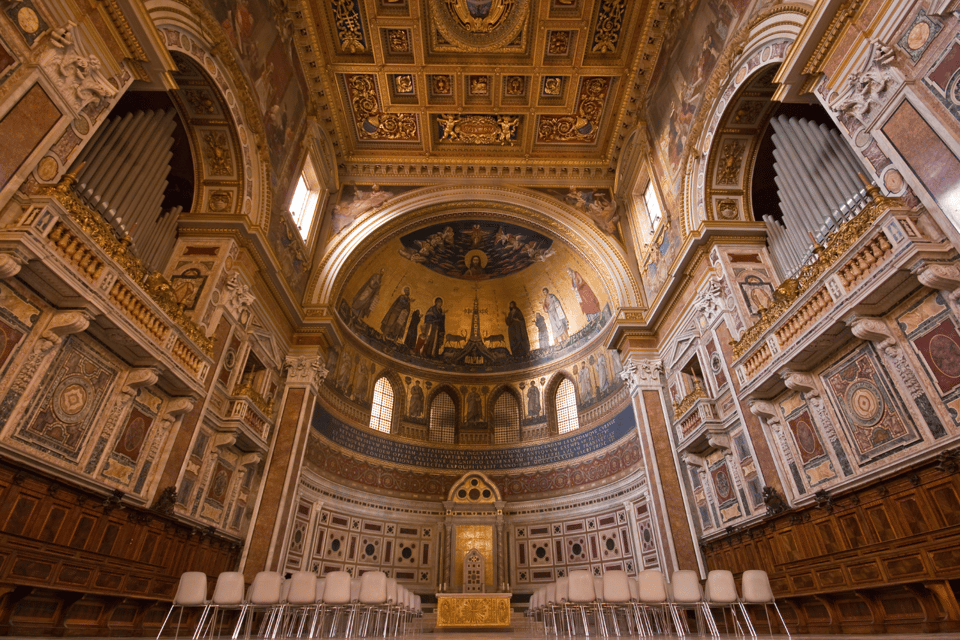
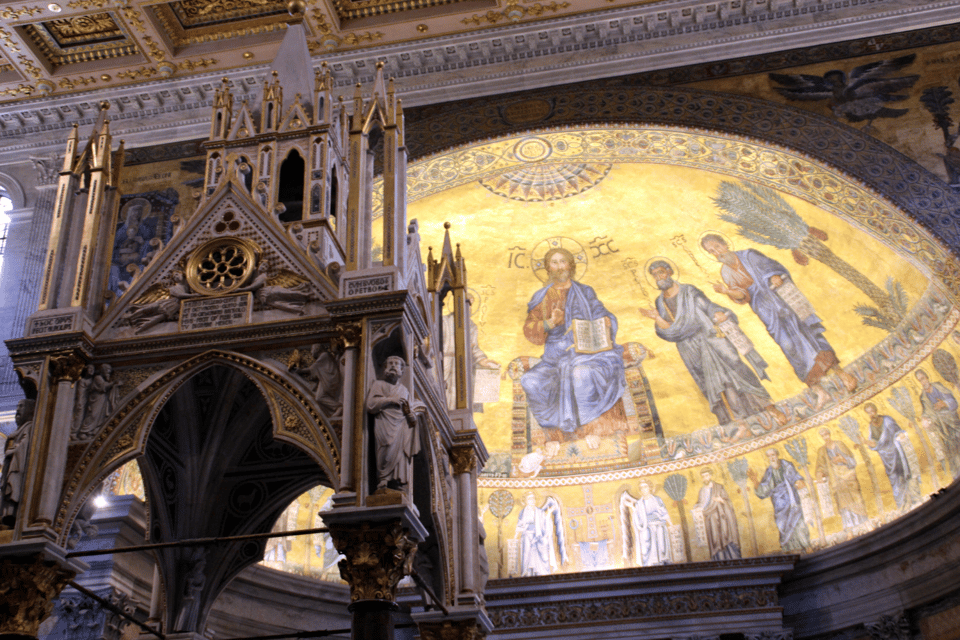
You’ll walk through the peaceful cloister, then head into a vast interior known for mosaics and portraits connected to papal history, including portraits of popes in history. This is the kind of detail a guide is useful for. When you have a frame for what you’re seeing, you don’t need to be an art expert to enjoy the visuals.
The cloister matters because it gives you a reset. After multiple big entrances and symbolic moments, a quieter space helps you process what you experienced. If you’re the type who gets “church overload” after two hours, this is the stop that helps balance the day.
And if you’re a fan of art-as-communication, pay attention. Mosaics in this basilica aren’t just decoration. They point to stories and authority across time, tied to Saint Paul and the broader Catholic narrative.
St. Peter’s Exterior Only: Still Impressive, But Set Expectations
St. Peter’s Basilica is the headline most people know. This tour gives you the exterior and the sense of scale without the inside visit. That means you’ll see the grand façade and connect it to why this place is so important as a pilgrimage destination.
It’s still a good moment, because the exterior is dramatic and the symbolism is visible even from outside. But if your main goal is to stand inside St. Peter’s, look at this tour as the “taste” version, not the full Vatican deep experience. The interior is not included.
This is also a timing choice. The tour is only 4.5 hours long, so the focus stays on the Holy Doors themselves and the basilicas where you get to enter.
The 4.5-Hour Flow: How the Timing Works
A 4.5-hour schedule is ideal if you want a meaningful spiritual day without eating up your whole Rome trip. You start with hotel pickup, then you’ll have guided time at each main basilica stop. A short van ride connects the sites, including time for getting from one church to another.
That flow matters more than it sounds. In Rome, the biggest risk with pilgrimage-style days is fatigue. Churches are cool, but they’re still long walks and lots of standing if you’re not ready for it.
This tour keeps the structure tight:
- guided entry moments where you need it
- enough time for looking and listening
- and a final St. Peter’s exterior finish that wraps things up cleanly
If you plan the rest of your day wisely, you’ll likely feel calmer afterward, not drained.
What’s Included (and What Isn’t)
Included in the experience:
- An official private guide
- Private driver at your disposal
- Holy Doors reservation
Not included:
- Food and drinks
- Inside visit to St. Peter’s Basilica
That setup is exactly why this tends to work well. You’re paying for the access and the guided attention, not for a bundled lunch. If you want a meal, I’d plan it before or after the tour, when you’re not rushed.
Also, because St. Peter’s interior is not included, don’t build your day around seeing the inside as the main finish line. The tour’s payoff is stepping through the Holy Doors at the key basilicas and learning what those doors symbolize.
Dress Code and Real-Life Practicalities
Rome churches have rules, and Holy Door entries can be stricter because the sites expect proper respect and safety. For this tour, you’ll want to follow the stated dress requirements:
- Avoid shorts, short skirts, and sleeveless shirts
- Avoid slippers
- Avoid alcohol and drugs
- Avoid see-through clothing
Also bring:
- Passport or ID card (and for children, their own ID too)
There’s an admin detail that can affect the day: you must provide all participants’ full names when booking, since full names are needed to reserve Holy Door entrance.
If you’re traveling with minors: every reservation including children under 18 must be accompanied by at least one adult. The tour cannot accept bookings made exclusively by unaccompanied minors.
Price and Value: Is $649.31 Per Person Fair?
At $649.31 per person for about 4.5 hours, this is not a budget activity. But it also isn’t overpriced in a vacuum. Here’s what you’re paying for:
- a private guide (so you’re not competing for attention)
- a private driver (so you’re not scrambling between sites)
- Holy Door reservation, which can be the hardest part during Jubilee year
- a tight schedule across major pilgrimage churches
If you compare this to solo sightseeing, you can cut costs by skipping the guide and driver. But you’ll likely spend more time organizing your own route and you may not get the same level of explanation tying the symbolism to what you’re seeing.
If you compare this to cheaper group options, the difference is mostly control. This tour is designed so you can slow down inside each basilica and get real context while you’re there, not after.
In short: pay this if your time is valuable and you want the Jubilee Holy Door access handled. Skip it if you’re comfortable managing logistics on your own and you mainly want to see buildings rather than understand the meaning.
Who This Tour Fits Best (and Who Should Skip It)
This pilgrimage-style private tour makes sense if:
- you want Holy Door entry during Jubilee year with reservations handled
- you enjoy history and art but also want spiritual context
- you prefer a calmer day with pickup, transport, and guided time
- your group benefits from a private pace rather than a larger group schedule
It’s not suitable for people with mobility impairments and it’s not suitable for wheelchair users, based on the tour’s stated limitation. Plan accordingly.
If you’re traveling with someone who gets overwhelmed by crowds, private guiding and structured timing can be a big comfort. If you’re traveling with someone who hates standing still, you’ll want to keep expectations realistic and pace yourself during church time.
Should You Book This Rome Holy Doors Private Tour?
Book it if Holy Door access is your priority and you want a guide who can turn the day into something you understand, not just something you pass through. The inclusion of Holy Door reservations, plus a private driver and guide, makes the experience feel intentional and respectful of the moment.
Skip it if St. Peter’s interior is non-negotiable for you. This tour finishes at St. Peter’s exterior only, and you’ll want a different plan if you’re aiming for the inside highlights.
Also, if you’re careful with dress and bring the right IDs, the experience should flow well. It’s the kind of day that rewards preparation.
FAQ
How long is the Rome Holy Doors pilgrimage tour?
The tour lasts 4.5 hours.
Does this tour include entry through the Holy Doors?
Yes. The tour includes Holy Doors reservation, and you visit basilicas where you can step through the Holy Doors during the Jubilee year.
Which basilicas are included in the guided stops?
The guided stops include Santa Maria Maggiore, San Giovanni in Laterano, and St. Paul Outside the Walls. You also see the exterior of St. Peter’s Basilica.
Is St. Peter’s Basilica included inside?
No. The tour includes the exterior of St. Peter’s Basilica, and inside entry is not included.
Are food and drinks included?
No. Food and drinks are not included.
Where do we get picked up?
Pickup is included from your hotel, and the driver waits outside your accommodation.
What languages are the live guides available in?
The live guide is available in English, French, Spanish, and German.
What should I bring?
You should bring a passport or ID card for all participants, including children.
Is there a dress code?
Yes. Shorts, short skirts, sleeveless shirts, and slippers are not allowed, along with see-through clothing and alcohol and drugs.
Is this tour suitable for wheelchair users or people with mobility impairments?
No. It is not suitable for people with mobility impairments and it is not suitable for wheelchair users.