REVIEW · ROME
Rome: Castel Sant’Angelo Entrance Ticket
Book on GetYourGuide →Bookable on GetYourGuide
Castel Sant’Angelo never feels ordinary. I like the skip-the-line setup because it gets you inside without wasting time, and I like that the fortress has clear story layers—mausoleum, fortress, and prison—so your visit feels complete. The main drawback is simple: you’ll climb a series of stairs, so plan for a lot of walking and some uphill.
This ticket is built for people who want to move at their own pace. You’ll get e-tickets by email in the late afternoon before you go, then show the code on your phone at the entrance. One more thing to consider: if you’re relying on easy access or step-free routes, this is not a great match.
If you’re looking for Rome with a view—and a building that changes roles as the centuries roll by—this is a solid choice. For many visits, the big win is that you can spend your saved time looking at details instead of waiting in line.
In This Review
- Key highlights to know before you go
- What Castel Sant’Angelo Really Is (Mausoleum to Fortress to Prison)
- Skip-the-Line Entry: How the e-Ticket Saves Real Time
- Starting in Hadrian’s Mausoleum: The Visit Begins in the Oldest Core
- Papal Apartments: Where Luxury Lives Inside a Defense Site
- Ramparts and Panoramic Rome Views: St. Peter’s Framing from the Walls
- Military Fortress Sections: How the Castle Protected Rome
- How Much Time You Need and How to Plan Your Day
- Comfort Tips That Make or Break the Visit
- Price and Value: Is $32 Per Person Worth It?
- Who This Ticket Suits Best (And Who Should Rethink It)
- Should You Book This Skip-the-Line Ticket for Castel Sant’Angelo?
- FAQ
- How do I get my Castel Sant’Angelo tickets?
- How do I use the ticket at the entrance?
- Do I need to meet someone before entering?
- Is skip-the-line entry included?
- How long is the ticket valid?
- What should I bring to the site?
- What’s not allowed inside Castel Sant’Angelo?
- Is this experience suitable for wheelchair users or mobility impairments?
Key highlights to know before you go
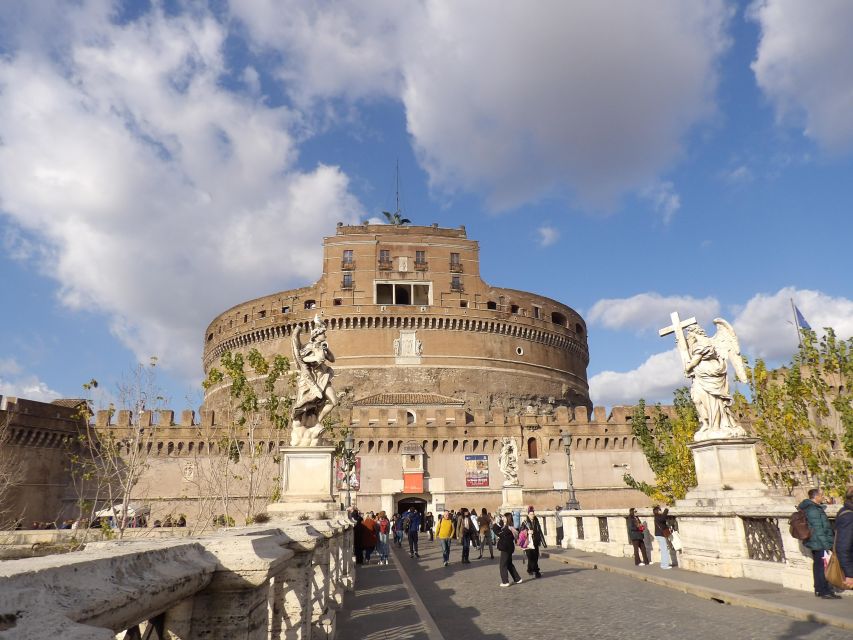
- Skip-the-line entry: Show your e-ticket at the entrance and start fast
- Hadrian’s original mausoleum: Begin where the structure’s story starts
- Papal Apartments: See the luxurious pontiff-era rooms and decor
- Ramparts viewpoints: Frame St. Peter’s and the Vatican from the walls
- Fortress defenses: Understand why this castle mattered for safety
- Plan for stairs: A “series of stairs” is part of the experience
What Castel Sant’Angelo Really Is (Mausoleum to Fortress to Prison)

Castel Sant’Angelo is one of those Rome stops where the building is the story. You’re not just walking through a pretty landmark; you’re moving through layers of purpose. It started as the mausoleum for Roman Emperor Hadrian, then transformed into a fortress, and later served as a prison.
That shifting job description changes how you should look at what’s in front of you. When you see heavy corridors and defensive features, it makes sense in context. When you reach more refined spaces like the Papal Apartments, you get a sense of how different rulers used the same stone—sometimes for power and comfort, sometimes for control and survival.
The best part is that the visit keeps your eyes busy. Even without a guide, the structure itself helps you understand the timeline. You can connect the dots just by following the flow from older core areas to the views and the more formal rooms.
Skip-the-Line Entry: How the e-Ticket Saves Real Time
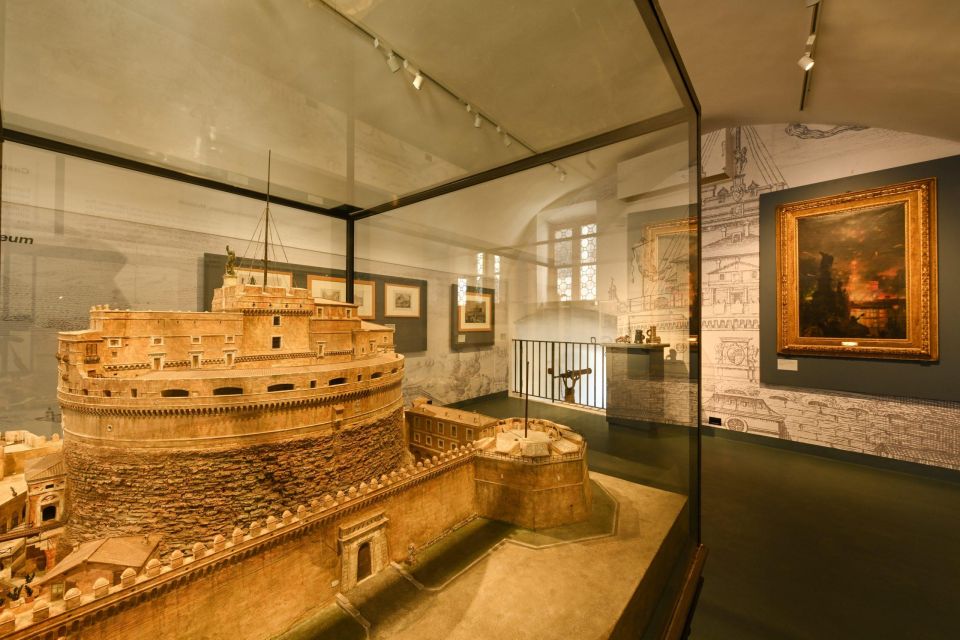
With this option, you’re not waiting at the ticket counter. Your tickets get delivered by email in the late afternoon of the day before your entry date. Then you show the e-ticket at the entrance—on your smartphone—and walk in.
That matters because Castel Sant’Angelo is a popular site with a classic Rome problem: lines. Skip-the-line doesn’t remove all crowds, but it removes the biggest time sink for a timed visit. In practical terms, you’ll spend more time inside the building and less time standing around trying to plan the rest of your day.
There’s no actual meeting point to worry about. Since the tickets are sent directly to you, you can build your day around your own pace and other stops nearby. You’ll want to check your inbox and spam folder the evening before, just to be safe.
One more logistics point that affects your experience: your ticket is valid for 1 day. You’ll also want to check availability to see starting times, since those times can change.
Starting in Hadrian’s Mausoleum: The Visit Begins in the Oldest Core
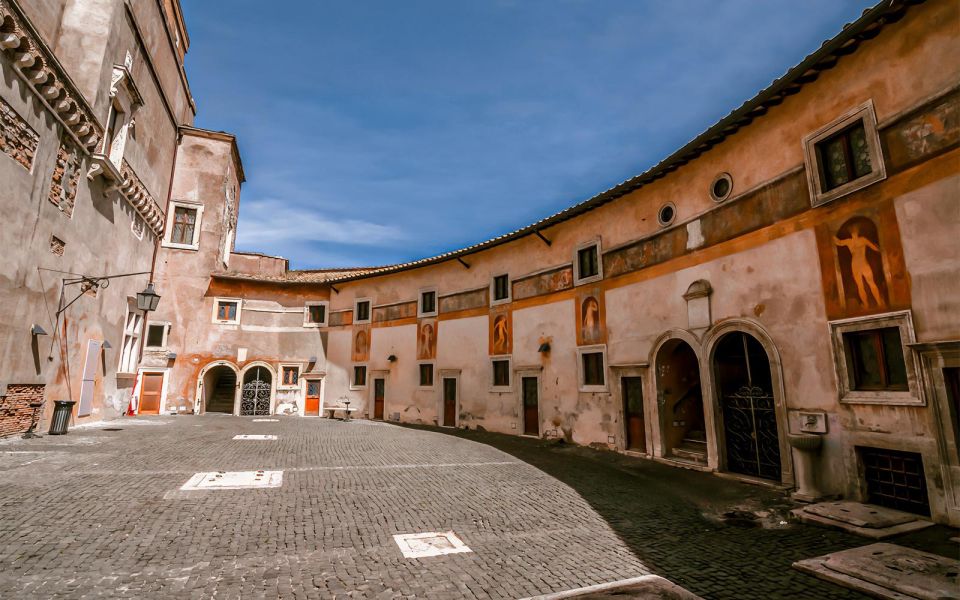
Most people think of Castel Sant’Angelo as a fortress with famous views. But the experience works best when you start at the beginning of the building’s story. That’s where you begin: in the original mausoleum area tied to Emperor Hadrian.
This is the point where the site feels most ancient and most focused. You’re inside a monumental structure with a clear origin. From there, the building starts to show you how later centuries adapted it. Think of it like reading the first chapters before you reach the bonus sections.
If you like history that you can actually see, this opening section is helpful. The structure doesn’t just tell you facts—it gives you space and layout that match the purpose. Even if you’re not chasing every detail, you’ll get a stronger sense of what you’re looking at once you understand the mausoleum-to-fortress evolution.
Papal Apartments: Where Luxury Lives Inside a Defense Site
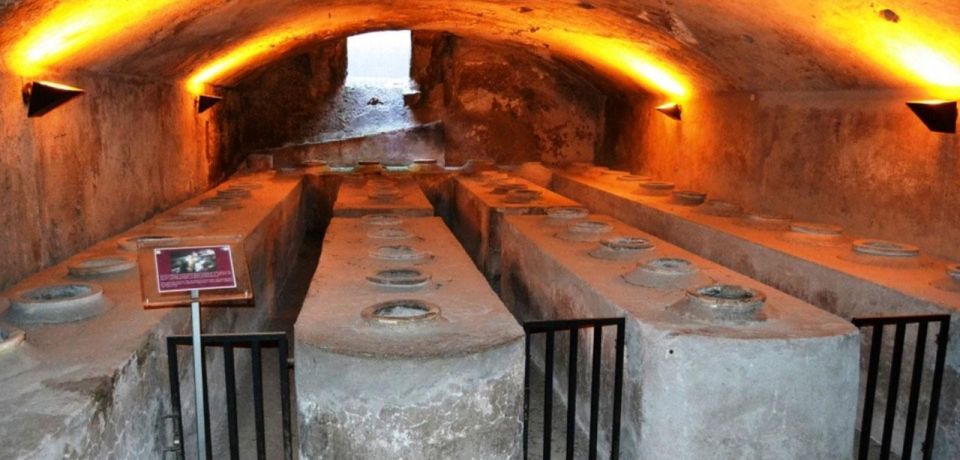
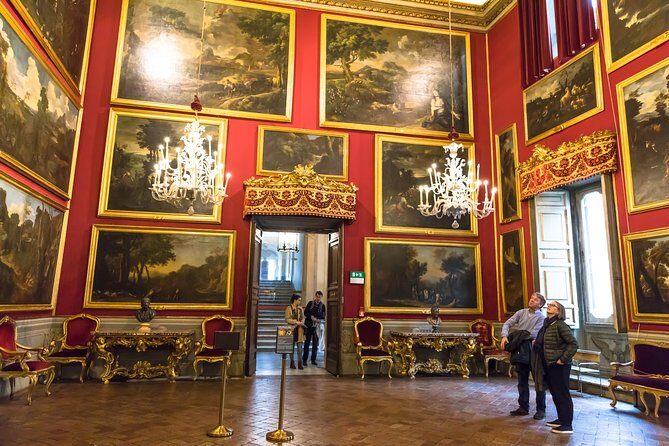
One of the most interesting contrasts at Castel Sant’Angelo is the Papal Apartments. This is where you get the opulent side of the castle: rooms associated with popes and the luxurious lifestyle they tried to maintain, even in a place built for crisis.
In the apartments, you’ll see period decoration described as Renaissance frescoes and period furniture. That combo matters because it changes the mood of the visit. You go from heavy, defensive building logic to spaces that feel more curated and human-scale—like the castle wasn’t only about safety. It was also about status and comfort when circumstances allowed.
For me, this is the part that makes the castle more than a viewpoint stop. It turns the building into a time machine with different faces: imperial Rome at the start, papal power in the apartments, and military urgency in the defensive sections.
Ramparts and Panoramic Rome Views: St. Peter’s Framing from the Walls

Then the visit shifts upward—toward the terrace and ramparts. This is where Castel Sant’Angelo earns its reputation. From the ramparts, you get panoramic views over Rome with a strategic, almost postcard-like angle across the city.
The views are especially good for landmarks tied to the Vatican. Expect sightlines toward St. Peter’s Basilica and the Vatican area, plus a broad look across the cityscape near the Tiber River. The walls also give you a built-in reason to pause. You’re not standing on some random street corner. You’re viewing Rome from a defensive structure, which makes the experience feel more layered.
If you’re a photo person, this is your moment. If you’re not, it’s still worth lingering. The castle’s height and placement help you understand where key parts of Rome sit in relation to each other.
Just remember the trade-off: this section is reached by climbing. The ticket info notes you’ll deal with a series of stairs to reach the panoramic terrace, and the reviews reinforce that the stairs are real. Plan your pace and bring comfortable shoes.
Military Fortress Sections: How the Castle Protected Rome
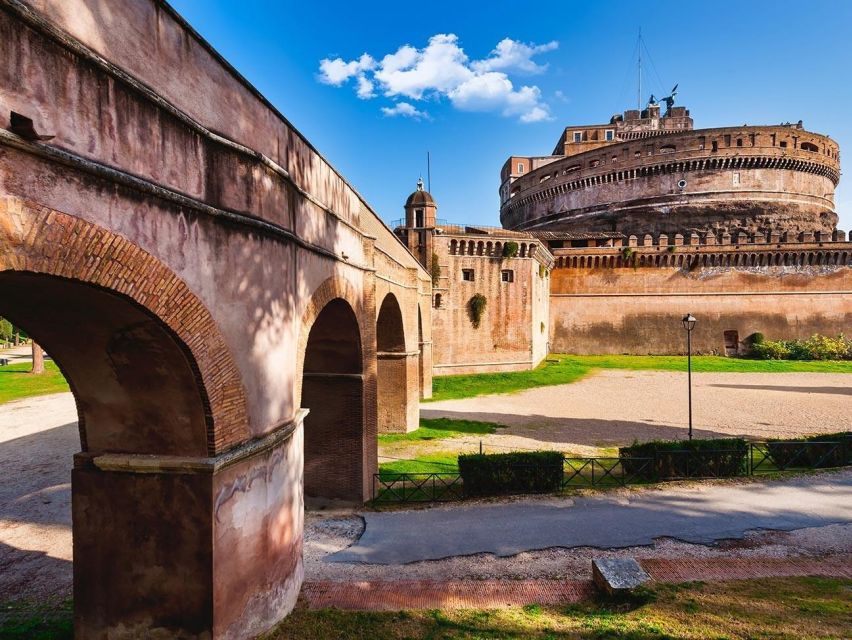
Castel Sant’Angelo isn’t only a monument. It’s also a defensive machine. As you move through the military parts of the site, you’ll see how the castle’s positioning and defensive structures supported protection during turbulent times.
This is one of those areas where context turns “cool walls” into “oh, I get it.” When you’ve already seen the building’s origins and then encounter the fortress features, the whole place makes more sense. You start recognizing the logic of why certain spaces were designed the way they were.
You can also think of this area as the emotional middle of the visit. The Papal Apartments feel like history with polish. The military fortress spaces feel like history with pressure. Together, they make Castel Sant’Angelo feel like a living part of Rome’s survival story, not just a preserved building.
How Much Time You Need and How to Plan Your Day
Your ticket covers entry for 1 day, with starting times listed based on availability. That flexibility helps if you’re fitting Castel Sant’Angelo around your broader Rome route.
In terms of pacing, the setup is built for self-guided exploration. The experience is designed so you can walk through at your own rhythm rather than being rushed. People often value that here because there are plenty of rooms to move through and plenty of viewpoints where you may want extra minutes.
So here’s a practical approach: give yourself time for three phases. First, allow time for the mausoleum core. Next, plan for the Papal Apartments and indoor rooms. Finally, set aside time for the terrace and ramparts, because you’ll want a slower pace there for photos and viewing.
If you’re trying to fit Castel Sant’Angelo into a packed day, consider choosing a time that still leaves room afterward. Once you’re done, it’s back to the starting area, and you’ll likely want to keep walking through the area while your head is in “Rome layers mode.”
Comfort Tips That Make or Break the Visit
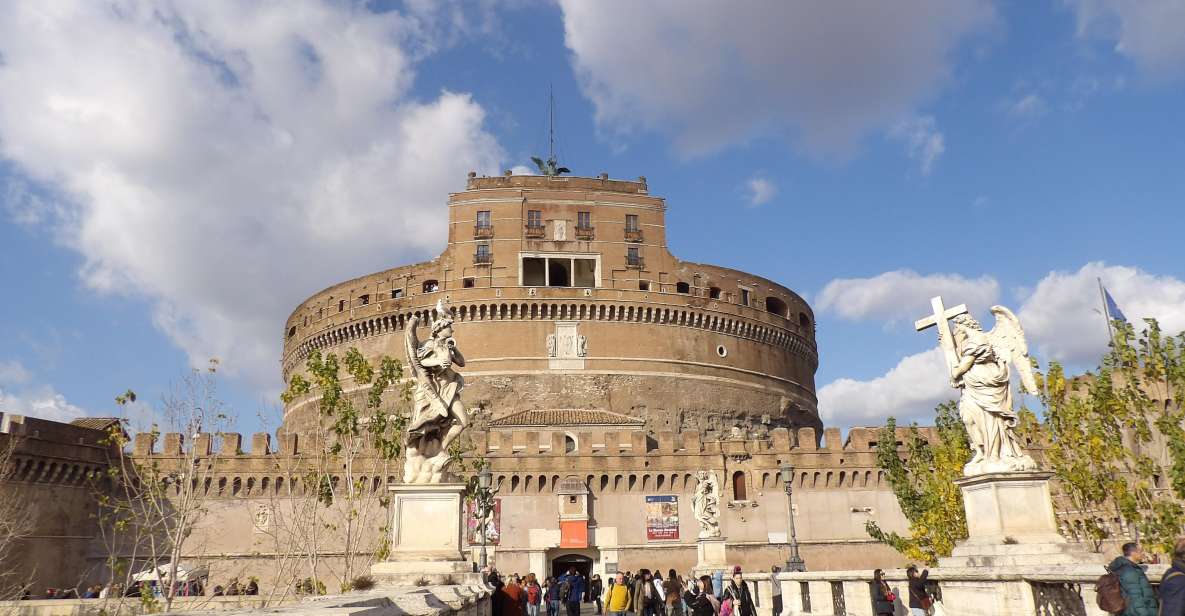
This is a walking-and-stairs site. The ticket notes you must climb a series of stairs to reach the panoramic terrace. Reviews also flag that there are lots of stairs, even while praising everything else.
So bring:
- Comfortable shoes with good grip
- Comfortable clothes you can move in
- Your ID or passport (you’ll need it)
Also double-check what you’re bringing, because some items are not allowed. Pets are not allowed. Weapons or sharp objects aren’t allowed. Luggage or large bags aren’t allowed either. Sprays or aerosols are also listed as not allowed.
One more practical note: the experience isn’t suitable for people with mobility impairments and it’s not suitable for wheelchair users. That’s not the kind of place you want to treat as flexible with mobility needs, since the stairs and access limitations are part of the design.
Price and Value: Is $32 Per Person Worth It?
At $32 per person, you’re paying for more than just entry. You’re paying for the skip-the-line benefit plus the freedom of a self-guided visit.
Here’s how to think about the value:
- If you hate lines, this price can feel justified fast, because the skip-the-line piece directly protects your time.
- If you want a full story experience—mausoleum core, Papal Apartments, ramparts, and fortress sections—one ticket covering all of that is efficient.
- If your day is already light on time, the cost matters less, but the skip still helps you start sooner.
Also, remember that you’re paying to explore one site with multiple eras packed into one footprint. You aren’t splitting your time between separate tickets for different stops. You’re investing in a single place that can keep you busy from start to finish.
Who This Ticket Suits Best (And Who Should Rethink It)
This is a great match if you:
- Want fortress views with big-name landmarks in sight
- Like self-guided visits at your own pace
- Enjoy places that switch purposes across centuries
You might want to reconsider if you:
- Need step-free access or wheelchair-friendly routes
- Have trouble with stair-heavy attractions
- Prefer sites where you won’t be climbing to terraces
If you’re coming with friends or family, this works well because the experience supports different tempos. Some people focus on rooms and details. Others focus on views and photos. The building lets both styles happen without forcing a rigid tour format.
Should You Book This Skip-the-Line Ticket for Castel Sant’Angelo?
Book it if you want fast entry and a visit that mixes architectural eras with Rome views. At $32, the value is strongest when you care about reducing time spent waiting and you want a full-spectrum experience: Hadrian’s mausoleum, papal-era rooms, terrace views toward St. Peter’s and the Vatican, plus military fortress sections.
If stairs are a concern, don’t assume you can “tough it out.” The information clearly points to a series of stairs, and the site is not suitable for wheelchair users. In that case, you’d likely be happier looking for a different Rome experience that fits your mobility needs better.
FAQ
How do I get my Castel Sant’Angelo tickets?
Your entrance tickets are sent to you by email in the late afternoon of the day before your entry date.
How do I use the ticket at the entrance?
You show the e-ticket at the entrance on your smartphone.
Do I need to meet someone before entering?
No. There is no meeting with a guide or staff. You simply use your e-ticket at the entrance.
Is skip-the-line entry included?
Yes. The ticket includes skip-the-line access.
How long is the ticket valid?
The ticket is valid for 1 day. Starting times depend on availability.
What should I bring to the site?
Bring your passport or ID card and wear comfortable shoes and clothes.
What’s not allowed inside Castel Sant’Angelo?
Pets are not allowed. Weapons or sharp objects, luggage or large bags, and sprays or aerosols are also not allowed.
Is this experience suitable for wheelchair users or mobility impairments?
No. It is not suitable for people with mobility impairments and it is not suitable for wheelchair users.