REVIEW · NAPLES
Master Authentic Neapolitan Pizza & Tiramisu at Home
Book on GetYourGuide →Operated by WORLDTOURS S.r.l. · Bookable on GetYourGuide
Pizza skills beat takeout plans. I love how the class targets authentic Neapolitan technique but adapts it for a home-style electric oven, so you can still chase an airy, crisp crust without a wood-fired setup. I also love the digital recipe booklet you get to recreate everything later. One catch: you are using a standard oven, so results won’t be identical to a true wood-fired pie.
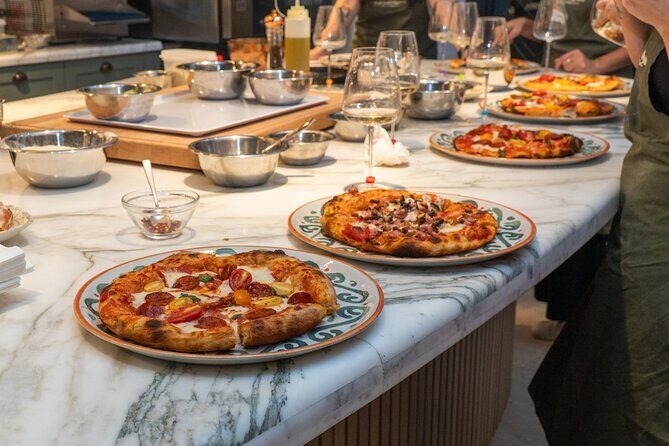
In a fully equipped Campania kitchen, you don’t just watch. You’ll work with local chefs such as Gino and Claudio, and you make your own dough in a small-group format. The class runs about 2.5 hours, and the experience can be bilingual.
The other half is the tiramisu masterclass. You’ll learn how to make the mascarpone cream, soak savoiardi in coffee, and assemble step-by-step while you’re guided through the timing.
In This Review
- Key Things You’ll Love About This Naples Pizza and Tiramisu Class
- Why Naples Pizza Skills Matter When You Cook at Home
- The Electric-Oven Setup: Ruoto Napoletano Without the Wood-Fired Myth
- From Flour to Dough: What You Learn by Doing It Yourself
- Building Your Neapolitan Pizza: Toppings, Timing, and Control
- Baking and Eating Your Pizza: The Crust Moment
- Tiramisu Masterclass: Mascarpone, Coffee Soaks, and Clean Assembly
- Chef Coaching in English, French, Italian, or Spanish
- Price and Value: What You Get for About $14
- Practical Tips Before You Go (So the Oven Time Works for You)
- Who This Workshop Is Best For
- Should You Book This Neapolitan Pizza and Tiramisu Class at Home?
- FAQ
- Is this pizza class taught with a wood-fired oven?
- How long is the workshop?
- What languages are available?
- What’s included in the price?
- Is hotel pickup included?
- What do I need to bring?
- What if I have allergies or intolerances?
- Are pets allowed?
Key Things You’ll Love About This Naples Pizza and Tiramisu Class
- Hands-on dough time: each participant makes their own pizza dough, not just toppings.
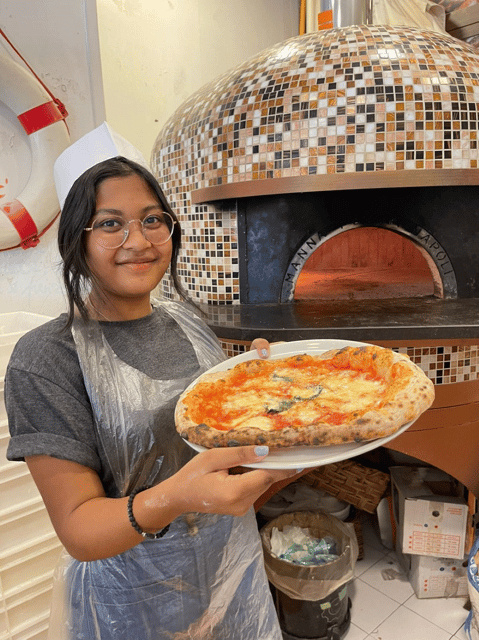
- Electric-oven method: you use a home-style oven plus a traditional ruoto napoletano for that Neapolitan-style crust goal.
- Chef-led, not scripted: instruction comes from a local pizzaiolo or chef, with patient coaching highlighted by chefs like Gino, Claudio, Mario, and Anthony.
- Tiramisu done properly: mascarpone cream, coffee soaking, and assembly are taught step-by-step.
- Take-home support: you get a digital recipe booklet so you can repeat the pizza and tiramisu at home.
- Included drinks and a relaxed pace: water or soft drinks are complimentary, and the class is designed to keep you moving.
Why Naples Pizza Skills Matter When You Cook at Home
Naples is where the world points when it talks about classic pizza. This workshop is interesting because it doesn’t treat home cooking like a downgrade. It focuses on the techniques that create the texture you want, then shows you how to reproduce them in a kitchen with a regular electric oven.
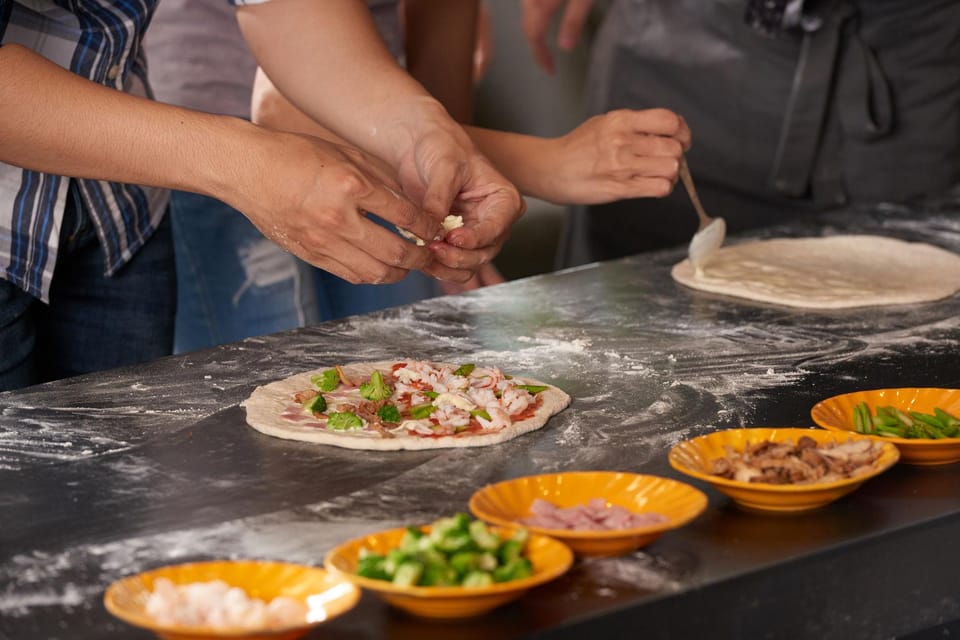
I like that you’re learning in a real, fully equipped kitchen instead of in a show-and-tell setup. You practice the dough process yourself, which matters because Neapolitan pizza is about feel as much as it is about ingredients. And yes, you’ll also get the payoff: you eat your own freshly made pizza.
The “at home” angle is the whole reason this experience is worth your time. By the end, you shouldn’t just have photos. You should have enough confidence to make dough, shape it, bake it, and build a tiramisu without staring at a screen and hoping.
You can also read our reviews of more tours and experiences in Naples.


The Electric-Oven Setup: Ruoto Napoletano Without the Wood-Fired Myth
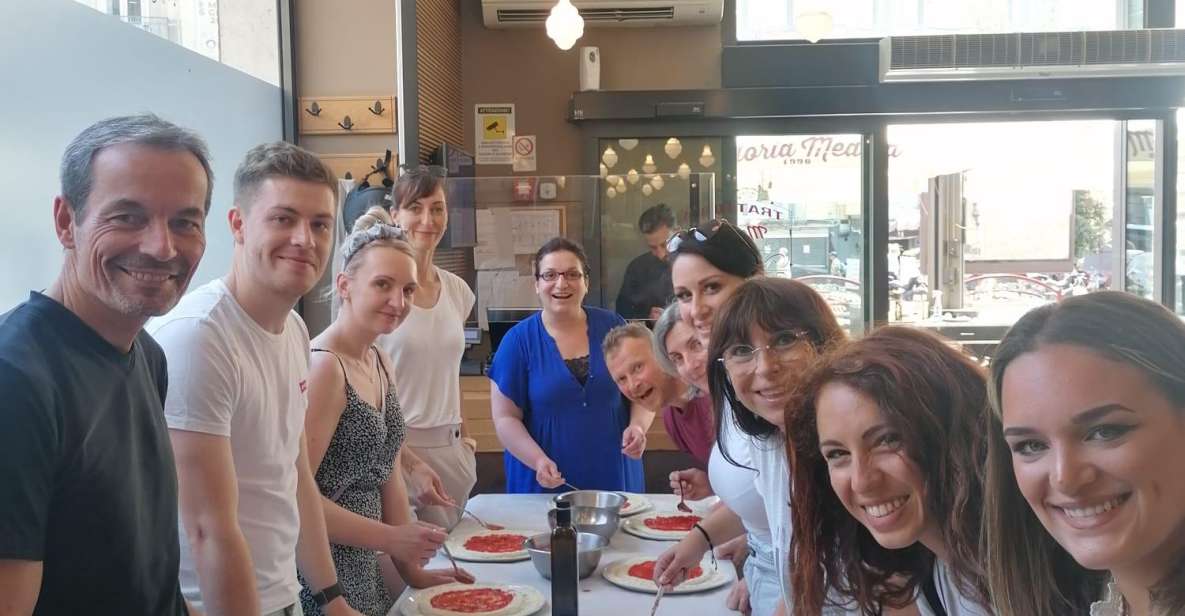
Traditional Neapolitan pizza stories often start and end with wood-fired ovens. This class is smarter than that. It straight-up teaches you the approach that works when you’re using a standard electric oven.
Here’s what that means in practice: you’ll bake using a home-style setup while also using a traditional ruoto napoletano. The goal is a crust that’s crunchy outside and airy inside, even if your oven doesn’t roar like a furnace built for one job.
For your expectations, here’s the realistic framing. You’re not getting a wood-fired experience. The class is very clear about that. But you are getting a method adapted for the kind of oven most of us actually have. That makes it genuinely useful after your trip, not just a fun afternoon.
If you’ve ever tried to recreate Neapolitan pizza at home and ended up with something that tastes fine but feels flat, this is the type of class that can fix your process. You’ll learn how to target structure and bake performance in the limitations you have.
From Flour to Dough: What You Learn by Doing It Yourself
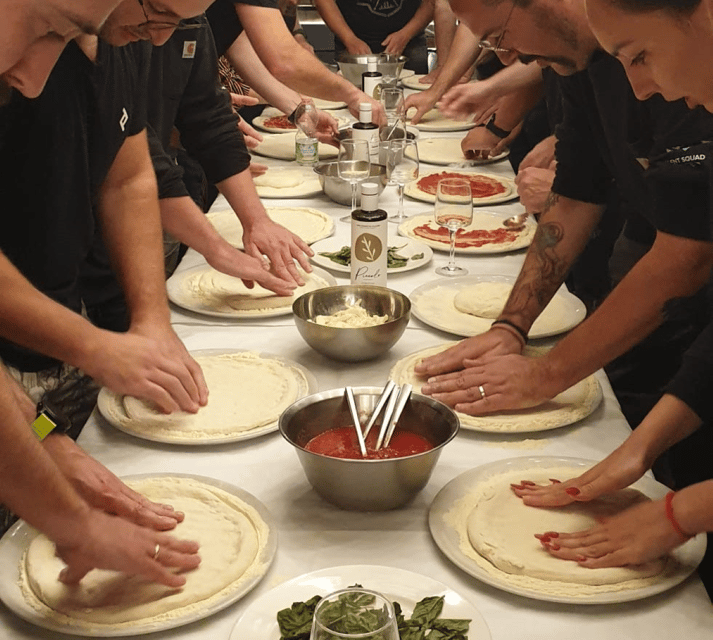
The pizza part starts with dough, and you don’t stay on the sidelines. Everyone in the group makes their own dough. That hands-on work is where the “authentic technique adapted for your kitchen” becomes real.
When dough is taught properly, you pick up three things fast:
- How the dough should look and feel as it comes together
- How to handle dough without crushing the air you’re aiming for
- How to move from preparation to readiness for baking
This is also where chef patience earns its keep. In past sessions led by chefs like Mario, Anthony, Gino, and Claudio, the common theme has been calm, clear guidance—especially for people who don’t cook often. That matters in a pizza class because one wrong move with dough can affect the texture.
One more thing I appreciate: you’re working in a kitchen built for the activity. So when you ask questions, you’re not asking into the void. There’s equipment and guidance in place so you can actually correct your technique.
Building Your Neapolitan Pizza: Toppings, Timing, and Control
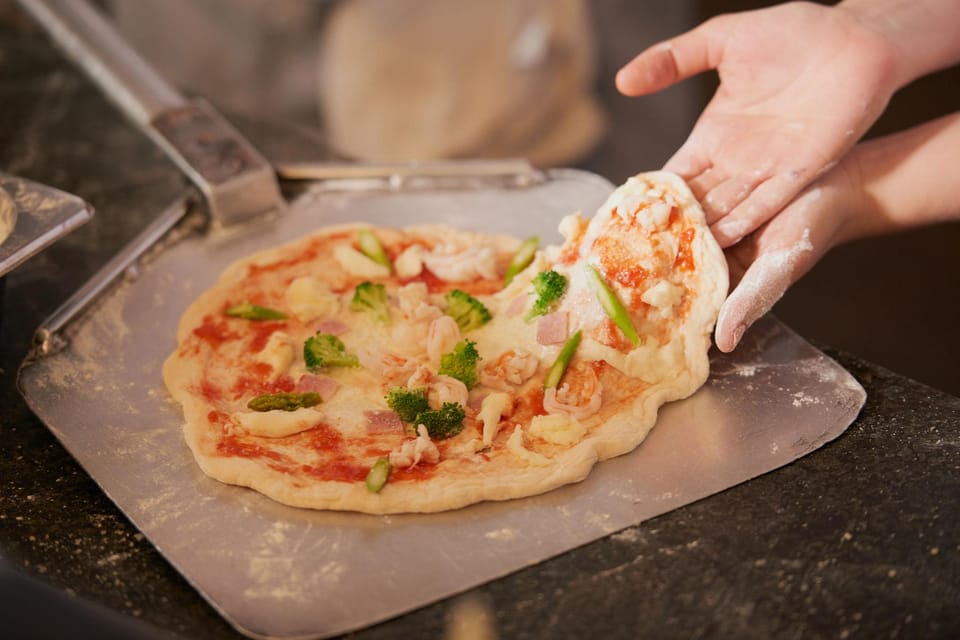
Once the dough is ready, you move into shaping and topping. Even though this is a workshop, it’s still practical cooking. You’ll build your pizza and then get it to the oven at the right time.
This is the moment where a lot of at-home attempts go off track: people rush the pizza into heat before the dough is in the best state. The class format helps because you’re following a taught sequence, and the chefs can redirect you if something is drifting.
Toppings are where your personal preference shows up, but you’ll still learn the logic behind what goes on and when. Neapolitan pizza isn’t only about the ingredients; it’s about how long the pizza spends in heat and what that does to the dough and toppings.
One small practical tip for you: plan to pay attention to timing, not just steps. If you remember one thing from the pizza portion, make it this—timing is part of the recipe, not an accessory.
During the pizza process, there can also be a short break with light snacks and drinks. In at least one class flow, that included cold water and small bites like pizza dough balls and bruschetta. Even if your session’s details vary slightly, expect a moment to catch your breath before you go back to shaping and baking.
Baking and Eating Your Pizza: The Crust Moment
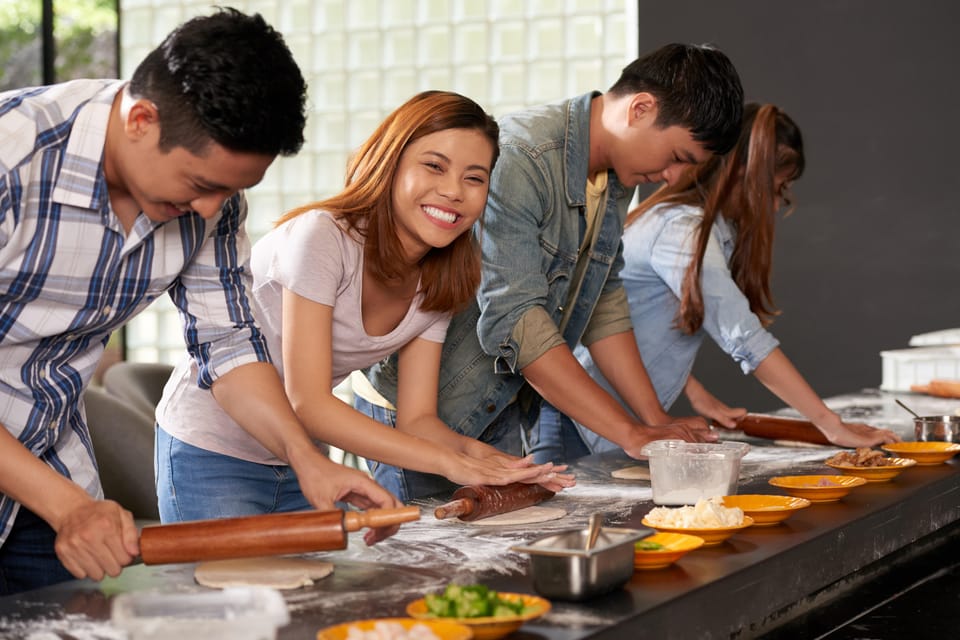
This is where the experience earns its keep. You bake using the home-style electric oven, and your pizza is cooked for you to enjoy as part of the workshop.
The key idea is learning how to get a good crust result without needing a wood-fired oven. That means you’re focusing on what the oven and pan setup can do—and how to leverage it. Using the ruoto napoletano helps in that goal, because it supports the kind of bake behavior you’re trying to recreate.
Then comes the fun part: eating what you made. When you finish with a slice that actually tastes like Naples rather than like “pizza-shaped bread,” you’re going to remember the technique. And you’ll be motivated to repeat it.
Also, the pace helps. The class is about 2–3 hours, around 2.5 hours, so you’re not spending half a day waiting for dough to feel like dough. You get guided progress, then payoff.


Tiramisu Masterclass: Mascarpone, Coffee Soaks, and Clean Assembly
If pizza is about heat and dough structure, tiramisu is about timing and texture. This workshop treats it like a true masterclass, not a quick dessert demo.
You’ll learn the full process:
- Make the silky mascarpone cream
- Soak savoiardi biscuits in coffee
- Assemble the layers step-by-step
What makes this useful for home cooking is that the steps are taught with purpose. For tiramisu, it’s not enough to know that you soak cookies. You need to know how to soak without making everything collapse into mush.
That’s why I like the step-by-step assembly coaching. Tiramisu is simple in theory, but it’s easy to get wrong in practice. Get the coffee soak right and the cream right, and suddenly the dessert tastes balanced instead of heavy.
You’ll also have the comfort of direction in the moment, so you can correct your technique as you go. That’s a huge advantage over learning from a generic video where you can’t ask, Wait, should it look like this?
Chef Coaching in English, French, Italian, or Spanish
A big reason this class scores well is the coaching style. The instruction is led by a local pizzaiolo or chef, and the class can be taught in English, French, Italian, and Spanish.
In real terms, that means you’re not stuck if you don’t speak Italian. And if you do speak some Italian, you’ll probably pick up food vocabulary while you cook.
Past chef-led sessions that include names like Gino, Claudio, Mario, and Anthony show a pattern: patience and clear explanations. That’s especially important for dough work and for tiramisu timing. Without patient guidance, these are the two areas that usually trip people up.
Also, the group setup matters. It’s small, so you get personalized attention instead of being one more person shouting questions across a kitchen island.
If you get uncomfortable cooking in front of others, take heart. The environment is structured for hands-on participation, and the class is designed to keep you moving through each step.
Price and Value: What You Get for About $14
At $14 per person, this is one of those experiences that feels like it should cost more. The value isn’t just the food. It’s the instruction plus the equipment plus the ingredients included in the price.
Here’s what’s bundled:
- Expert instruction by a local chef or pizzaiolo
- All ingredients and cooking equipment
- Your own freshly made pizza to enjoy
- Complimentary local drinks (water or soft drinks)
- A digital recipe booklet to take home
When you put it together, it’s cheaper than a restaurant meal plus a separate baking class. Even if you only use the recipes once, you’re still learning techniques that can pay off quickly.
One more value angle: you get to practice Neapolitan pizza dough in a kitchen that has the right setup. If you tried to do this solo at home, you’d spend money on ingredients, tools, and still risk wasted dough.
So the real question isn’t only whether $14 is a deal. It’s whether you want the skill transfer. If you do, this price is hard to beat.
Practical Tips Before You Go (So the Oven Time Works for You)
A few practical points will help your experience go smoothly.
First, arrive 15 minutes early. That gives you time to settle in and get oriented before cooking ramps up.
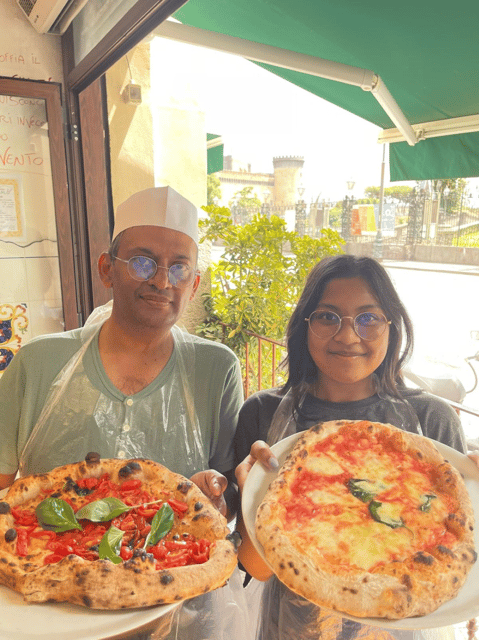
Second, bring a camera. You’ll likely want photos of the process and the final pizza and tiramisu.
Third, let the team know about food allergies or intolerances in advance. The class notes that you should advise them, and you’ll be thankful you did when you’re cooking in an ingredient-forward workshop.
Fourth, plan for a fully equipped kitchen with a home-style electric oven. Wood-fired baking is not part of the program, and this is an advantage for home replication. But it also means your results depend on execution, not magic heat.
Finally, pay attention to the actual class start time. One practical issue that has come up is a mismatch between the time shown at booking and the time the cooking started. You can’t control that perfectly, but you can protect yourself by arriving early and confirming the start time before you show up.
One last comfort note: kitchens can run warm during active cooking. In at least one described session, the work area was quite warm and could use better air conditioning. If you’re heat-sensitive, dress lightly and bring water awareness into your timing.
Who This Workshop Is Best For
This is a strong fit if you want:
- A hands-on cooking class where you actually make the food
- Authentic Neapolitan technique adapted for normal home equipment
- A practical skill you can repeat, not just a one-time meal
It’s also a good pick for couples or friends who want a shared activity with an end reward. And because it’s small group with chef coaching, beginners usually do fine—especially for dough and tiramisu, where mistakes are common.
It’s not suitable for wheelchair users, since the experience takes place in a kitchen setup that doesn’t support wheelchair access.
If you’re traveling solo, you’re still covered because the class is designed around each participant doing the work, not watching.
Should You Book This Neapolitan Pizza and Tiramisu Class at Home?
If your goal is to come back from Naples with skills you can use on a random Tuesday, I’d book it. The mix of pizza dough practice plus a full tiramisu masterclass is a lot of learning for the time, and the digital recipe booklet makes it easier to keep going after you return.
The biggest reason not to book is simple: if you’re chasing a true wood-fired experience and want that exact style only. This class is about the electric-oven path to Neapolitan-style results.
If you’re okay with that—and you want hands-on technique plus dessert confidence—this workshop is a very solid value.
FAQ
Is this pizza class taught with a wood-fired oven?
No. The workshop uses a home-style electric oven. Wood-fired oven baking is not included, and the methods are adapted for standard ovens.
How long is the workshop?
It runs about 2.5 hours (listed as 2 to 3 hours).
What languages are available?
The instructor speaks English, French, Italian, and Spanish. The experience can be bilingual.
What’s included in the price?
Expert instruction, all ingredients and cooking equipment, your freshly made pizza to enjoy, and complimentary local drinks (water or soft drinks).
Is hotel pickup included?
No, hotel pickup is not included.
What do I need to bring?
Bring a camera.
What if I have allergies or intolerances?
You should advise the provider in advance. The workshop notes that you should inform them so they can address needs.
Are pets allowed?
No, pets are not allowed.